 Torah Feed
Leviticus 22: Holy food and unblemished offerings
Laws guard the holiness of the sacred food and require every offering to be free of blemish. A priest who is impure may not eat the holy food until he has bathed and the sun has set, and only his household may eat it, not a tenant or a hired worker; a daughter who returns home widowed or divorced and childless may eat again. The defects that disqualify an animal are listed. A newborn animal stays seven days with its mother, and a mother and its young may not be slaughtered on the same day. The chapter closes with the charge not to profane God's holy name.
Updated November 14, 2026
In this chapter
- Verses 1–9Priests in impurity and the holy food
- Verses 10–16Who in a priest's household may eat
- Verses 17–25No blemished offerings
- Verses 26–30Seven days with its mother
- Verses 31–33Do not profane My holy name
Leviticus 22 in Hebrew and English
The Hebrew with full nikud beside the JPS 1917 English, both in the public domain. The summary, headings and notes on this page are Torah Feed's own.
Priests in impurity and the holy food (Verses 1–9)
1וַיְדַבֵּר יְהוָה אֶל־מֹשֶׁה לֵּאמֹר׃
And the LORD spoke unto Moses, saying:
2דַּבֵּר אֶל־אַהֲרֹן וְאֶל־בָּנָיו וְיִנָּזְרוּ מִקָּדְשֵׁי בְנֵי־יִשְׂרָאֵל וְלֹא יְחַלְּלוּ אֶת־שֵׁם קָדְשִׁי אֲשֶׁר הֵם מַקְדִּשִׁים לִי אֲנִי יְהוָה׃
Speak unto Aaron and to his sons, that they separate themselves from the holy things of the children of Israel, which they hallow unto Me, and that they profane not My holy name: I am the LORD.
Rashi on verse 2
וינזרו THAT THEY KEEP AWAY [FROM THE HOLY THINGS etc.]: The term נזר always denotes “keeping aloof". Similarly it is said (Ezekiel 14:7) "and he separates himself (וינזר) from following Me”; (Isaiah 1:4) "They are gone away (נזורו) backward”. The meaning of this verse therefore is: they (the priests) shall keep aloof from the holy things during the time of their uncleanness (Sifra, Emor, Section 4 1).
Rashi has 70 more comments on Leviticus 22. Torah Feed shows them beside each verse, in Hebrew and English.
Get the app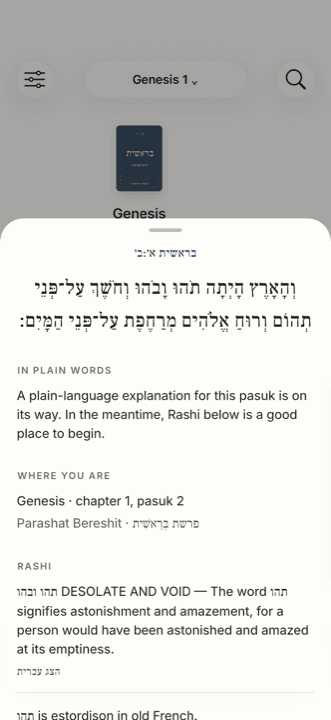
3אֱמֹר אֲלֵהֶם לְדֹרֹתֵיכֶם כָּל־אִישׁ אֲשֶׁר־יִקְרַב מִכָּל־זַרְעֲכֶם אֶל־הַקֳּדָשִׁים אֲשֶׁר יַקְדִּישׁוּ בְנֵי־יִשְׂרָאֵל לַיהוָה וְטֻמְאָתוֹ עָלָיו וְנִכְרְתָה הַנֶּפֶשׁ הַהִוא מִלְּפָנַי אֲנִי יְהוָה׃
Say unto them: Whosoever he be of all your seed throughout your generations, that approacheth unto the holy things, which the children of Israel hallow unto the LORD, having his uncleanness upon him, that soul shall be cut off from before Me: I am the LORD.
4אִישׁ אִישׁ מִזֶּרַע אַהֲרֹן וְהוּא צָרוּעַ אוֹ זָב בַּקֳּדָשִׁים לֹא יֹאכַל עַד אֲשֶׁר יִטְהָר וְהַנֹּגֵעַ בְּכָל־טְמֵא־נֶפֶשׁ אוֹ אִישׁ אֲשֶׁר־תֵּצֵא מִמֶּנּוּ שִׁכְבַת־זָרַע׃
What man soever of the seed of Aaron is a leper, or hath an issue, he shall not eat of the holy things, until he be clean. And whoso toucheth any one that is unclean by the dead; or from whomsoever the flow of seed goeth out;
5אוֹ־אִישׁ אֲשֶׁר יִגַּע בְּכָל־שֶׁרֶץ אֲשֶׁר יִטְמָא־לוֹ אוֹ בְאָדָם אֲשֶׁר יִטְמָא־לוֹ לְכֹל טֻמְאָתוֹ׃
or whosoever toucheth any swarming thing, whereby he may be made unclean, or a man of whom he may take uncleanness, whatsoever uncleanness he hath;
6נֶפֶשׁ אֲשֶׁר תִּגַּע־בּוֹ וְטָמְאָה עַד־הָעָרֶב וְלֹא יֹאכַל מִן־הַקֳּדָשִׁים כִּי אִם־רָחַץ בְּשָׂרוֹ בַּמָּיִם׃
the soul that toucheth any such shall be unclean until the even, and shall not eat of the holy things, unless he bathe his flesh in water.
7וּבָא הַשֶּׁמֶשׁ וְטָהֵר וְאַחַר יֹאכַל מִן־הַקֳּדָשִׁים כִּי לַחְמוֹ הוּא׃
And when the sun is down, he shall be clean; and afterward he may eat of the holy things, because it is his bread.
8נְבֵלָה וּטְרֵפָה לֹא יֹאכַל לְטָמְאָה־בָהּ אֲנִי יְהוָה׃
That which dieth of itself, or is torn of beasts, he shall not eat to defile himself therewith: I am the LORD.
9וְשָׁמְרוּ אֶת־מִשְׁמַרְתִּי וְלֹא־יִשְׂאוּ עָלָיו חֵטְא וּמֵתוּ בוֹ כִּי יְחַלְּלֻהוּ אֲנִי יְהוָה מְקַדְּשָׁם׃
They shall therefore keep My charge, lest they bear sin for it, and die therein, if they profane it: I am the LORD who sanctify them.
Who in a priest's household may eat (Verses 10–16)
10וְכָל־זָר לֹא־יֹאכַל קֹדֶשׁ תּוֹשַׁב כֹּהֵן וְשָׂכִיר לֹא־יֹאכַל קֹדֶשׁ׃
There shall no common man eat of the holy thing; a tenant of a priest, or a hired servant, shall not eat of the holy thing.
11וְכֹהֵן כִּי־יִקְנֶה נֶפֶשׁ קִנְיַן כַּסְפּוֹ הוּא יֹאכַל בּוֹ וִילִיד בֵּיתוֹ הֵם יֹאכְלוּ בְלַחְמוֹ׃
But if a priest buy any soul, the purchase of his money, he may eat of it; and such as are born in his house, they may eat of his bread.
12וּבַת־כֹּהֵן כִּי תִהְיֶה לְאִישׁ זָר הִוא בִּתְרוּמַת הַקֳּדָשִׁים לֹא תֹאכֵל׃
And if a priest’s daughter be married unto a common man, she shall not eat of that which is set apart from the holy things.
13וּבַת־כֹּהֵן כִּי תִהְיֶה אַלְמָנָה וּגְרוּשָׁה וְזֶרַע אֵין לָהּ וְשָׁבָה אֶל־בֵּית אָבִיהָ כִּנְעוּרֶיהָ מִלֶּחֶם אָבִיהָ תֹּאכֵל וְכָל־זָר לֹא־יֹאכַל בּוֹ׃
But if a priest’s daughter be a widow, or divorced, and have no child, and is returned unto her father’s house, as in her youth, she may eat of her father’s bread; but there shall no common man eat thereof.
14וְאִישׁ כִּי־יֹאכַל קֹדֶשׁ בִּשְׁגָגָה וְיָסַף חֲמִשִׁיתוֹ עָלָיו וְנָתַן לַכֹּהֵן אֶת־הַקֹּדֶשׁ׃
And if a man eat of the holy thing through error, then he shall put the fifth part thereof unto it, and shall give unto the priest the holy thing.
15וְלֹא יְחַלְּלוּ אֶת־קָדְשֵׁי בְּנֵי יִשְׂרָאֵל אֵת אֲשֶׁר־יָרִימוּ לַיהוָה׃
And they shall not profane the holy things of the children of Israel, which they set apart unto the LORD;
16וְהִשִּׂיאוּ אוֹתָם עֲוֺן אַשְׁמָה בְּאָכְלָם אֶת־קָדְשֵׁיהֶם כִּי אֲנִי יְהוָה מְקַדְּשָׁם׃
and so cause them to bear the iniquity that bringeth guilt, when they eat their holy things; for I am the LORD who sanctify them.
No blemished offerings (Verses 17–25)
17וַיְדַבֵּר יְהוָה אֶל־מֹשֶׁה לֵּאמֹר׃
And the LORD spoke unto Moses, saying:
18דַּבֵּר אֶל־אַהֲרֹן וְאֶל־בָּנָיו וְאֶל כָּל־בְּנֵי יִשְׂרָאֵל וְאָמַרְתָּ אֲלֵהֶם אִישׁ אִישׁ מִבֵּית יִשְׂרָאֵל וּמִן־הַגֵּר בְּיִשְׂרָאֵל אֲשֶׁר יַקְרִיב קָרְבָּנוֹ לְכָל־נִדְרֵיהֶם וּלְכָל־נִדְבוֹתָם אֲשֶׁר־יַקְרִיבוּ לַיהוָה לְעֹלָה׃
Speak unto Aaron, and to his sons, and unto all the children of Israel, and say unto them: Whosoever he be of the house of Israel, or of the strangers in Israel, that bringeth his offering, whether it be any of their vows, or any of their free-will-offerings, which are brought unto the LORD for a burnt-offering;
19לִרְצֹנְכֶם תָּמִים זָכָר בַּבָּקָר בַּכְּשָׂבִים וּבָעִזִּים׃
that ye may be accepted, ye shall offer a male without blemish, of the beeves, of the sheep, or of the goats.
20כֹּל אֲשֶׁר־בּוֹ מוּם לֹא תַקְרִיבוּ כִּי־לֹא לְרָצוֹן יִהְיֶה לָכֶם׃
But whatsoever hath a blemish, that shall ye not bring; for it shall not be acceptable for you.
21וְאִישׁ כִּי־יַקְרִיב זֶבַח־שְׁלָמִים לַיהוָה לְפַלֵּא־נֶדֶר אוֹ לִנְדָבָה בַּבָּקָר אוֹ בַצֹּאן תָּמִים יִהְיֶה לְרָצוֹן כָּל־מוּם לֹא יִהְיֶה־בּוֹ׃
And whosoever bringeth a sacrifice of peace-offerings unto the LORD in fulfilment of a vow clearly uttered, or for a freewill-offering, of the herd or of the flock, it shall be perfect to be accepted; there shall be no blemish therein.
22עַוֶּרֶת אוֹ שָׁבוּר אוֹ־חָרוּץ אוֹ־יַבֶּלֶת אוֹ גָרָב אוֹ יַלֶּפֶת לֹא־תַקְרִיבוּ אֵלֶּה לַיהוָה וְאִשֶּׁה לֹא־תִתְּנוּ מֵהֶם עַל־הַמִּזְבֵּחַ לַיהוָה׃
Blind, or broken, or maimed, or having a wen, or scabbed, or scurvy, ye shall not offer these unto the LORD, nor make an offering by fire of them upon the altar unto the LORD.
23וְשׁוֹר וָשֶׂה שָׂרוּעַ וְקָלוּט נְדָבָה תַּעֲשֶׂה אֹתוֹ וּלְנֵדֶר לֹא יֵרָצֶה׃
Either a bullock or a lamb that hath any thing too long or too short, that mayest thou offer for a freewill-offering; but for a vow it shall not be accepted.
24וּמָעוּךְ וְכָתוּת וְנָתוּק וְכָרוּת לֹא תַקְרִיבוּ לַיהוָה וּבְאַרְצְכֶם לֹא תַעֲשׂוּ׃
That which hath its stones bruised, or crushed, or torn, or cut, ye shall not offer unto the LORD; neither shall ye do thus in your land.
25וּמִיַּד בֶּן־נֵכָר לֹא תַקְרִיבוּ אֶת־לֶחֶם אֱלֹהֵיכֶם מִכָּל־אֵלֶּה כִּי מָשְׁחָתָם בָּהֶם מוּם בָּם לֹא יֵרָצוּ לָכֶם׃
Neither from the hand of a foreigner shall ye offer the bread of your God of any of these, because their corruption is in them, there is a blemish in them; they shall not be accepted for you.
Seven days with its mother (Verses 26–30)
26וַיְדַבֵּר יְהוָה אֶל־מֹשֶׁה לֵּאמֹר׃
And the LORD spoke unto Moses, saying:
27שׁוֹר אוֹ־כֶשֶׂב אוֹ־עֵז כִּי יִוָּלֵד וְהָיָה שִׁבְעַת יָמִים תַּחַת אִמּוֹ וּמִיּוֹם הַשְּׁמִינִי וָהָלְאָה יֵרָצֶה לְקָרְבַּן אִשֶּׁה לַיהוָה׃
When a bullock, or a sheep, or a goat, is brought forth, then it shall be seven days under the dam; but from the eighth day and thenceforth it may be accepted for an offering made by fire unto the LORD.
28וְשׁוֹר אוֹ־שֶׂה אֹתוֹ וְאֶת־בְּנוֹ לֹא תִשְׁחֲטוּ בְּיוֹם אֶחָד׃
And whether it be cow or ewe, ye shall not kill it and its young both in one day.
29וְכִי־תִזְבְּחוּ זֶבַח־תּוֹדָה לַיהוָה לִרְצֹנְכֶם תִּזְבָּחוּ׃
And when ye sacrifice a sacrifice of thanksgiving unto the LORD, ye shall sacrifice it that ye may be accepted.
30בַּיּוֹם הַהוּא יֵאָכֵל לֹא־תוֹתִירוּ מִמֶּנּוּ עַד־בֹּקֶר אֲנִי יְהוָה׃
On the same day it shall be eaten; ye shall leave none of it until the morning: I am the LORD.
Do not profane My holy name (Verses 31–33)
31וּשְׁמַרְתֶּם מִצְוֺתַי וַעֲשִׂיתֶם אֹתָם אֲנִי יְהוָה׃
And ye shall keep My commandments, and do them: I am the LORD.
Key verse
32וְלֹא תְחַלְּלוּ אֶת־שֵׁם קָדְשִׁי וְנִקְדַּשְׁתִּי בְּתוֹךְ בְּנֵי יִשְׂרָאֵל אֲנִי יְהוָה מְקַדִּשְׁכֶם׃
And ye shall not profane My holy name; but I will be hallowed among the children of Israel: I am the LORD who hallow you,
33הַמּוֹצִיא אֶתְכֶם מֵאֶרֶץ מִצְרַיִם לִהְיוֹת לָכֶם לֵאלֹהִים אֲנִי יְהוָה׃
that brought you out of the land of Egypt, to be your God: I am the LORD.
Worth noticing
Verse 32, "I will be hallowed among the children of Israel", is the source of kiddush Hashem, the duty to sanctify God's name by one's conduct. The Talmud also learns from it that words of holiness such as the Kaddish and the Kedushah are said only with a minyan of ten.
Related reading
- Rashi's commentary on the Torah in English
- Shnayim mikra ve'echad targum: a practical guide for a busy week
- How to read the Torah in a year
- Can you learn Biblical Hebrew just by reading the Torah side by side?