 Torah Feed
Leviticus 21: The holiness of the priests
Priests are held to stricter rules of holiness in mourning, in marriage and in bodily fitness. They may not make themselves impure through contact with the dead, except for their closest relatives, nor shave their heads or gash their flesh in mourning, nor marry a divorced woman or one of ill repute. The high priest is held to more: he may not tear his clothes or approach any dead body, even of his parents, and must marry a virgin. A descendant of Aaron with a physical blemish may eat the holy food but may not offer on the altar.
Updated November 14, 2026
In this chapter
- Verses 1–6Priests and the dead
- Verses 7–9Whom a priest may marry
- Verses 10–15The high priest
- Verses 16–24Priests with a blemish
Leviticus 21 in Hebrew and English
The Hebrew with full nikud beside the JPS 1917 English, both in the public domain. The summary, headings and notes on this page are Torah Feed's own.
Priests and the dead (Verses 1–6)
1וַיֹּאמֶר יְהוָה אֶל־מֹשֶׁה אֱמֹר אֶל־הַכֹּהֲנִים בְּנֵי אַהֲרֹן וְאָמַרְתָּ אֲלֵהֶם לְנֶפֶשׁ לֹא־יִטַּמָּא בְּעַמָּיו׃
And the LORD said unto Moses: Speak unto the priests the sons of Aaron, and say unto them: There shall none defile himself for the dead among his people;
Rashi on verse 1
אמר אל הכהנים SAY UNTO THE PRIESTS [… AND THOU SHALT SAY UNTO THEM]: “Say" and again “thou shalt say unto them", this repetition is intended to admonish the adults about their children also, that they should teach them to avoid defilement (Yevamot 114a).
Rashi has 46 more comments on Leviticus 21. Torah Feed shows them beside each verse, in Hebrew and English.
Get the app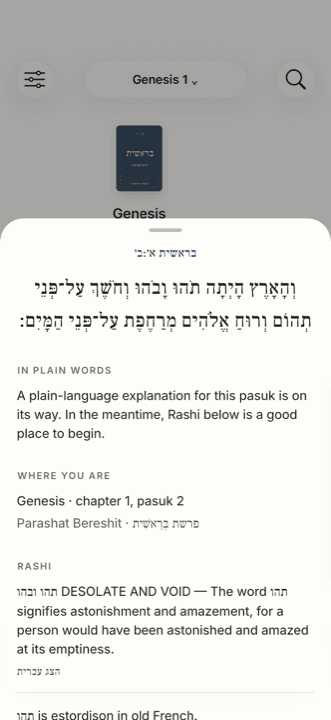
2כִּי אִם־לִשְׁאֵרוֹ הַקָּרֹב אֵלָיו לְאִמּוֹ וּלְאָבִיו וְלִבְנוֹ וּלְבִתּוֹ וּלְאָחִיו׃
except for his kin, that is near unto him, for his mother, and for his father, and for his son, and for his daughter, and for his brother;
3וְלַאֲחֹתוֹ הַבְּתוּלָה הַקְּרוֹבָה אֵלָיו אֲשֶׁר לֹא־הָיְתָה לְאִישׁ לָהּ יִטַּמָּא׃
and for his sister a virgin, that is near unto him, that hath had no husband, for her may he defile himself.
4לֹא יִטַּמָּא בַּעַל בְּעַמָּיו לְהֵחַלּוֹ׃
He shall not defile himself, being a chief man among his people, to profane himself.
5לֹא־יקרחה [יִקְרְחוּ] קָרְחָה בְּרֹאשָׁם וּפְאַת זְקָנָם לֹא יְגַלֵּחוּ וּבִבְשָׂרָם לֹא יִשְׂרְטוּ שָׂרָטֶת׃
They shall not make baldness upon their head, neither shall they shave off the corners of their beard, nor make any cuttings in their flesh.
Key verse
6קְדֹשִׁים יִהְיוּ לֵאלֹהֵיהֶם וְלֹא יְחַלְּלוּ שֵׁם אֱלֹהֵיהֶם כִּי אֶת־אִשֵּׁי יְהוָה לֶחֶם אֱלֹהֵיהֶם הֵם מַקְרִיבִם וְהָיוּ קֹדֶשׁ׃
They shall be holy unto their God, and not profane the name of their God; for the offerings of the LORD made by fire, the bread of their God, they do offer; therefore they shall be holy.
Whom a priest may marry (Verses 7–9)
7אִשָּׁה זֹנָה וַחֲלָלָה לֹא יִקָּחוּ וְאִשָּׁה גְּרוּשָׁה מֵאִישָׁהּ לֹא יִקָּחוּ כִּי־קָדֹשׁ הוּא לֵאלֹהָיו׃
They shall not take a woman that is a harlot, or profaned; neither shall they take a woman put away from her husband; for he is holy unto his God.
8וְקִדַּשְׁתּוֹ כִּי־אֶת־לֶחֶם אֱלֹהֶיךָ הוּא מַקְרִיב קָדֹשׁ יִהְיֶה־לָּךְ כִּי קָדוֹשׁ אֲנִי יְהוָה מְקַדִּשְׁכֶם׃
Thou shalt sanctify him therefore; for he offereth the bread of thy God; he shall be holy unto thee; for I the LORD, who sanctify you, am holy.
9וּבַת אִישׁ כֹּהֵן כִּי תֵחֵל לִזְנוֹת אֶת־אָבִיהָ הִיא מְחַלֶּלֶת בָּאֵשׁ תִּשָּׂרֵף׃
And the daughter of any priest, if she profane herself by playing the harlot, she profaneth her father: she shall be burnt with fire.
The high priest (Verses 10–15)
10וְהַכֹּהֵן הַגָּדוֹל מֵאֶחָיו אֲשֶׁר־יוּצַק עַל־רֹאשׁוֹ שֶׁמֶן הַמִּשְׁחָה וּמִלֵּא אֶת־יָדוֹ לִלְבֹּשׁ אֶת־הַבְּגָדִים אֶת־רֹאשׁוֹ לֹא יִפְרָע וּבְגָדָיו לֹא יִפְרֹם׃
And the priest that is highest among his brethren, upon whose head the anointing oil is poured, and that is consecrated to put on the garments, shall not let the hair of his head go loose, nor rend his clothes;
11וְעַל כָּל־נַפְשֹׁת מֵת לֹא יָבֹא לְאָבִיו וּלְאִמּוֹ לֹא יִטַּמָּא׃
neither shall he go in to any dead body, nor defile himself for his father, or for his mother;
12וּמִן־הַמִּקְדָּשׁ לֹא יֵצֵא וְלֹא יְחַלֵּל אֵת מִקְדַּשׁ אֱלֹהָיו כִּי נֵזֶר שֶׁמֶן מִשְׁחַת אֱלֹהָיו עָלָיו אֲנִי יְהוָה׃
neither shall he go out of the sanctuary, nor profane the sanctuary of his God; for the consecration of the anointing oil of his God is upon him: I am the LORD.
13וְהוּא אִשָּׁה בִבְתוּלֶיהָ יִקָּח׃
And he shall take a wife in her virginity.
14אַלְמָנָה וּגְרוּשָׁה וַחֲלָלָה זֹנָה אֶת־אֵלֶּה לֹא יִקָּח כִּי אִם־בְּתוּלָה מֵעַמָּיו יִקַּח אִשָּׁה׃
A widow, or one divorced, or a profaned woman, or a harlot, these shall he not take; but a virgin of his own people shall he take to wife.
15וְלֹא־יְחַלֵּל זַרְעוֹ בְּעַמָּיו כִּי אֲנִי יְהוָה מְקַדְּשׁוֹ׃
And he shall not profane his seed among his people; for I am the LORD who sanctify him.
Priests with a blemish (Verses 16–24)
16וַיְדַבֵּר יְהוָה אֶל־מֹשֶׁה לֵּאמֹר׃
And the LORD spoke unto Moses, saying:
17דַּבֵּר אֶל־אַהֲרֹן לֵאמֹר אִישׁ מִזַּרְעֲךָ לְדֹרֹתָם אֲשֶׁר יִהְיֶה בוֹ מוּם לֹא יִקְרַב לְהַקְרִיב לֶחֶם אֱלֹהָיו׃
Speak unto Aaron, saying: Whosoever he be of thy seed throughout their generations that hath a blemish, let him not approach to offer the bread of his God.
18כִּי כָל־אִישׁ אֲשֶׁר־בּוֹ מוּם לֹא יִקְרָב אִישׁ עִוֵּר אוֹ פִסֵּחַ אוֹ חָרֻם אוֹ שָׂרוּעַ׃
For whatsoever man he be that hath a blemish, he shall not approach: a blind man, or a lame, or he that hath any thing maimed, or anything too long,
19אוֹ אִישׁ אֲשֶׁר־יִהְיֶה בוֹ שֶׁבֶר רָגֶל אוֹ שֶׁבֶר יָד׃
or a man that is broken-footed, or broken-handed,
20אוֹ־גִבֵּן אוֹ־דַק אוֹ תְּבַלֻּל בְּעֵינוֹ אוֹ גָרָב אוֹ יַלֶּפֶת אוֹ מְרוֹחַ אָשֶׁךְ׃
or crook-backed, or a dwarf, or that hath his eye overspread, or is scabbed, or scurvy, or hath his stones crushed;
21כָּל־אִישׁ אֲשֶׁר־בּוֹ מוּם מִזֶּרַע אַהֲרֹן הַכֹּהֵן לֹא יִגַּשׁ לְהַקְרִיב אֶת־אִשֵּׁי יְהוָה מוּם בּוֹ אֵת לֶחֶם אֱלֹהָיו לֹא יִגַּשׁ לְהַקְרִיב׃
no man of the seed of Aaron the priest, that hath a blemish, shall come nigh to offer the offerings of the LORD made by fire; he hath a blemish; he shall not come nigh to offer the bread of his God.
22לֶחֶם אֱלֹהָיו מִקָּדְשֵׁי הַקֳּדָשִׁים וּמִן־הַקֳּדָשִׁים יֹאכֵל׃
He may eat the bread of his God, both of the most holy, and of the holy.
23אַךְ אֶל־הַפָּרֹכֶת לֹא יָבֹא וְאֶל־הַמִּזְבֵּחַ לֹא יִגַּשׁ כִּי־מוּם בּוֹ וְלֹא יְחַלֵּל אֶת־מִקְדָּשַׁי כִּי אֲנִי יְהוָה מְקַדְּשָׁם׃
Only he shall not go in unto the veil, nor come nigh unto the altar, because he hath a blemish; that he profane not My holy places; for I am the LORD who sanctify them.
24וַיְדַבֵּר מֹשֶׁה אֶל־אַהֲרֹן וְאֶל־בָּנָיו וְאֶל־כָּל־בְּנֵי יִשְׂרָאֵל׃
So Moses spoke unto Aaron, and to his sons, and unto all the children of Israel.
Worth noticing
To this day many kohanim, descendants of Aaron, keep these rules: they avoid funerals and cemeteries except for the close relatives named in verses 2 and 3. The chapter's reasoning is spelled out in verse 6: those who offer "the bread of their God" must be holy.
Related reading
- Rashi's commentary on the Torah in English
- Shnayim mikra ve'echad targum: a practical guide for a busy week
- How to read the Torah in a year
- Can you learn Biblical Hebrew just by reading the Torah side by side?