 Torah Feed
Psalm 75: He putteth down one, and lifteth up another
A song of thanks in which God Himself speaks, promising to judge with equity at the time He chooses. God declares that when the appointed time comes He will judge rightly, holding firm the pillars of a tottering earth. The psalmist warns the arrogant not to raise their horns or speak with a haughty neck: rising comes from no corner of the earth, for God is judge, bringing one down and raising another. In God's hand is a cup of foaming wine whose dregs the wicked must drain. The horns of the wicked will be cut off, and those of the righteous raised.
Updated November 14, 2026
- Verses
- 11
- Section
- Ketuvim
- Key verse
- Verse 8
In this chapter
- Verses 1–2We give thanks: Your name is near
- Verses 3–4God speaks: I will judge with equity
- Verses 5–8Do not lift up your horn
- Verses 9–11The cup in God's hand
Psalm 75 in Hebrew and English
The Hebrew with full nikud beside the JPS 1917 English, both in the public domain. The summary, headings and notes on this page are Torah Feed's own.
We give thanks: Your name is near (Verses 1–2)
1לַמְנַצֵּחַ אַל־תַּשְׁחֵת מִזְמוֹר לְאָסָף שִׁיר׃
For the Leader; Al-tashheth. A Psalm of Asaph, a Song.
2הוֹדִינוּ לְּךָ אֱלֹהִים הוֹדִינוּ וְקָרוֹב שְׁמֶךָ סִפְּרוּ נִפְלְאוֹתֶיךָ׃
We give thanks unto Thee, O God, We give thanks, and Thy name is near; Men tell of Thy wondrous works.
God speaks: I will judge with equity (Verses 3–4)
3כִּי אֶקַּח מוֹעֵד אֲנִי מֵישָׁרִים אֶשְׁפֹּט׃
'When I take the appointed time, I Myself will judge with equity.
Read Psalm 75 one verse per screen and keep your place in Torah Feed.
Get the app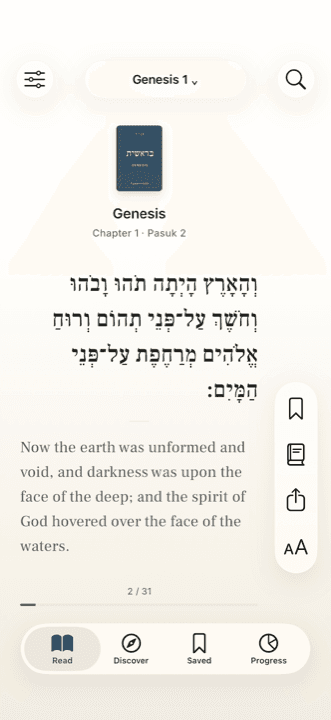
4נְמֹגִים אֶרֶץ וְכָל־יֹשְׁבֶיהָ אָנֹכִי תִכַּנְתִּי עַמּוּדֶיהָ סֶּלָה׃
When the earth and all the inhabitants thereof are dissolved, I Myself establish the pillars of it.' Selah
Do not lift up your horn (Verses 5–8)
5אָמַרְתִּי לַהוֹלְלִים אַל־תָּהֹלּוּ וְלָרְשָׁעִים אַל־תָּרִימוּ קָרֶן׃
I say unto the arrogant 'Deal not arrogantly'; And to the wicked 'Lift not up the horn.'
6אַל־תָּרִימוּ לַמָּרוֹם קַרְנְכֶם תְּדַבְּרוּ בְצַוָּאר עָתָק׃
Lift not up your horn on high; Speak not insolence with a haughty neck.
7כִּי לֹא מִמּוֹצָא וּמִמַּעֲרָב וְלֹא מִמִּדְבַּר הָרִים׃
For neither from the east, nor from the west, Nor yet from the wilderness, cometh lifting up.
Key verse
8כִּי־אֱלֹהִים שֹׁפֵט זֶה יַשְׁפִּיל וְזֶה יָרִים׃
For God is judge; He putteth down one, and lifteth up another.
The cup in God's hand (Verses 9–11)
9כִּי כוֹס בְּיַד־יְהוָה וְיַיִן חָמַר מָלֵא מֶסֶךְ וַיַּגֵּר מִזֶּה אַךְ־שְׁמָרֶיהָ יִמְצוּ יִשְׁתּוּ כֹּל רִשְׁעֵי־אָרֶץ׃
For in the hand of the LORD there is a cup, with foaming wine, full of mixture, And He poureth out of the same; Surely the dregs thereof, all the wicked of the earth shall drain them, and drink them.
10וַאֲנִי אַגִּיד לְעֹלָם אֲזַמְּרָה לֵאלֹהֵי יַעֲקֹב׃
But as for me, I will declare for ever, I will sing praises to the God of Jacob.
11וְכָל־קַרְנֵי רְשָׁעִים אֲגַדֵּעַ תְּרוֹמַמְנָה קַרְנוֹת צַדִּיק׃
All the horns of the wicked also will I cut off; But the horns of the righteous shall be lifted up.
Worth noticing
The horn, a symbol of strength and pride, runs through the psalm, and the last verse promises that the horns of the righteous "shall be lifted up." The psalm shares two ideas with Hannah's prayer in 1 Samuel 2: God brings low and lifts up, and He will "exalt the horn of His anointed."
Related reading
- Tehillim for beginners: how to start saying Psalms every day
- Can you learn Biblical Hebrew just by reading the Torah side by side?
- What is the Tanakh? Torah, Nevi'im and Ketuvim explained