 Torah Feed
Ecclesiastes 6: Wealth without the power to enjoy it
Kohelet describes a grievous evil: a person given riches and honor by God but not the ability to enjoy them, so that a stranger consumes them instead. Even a man with a hundred children and many years, if his soul is never satisfied and he has no burial, is worse off than a stillborn child, which at least finds rest. All labor is for the mouth, yet the appetite is never filled. Better what the eyes can see than the wandering of desire. Who knows what is good for a person in a life that passes like a shadow?
Updated November 14, 2026
- Verses
- 12
- Section
- Ketuvim
- Key verse
- Verse 7
In this chapter
- Verses 1–2Riches without enjoyment
- Verses 3–6Better off a stillborn child
- Verses 7–9The appetite is never filled
- Verses 10–12Who knows what is good for man
Ecclesiastes 6 in Hebrew and English
The Hebrew with full nikud beside the JPS 1917 English, both in the public domain. The summary, headings and notes on this page are Torah Feed's own.
Riches without enjoyment (Verses 1–2)
1יֵשׁ רָעָה אֲשֶׁר רָאִיתִי תַּחַת הַשָּׁמֶשׁ וְרַבָּה הִיא עַל־הָאָדָם׃
There is an evil which I have seen under the sun, and it is heavy upon men:
2אִישׁ אֲשֶׁר יִתֶּן־לוֹ הָאֱלֹהִים עֹשֶׁר וּנְכָסִים וְכָבוֹד וְאֵינֶנּוּ חָסֵר לְנַפְשׁוֹ מִכֹּל אֲשֶׁר־יִתְאַוֶּה וְלֹא־יַשְׁלִיטֶנּוּ הָאֱלֹהִים לֶאֱכֹל מִמֶּנּוּ כִּי אִישׁ נָכְרִי יֹאכֲלֶנּוּ זֶה הֶבֶל וָחֳלִי רָע הוּא׃
a man to whom God giveth riches, wealth, and honour, so that he wanteth nothing for his soul of all that he desireth, yet God giveth him not power to eat thereof, but a stranger eateth it; this is vanity, and it is an evil disease.
Better off a stillborn child (Verses 3–6)
3אִם־יוֹלִיד אִישׁ מֵאָה וְשָׁנִים רַבּוֹת יִחְיֶה וְרַב שֶׁיִּהְיוּ יְמֵי־שָׁנָיו וְנַפְשׁוֹ לֹא־תִשְׂבַּע מִן־הַטּוֹבָה וְגַם־קְבוּרָה לֹא־הָיְתָה לּוֹ אָמַרְתִּי טוֹב מִמֶּנּוּ הַנָּפֶל׃
If a man beget a hundred children, and live many years, so that the days of his years are many, but his soul have not enough of good, and moreover he have no burial; I say, that an untimely birth is better than he;
Read Ecclesiastes 6 one verse per screen and keep your place in Torah Feed.
Get the app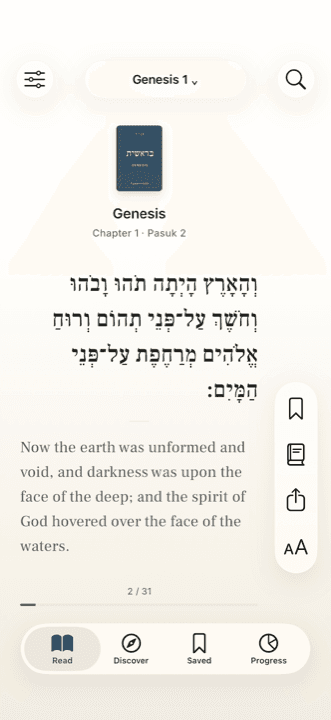
4כִּי־בַהֶבֶל בָּא וּבַחֹשֶׁךְ יֵלֵךְ וּבַחֹשֶׁךְ שְׁמוֹ יְכֻסֶּה׃
for it cometh in vanity, and departeth in darkness, and the name thereof is covered with darkness;
5גַּם־שֶׁמֶשׁ לֹא־רָאָה וְלֹא יָדָע נַחַת לָזֶה מִזֶּה׃
moreover it hath not seen the sun nor known it; this hath gratification rather than the other;
6וְאִלּוּ חָיָה אֶלֶף שָׁנִים פַּעֲמַיִם וְטוֹבָה לֹא רָאָה הֲלֹא אֶל־מָקוֹם אֶחָד הַכֹּל הוֹלֵךְ׃
yea, though he live a thousand years twice told, and enjoy no good; do not all go to one place?
The appetite is never filled (Verses 7–9)
Key verse
7כָּל־עֲמַל הָאָדָם לְפִיהוּ וְגַם־הַנֶּפֶשׁ לֹא תִמָּלֵא׃
All the labour of man is for his mouth, And yet the appetite is not filled.
8כִּי מַה־יּוֹתֵר לֶחָכָם מִן־הַכְּסִיל מַה־לֶּעָנִי יוֹדֵעַ לַהֲלֹךְ נֶגֶד הַחַיִּים׃
For what advantage hath the wise more than the fool? or the poor man that hath understanding, in walking before the living?
9טוֹב מַרְאֵה עֵינַיִם מֵהֲלָךְ־נָפֶשׁ גַּם־זֶה הֶבֶל וּרְעוּת רוּחַ׃
Better is the seeing of the eyes than the wandering of the desire; this also is vanity and a striving after wind.
Who knows what is good for man (Verses 10–12)
10מַה־שֶּׁהָיָה כְּבָר נִקְרָא שְׁמוֹ וְנוֹדָע אֲשֶׁר־הוּא אָדָם וְלֹא־יוּכַל לָדִין עִם שהתקיף [שֶׁתַּקִּיף] מִמֶּנּוּ׃
Whatsoever cometh into being, the name thereof was given long ago, and it is foreknown what man is; neither can he contend with Him that is mightier than he.
11כִּי יֵשׁ־דְּבָרִים הַרְבֵּה מַרְבִּים הָבֶל מַה־יֹּתֵר לָאָדָם׃
Seeing there are many words that increase vanity, what is man the better?
12כִּי מִי־יוֹדֵעַ מַה־טּוֹב לָאָדָם בַּחַיִּים מִסְפַּר יְמֵי־חַיֵּי הֶבְלוֹ וְיַעֲשֵׂם כַּצֵּל אֲשֶׁר מִי־יַגִּיד לָאָדָם מַה־יִּהְיֶה אַחֲרָיו תַּחַת הַשָּׁמֶשׁ׃
For who knoweth what is good for man in his life, all the days of his vain life which he spendeth as a shadow? for who can tell a man what shall be after him under the sun?
Worth noticing
Kohelet's diagnosis in verse 7, "the appetite is not filled", anticipates the saying of Ben Zoma in Pirkei Avot: who is rich? The one who rejoices in his portion. Verse 9 puts it in Kohelet's own terms: better what the eyes can see than the endless wandering of desire.
Related reading
- Can you learn Biblical Hebrew just by reading the Torah side by side?
- What is the Tanakh? Torah, Nevi'im and Ketuvim explained