 Torah Feed
Ecclesiastes 5: Vows before God and the vanity of riches
Kohelet urges restraint in speech before God and shows how wealth fails to satisfy. God is in heaven and you on earth, so let your words be few; if you make a vow, pay it, for it is better not to vow than to vow and not pay. Do not be surprised by injustice in the state, where one official watches over another. "He that loveth silver shall not be satisfied with silver"; the laborer sleeps sweetly while the rich lie awake. Riches can vanish, and we leave as naked as we came. Enjoy your portion, the gift of God.
Updated November 14, 2026
- Verses
- 19
- Section
- Ketuvim
- Key verse
- Verse 9
In this chapter
- Verses 1–2Let your words be few
- Verses 3–6Pay what you vow
- Verses 7–8Injustice in the state
- Verses 9–16The lover of silver is never satisfied
- Verses 17–19Enjoy your portion
Ecclesiastes 5 in Hebrew and English
The Hebrew with full nikud beside the JPS 1917 English, both in the public domain. The summary, headings and notes on this page are Torah Feed's own.
Let your words be few (Verses 1–2)
1אַל־תְּבַהֵל עַל־פִּיךָ וְלִבְּךָ אַל־יְמַהֵר לְהוֹצִיא דָבָר לִפְנֵי הָאֱלֹהִים כִּי הָאֱלֹהִים בַּשָּׁמַיִם וְאַתָּה עַל־הָאָרֶץ עַל־כֵּן יִהְיוּ דְבָרֶיךָ מְעַטִּים׃
Be not rash with thy mouth, and let not thy heart be hasty to utter a word before God; for God is in heaven, and thou upon earth; therefore let thy words be few.
2כִּי בָּא הַחֲלוֹם בְּרֹב עִנְיָן וְקוֹל כְּסִיל בְּרֹב דְּבָרִים׃
For a dream cometh through a multitude of business; And a fool’s voice through a multitude of words.
Pay what you vow (Verses 3–6)
3כַּאֲשֶׁר תִּדֹּר נֶדֶר לֵאלֹהִים אַל־תְּאַחֵר לְשַׁלְּמוֹ כִּי אֵין חֵפֶץ בַּכְּסִילִים אֵת אֲשֶׁר־תִּדֹּר שַׁלֵּם׃
When thou vowest a vow unto God, defer not to pay it; for He hath no pleasure in fools; pay that which thou vowest.
Read Ecclesiastes 5 one verse per screen and keep your place in Torah Feed.
Get the app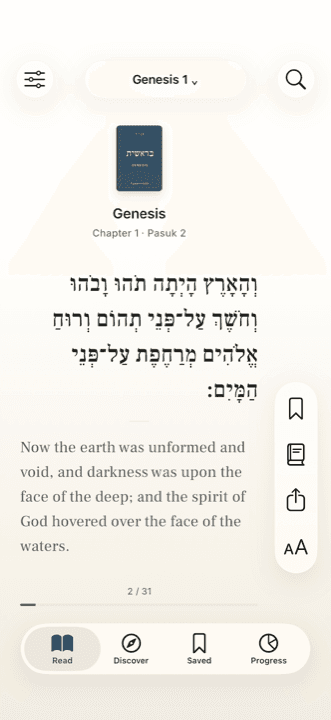
4טוֹב אֲשֶׁר לֹא־תִדֹּר מִשֶׁתִּדּוֹר וְלֹא תְשַׁלֵּם׃
Better is it that thou shouldest not vow, than that thou shouldest vow and not pay.
5אַל־תִּתֵּן אֶת־פִּיךָ לַחֲטִיא אֶת־בְּשָׂרֶךָ וְאַל־תֹּאמַר לִפְנֵי הַמַּלְאָךְ כִּי שְׁגָגָה הִיא לָמָּה יִקְצֹף הָאֱלֹהִים עַל־קוֹלֶךָ וְחִבֵּל אֶת־מַעֲשֵׂה יָדֶיךָ׃
Suffer not thy mouth to bring thy flesh into guilt, neither say thou before the messenger, that it was an error; wherefore should God be angry at thy voice, and destroy the work of thy hands?
6כִּי בְרֹב חֲלֹמוֹת וַהֲבָלִים וּדְבָרִים הַרְבֵּה כִּי אֶת־הָאֱלֹהִים יְרָא׃
For through the multitude of dreams and vanities there are also many words; but fear thou God.
Injustice in the state (Verses 7–8)
7אִם־עֹשֶׁק רָשׁ וְגֵזֶל מִשְׁפָּט וָצֶדֶק תִּרְאֶה בַמְּדִינָה אַל־תִּתְמַהּ עַל־הַחֵפֶץ כִּי גָבֹהַּ מֵעַל גָּבֹהַ שֹׁמֵר וּגְבֹהִים עֲלֵיהֶם׃
If thou seest the oppression of the poor, and the violent perverting of justice and righteousness in the state, marvel not at the matter; for one higher than the high watcheth, and there are higher than they.
8וְיִתְרוֹן אֶרֶץ בַּכֹּל היא [הוּא] מֶלֶךְ לְשָׂדֶה נֶעֱבָד׃
But the profit of a land every way is a king that maketh himself servant to the field.
The lover of silver is never satisfied (Verses 9–16)
Key verse
9אֹהֵב כֶּסֶף לֹא־יִשְׂבַּע כֶּסֶף וּמִי־אֹהֵב בֶּהָמוֹן לֹא תְבוּאָה גַּם־זֶה הָבֶל׃
He that loveth silver shall not be satisfied with silver; nor he that loveth abundance, with increase; this also is vanity.
10בִּרְבוֹת הַטּוֹבָה רַבּוּ אוֹכְלֶיהָ וּמַה־כִּשְׁרוֹן לִבְעָלֶיהָ כִּי אִם־ראית [רְאוּת] עֵינָיו׃
When goods increase, they are increased that eat them; and what advantage is there to the owner thereof, saving the beholding of them with his eyes?
11מְתוּקָה שְׁנַת הָעֹבֵד אִם־מְעַט וְאִם־הַרְבֵּה יֹאכֵל וְהַשָּׂבָע לֶעָשִׁיר אֵינֶנּוּ מַנִּיחַ לוֹ לִישׁוֹן׃
Sweet is the sleep of a labouring man, whether he eat little or much; but the satiety of the rich will not suffer him to sleep.
12יֵשׁ רָעָה חוֹלָה רָאִיתִי תַּחַת הַשָּׁמֶשׁ עֹשֶׁר שָׁמוּר לִבְעָלָיו לְרָעָתוֹ׃
There is a grievous evil which I have seen under the sun, namely, riches kept by the owner thereof to his hurt;
13וְאָבַד הָעֹשֶׁר הַהוּא בְּעִנְיַן רָע וְהוֹלִיד בֵּן וְאֵין בְּיָדוֹ מְאוּמָה׃
and those riches perish by evil adventure; and if he hath begotten a son, there is nothing in his hand.
14כַּאֲשֶׁר יָצָא מִבֶּטֶן אִמּוֹ עָרוֹם יָשׁוּב לָלֶכֶת כְּשֶׁבָּא וּמְאוּמָה לֹא־יִשָּׂא בַעֲמָלוֹ שֶׁיֹּלֵךְ בְּיָדוֹ׃
As he came forth of his mother’s womb, naked shall he go back as he came, and shall take nothing for his labour, which he may carry away in his hand.
15וְגַם־זֹה רָעָה חוֹלָה כָּל־עֻמַּת שֶׁבָּא כֵּן יֵלֵךְ וּמַה־יִּתְרוֹן לוֹ שֶׁיַּעֲמֹל לָרוּחַ׃
And this also is a grievous evil, that in all points as he came, so shall he go; and what profit hath he that he laboureth for the wind?
16גַּם כָּל־יָמָיו בַּחֹשֶׁךְ יֹאכֵל וְכָעַס הַרְבֵּה וְחָלְיוֹ וָקָצֶף׃
All his days also he eateth in darkness, and he hath much vexation and sickness and wrath..
Enjoy your portion (Verses 17–19)
17הִנֵּה אֲשֶׁר־רָאִיתִי אָנִי טוֹב אֲשֶׁר־יָפֶה לֶאֶכוֹל־וְלִשְׁתּוֹת וְלִרְאוֹת טוֹבָה בְּכָל־עֲמָלוֹ שֶׁיַּעֲמֹל תַּחַת־הַשֶּׁמֶשׁ מִסְפַּר יְמֵי־חיו [חַיָּיו] אֲשֶׁר־נָתַן־לוֹ הָאֱלֹהִים כִּי־הוּא חֶלְקוֹ׃
Behold that which I have seen: it is good, yea, it is comely for one to eat and to drink, and to enjoy pleasure for all his labour, wherein he laboureth under the sun, all the days of his life which God hath given him; for this is his portion.
18גַּם כָּל־הָאָדָם אֲשֶׁר נָתַן־לוֹ הָאֱלֹהִים עֹשֶׁר וּנְכָסִים וְהִשְׁלִיטוֹ לֶאֱכֹל מִמֶּנּוּ וְלָשֵׂאת אֶת־חֶלְקוֹ וְלִשְׂמֹחַ בַּעֲמָלוֹ זֹה מַתַּת אֱלֹהִים הִיא׃
Every man also to whom God hath given riches and wealth, and hath given him power to eat thereof, and to take his portion, and to rejoice in his labour, this is the gift of God.
19כִּי לֹא הַרְבֵּה יִזְכֹּר אֶת־יְמֵי חַיָּיו כִּי הָאֱלֹהִים מַעֲנֶה בְּשִׂמְחַת לִבּוֹ׃
For let him remember the days of his life that they are not many; for God answereth him in the joy of his heart.
Worth noticing
Verse 14 echoes Job's words in his first grief: "Naked came I out of my mother's womb, And naked shall I return thither." Job says it as he blesses God; Kohelet draws a lesson about wealth from it. Since no one can carry anything away, enjoy what you have while you have it.
Related reading
- Can you learn Biblical Hebrew just by reading the Torah side by side?
- What is the Tanakh? Torah, Nevi'im and Ketuvim explained