 Torah Feed
Ecclesiastes 10: Dead flies and the folly of fools
A collection of proverbs weighs the damage a little folly can do against the everyday advantage of wisdom. Dead flies spoil the perfumer's oil, and a little folly outweighs wisdom and honor. Stay calm before an angry ruler. Kohelet has seen fools set on high and servants on horseback while princes walk. Whoever digs a pit may fall into it; a sharpened blade saves strength. A wise man's words win favor, but a fool's talk swallows him up. Woe to a land whose king is a boy. Do not curse the king even in thought: a bird may carry the word.
Updated November 14, 2026
- Verses
- 20
- Section
- Ketuvim
- Key verse
- Verse 1
In this chapter
- Verses 1–3A little folly outweighs wisdom
- Verses 4–7Rulers, and a world turned upside down
- Verses 8–11The risks of every task
- Verses 12–15The words of the wise and of fools
- Verses 16–20Kings, idleness and a bird of the air
Ecclesiastes 10 in Hebrew and English
The Hebrew with full nikud beside the JPS 1917 English, both in the public domain. The summary, headings and notes on this page are Torah Feed's own.
A little folly outweighs wisdom (Verses 1–3)
Key verse
1זְבוּבֵי מָוֶת יַבְאִישׁ יַבִּיעַ שֶׁמֶן רוֹקֵחַ יָקָר מֵחָכְמָה מִכָּבוֹד סִכְלוּת מְעָט׃
Dead flies make the ointment of the perfumer fetid and putrid; So doth a little folly outweigh wisdom and honour.
2לֵב חָכָם לִימִינוֹ וְלֵב כְּסִיל לִשְׂמֹאלוֹ׃
A wise man’s understanding is at his right hand; but a fool’s understanding at his left.
3וְגַם־בַּדֶּרֶךְ כשהסכל [כְּשֶׁסָּכָל] הֹלֵךְ לִבּוֹ חָסֵר וְאָמַר לַכֹּל סָכָל הוּא׃
Yea also, when a fool walketh by the way, his understanding faileth him, and he saith to every one that he is a fool.
Read Ecclesiastes 10 one verse per screen and keep your place in Torah Feed.
Get the app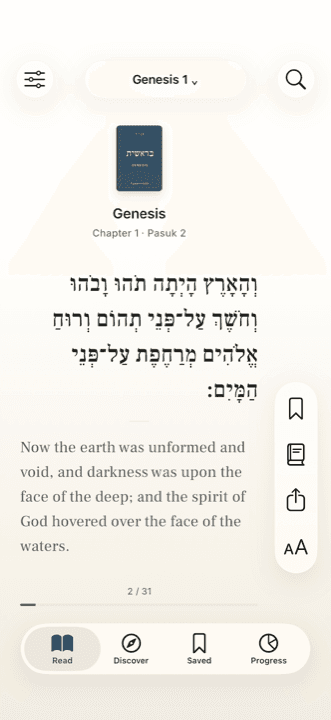
Rulers, and a world turned upside down (Verses 4–7)
4אִם־רוּחַ הַמּוֹשֵׁל תַּעֲלֶה עָלֶיךָ מְקוֹמְךָ אַל־תַּנַּח כִּי מַרְפֵּא יַנִּיחַ חֲטָאִים גְּדוֹלִים׃
If the spirit of the ruler rise up against thee, leave not thy place; for gentleness allayeth great offences.
5יֵשׁ רָעָה רָאִיתִי תַּחַת הַשָּׁמֶשׁ כִּשְׁגָגָה שֶׁיֹּצָא מִלִּפְנֵי הַשַּׁלִּיט׃
There is an evil which I have seen under the sun, like an error which proceedeth from a ruler:
6נִתַּן הַסֶּכֶל בַּמְּרוֹמִים רַבִּים וַעֲשִׁירִים בַּשֵּׁפֶל יֵשֵׁבוּ׃
Folly is set on great heights, and the rich sit in low place.
7רָאִיתִי עֲבָדִים עַל־סוּסִים וְשָׂרִים הֹלְכִים כַּעֲבָדִים עַל־הָאָרֶץ׃
I have seen servants upon horses, and princes walking as servants upon the earth.
The risks of every task (Verses 8–11)
8חֹפֵר גּוּמָּץ בּוֹ יִפּוֹל וּפֹרֵץ גָּדֵר יִשְּׁכֶנּוּ נָחָשׁ׃
He that diggeth a pit shall fall into it; and whoso breaketh through a fence, a serpent shall bite him.
9מַסִּיעַ אֲבָנִים יֵעָצֵב בָּהֶם בּוֹקֵעַ עֵצִים יִסָּכֶן בָּם׃
Whoso quarrieth stones shall be hurt therewith; and he that cleaveth wood is endangered thereby.
10אִם־קֵהָה הַבַּרְזֶל וְהוּא לֹא־פָנִים קִלְקַל וַחֲיָלִים יְגַבֵּר וְיִתְרוֹן הכשיר [הַכְשֵׁר] חָכְמָה׃
If the iron be blunt, and one do not whet the edge, then must he put to more strength; but wisdom is profitable to direct.
11אִם־יִשֹּׁךְ הַנָּחָשׁ בְּלוֹא־לָחַשׁ וְאֵין יִתְרוֹן לְבַעַל הַלָּשׁוֹן׃
If the serpent bite before it is charmed, then the charmer hath no advantage.
The words of the wise and of fools (Verses 12–15)
12דִּבְרֵי פִי־חָכָם חֵן וְשִׂפְתוֹת כְּסִיל תְּבַלְּעֶנּוּ׃
The words of a wise man’s mouth are gracious; but the lips of a fool will swallow up himself.
13תְּחִלַּת דִּבְרֵי־פִיהוּ סִכְלוּת וְאַחֲרִית פִּיהוּ הוֹלֵלוּת רָעָה׃
The beginning of the words of his mouth is foolishness; and the end of his talk is grievous madness.
14וְהַסָּכָל יַרְבֶּה דְבָרִים לֹא־יֵדַע הָאָדָם מַה־שֶׁיִּהְיֶה וַאֲשֶׁר יִהְיֶה מֵאַחֲרָיו מִי יַגִּיד לוֹ׃
A fool also multiplieth words; yet man knoweth not what shall be; And that which shall be after him, Who can tell him?
15עֲמַל הַכְּסִילִים תְּיַגְּעֶנּוּ אֲשֶׁר לֹא־יָדַע לָלֶכֶת אֶל־עִיר׃
The labour of fools wearieth every one of them, for he knoweth not how to go to the city.
Kings, idleness and a bird of the air (Verses 16–20)
16אִי־לָךְ אֶרֶץ שֶׁמַּלְכֵּךְ נָעַר וְשָׂרַיִךְ בַּבֹּקֶר יֹאכֵלוּ׃
Woe to thee, O land, when thy king is a boy, And thy princes feast in the morning!.
17אַשְׁרֵיךְ אֶרֶץ שֶׁמַּלְכֵּךְ בֶּן־חוֹרִים וְשָׂרַיִךְ בָּעֵת יֹאכֵלוּ בִּגְבוּרָה וְלֹא בַשְּׁתִי׃
Happy art thou, O land, when thy king is a free man, And thy princes eat in due season, In strength, and not in drunkenness!
18בַּעֲצַלְתַּיִם יִמַּךְ הַמְּקָרֶה וּבְשִׁפְלוּת יָדַיִם יִדְלֹף הַבָּיִת׃
By slothfulness the rafters sink in; And through idleness of the hands the house leaketh.
19לִשְׂחוֹק עֹשִׂים לֶחֶם וְיַיִן יְשַׂמַּח חַיִּים וְהַכֶּסֶף יַעֲנֶה אֶת־הַכֹּל׃
A feast is made for laughter, And wine maketh glad the life; And money answereth all things.
20גַּם בְּמַדָּעֲךָ מֶלֶךְ אַל־תְּקַלֵּל וּבְחַדְרֵי מִשְׁכָּבְךָ אַל־תְּקַלֵּל עָשִׁיר כִּי עוֹף הַשָּׁמַיִם יוֹלִיךְ אֶת־הַקּוֹל וּבַעַל הכנפים [כְּנָפַיִם] יַגֵּיד דָּבָר׃
Curse not the king, no, not in thy thought, And curse not the rich in thy bedchamber; For a bird of the air shall carry the voice, And that which hath wings shall tell the matter.
Worth noticing
"He that diggeth a pit shall fall into it" appears almost word for word in Proverbs 26: "Whoso diggeth a pit shall fall therein." In Kohelet, though, it stands among everyday hazards, quarrying stone, splitting wood, a snake in the wall. The point is less about punishment than about the risks every task carries, and the wisdom needed to handle them.
Related reading
- Can you learn Biblical Hebrew just by reading the Torah side by side?
- What is the Tanakh? Torah, Nevi'im and Ketuvim explained