 Torah Feed
Ecclesiastes 11: Cast your bread upon the waters
Kohelet urges bold generosity and the enjoyment of life in the face of an uncertain future. Cast your bread upon the waters, for you will find it after many days; give a share to seven, even to eight, since no one knows what misfortune may come. Whoever waits for the perfect wind will never sow, and whoever watches the clouds will never reap: sow morning and evening, for you cannot know which will prosper. Light is sweet, so rejoice in all your years. Rejoice, young man, in your youth, but know that God will judge.
Updated November 14, 2026
- Verses
- 10
- Section
- Ketuvim
- Key verse
- Verse 1
In this chapter
- Verses 1–2Cast your bread upon the waters
- Verses 3–6Sow without waiting for the wind
- Verses 7–8Light is sweet
- Verses 9–10Rejoice, young man, in your youth
Ecclesiastes 11 in Hebrew and English
The Hebrew with full nikud beside the JPS 1917 English, both in the public domain. The summary, headings and notes on this page are Torah Feed's own.
Cast your bread upon the waters (Verses 1–2)
Key verse
1שַׁלַּח לַחְמְךָ עַל־פְּנֵי הַמָּיִם כִּי־בְרֹב הַיָּמִים תִּמְצָאֶנּוּ׃
Cast thy bread upon the waters, For thou shalt find it after many days.
2תֶּן־חֵלֶק לְשִׁבְעָה וְגַם לִשְׁמוֹנָה כִּי לֹא תֵדַע מַה־יִּהְיֶה רָעָה עַל־הָאָרֶץ׃
Divide a portion into seven, yea, even into eight; For thou knowest not what evil shall be upon the earth.
Sow without waiting for the wind (Verses 3–6)
3אִם־יִמָּלְאוּ הֶעָבִים גֶּשֶׁם עַל־הָאָרֶץ יָרִיקוּ וְאִם־יִפּוֹל עֵץ בַּדָּרוֹם וְאִם בַּצָּפוֹן מְקוֹם שֶׁיִּפּוֹל הָעֵץ שָׁם יְהוּא׃
If the clouds be full of rain, They empty themselves upon the earth; And if a tree fall in the south, or in the north, In the place where the tree falleth, there shall it be.
Read Ecclesiastes 11 one verse per screen and keep your place in Torah Feed.
Get the app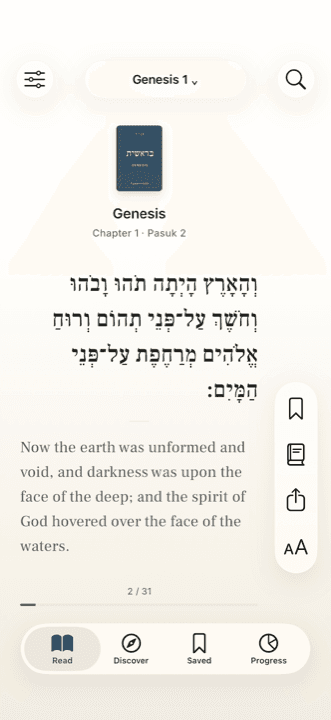
4שֹׁמֵר רוּחַ לֹא יִזְרָע וְרֹאֶה בֶעָבִים לֹא יִקְצוֹר׃
He that observeth the wind shall not sow; And he that regardeth the clouds shall not reap.
5כַּאֲשֶׁר אֵינְךָ יוֹדֵעַ מַה־דֶּרֶךְ הָרוּחַ כַּעֲצָמִים בְּבֶטֶן הַמְּלֵאָה כָּכָה לֹא תֵדַע אֶת־מַעֲשֵׂה הָאֱלֹהִים אֲשֶׁר יַעֲשֶׂה אֶת־הַכֹּל׃
As thou knowest not what is the way of the wind, Nor how the bones do grow in the womb of her that is with child; Even so thou knowest not the work of God Who doeth all things.
6בַּבֹּקֶר זְרַע אֶת־זַרְעֶךָ וְלָעֶרֶב אַל־תַּנַּח יָדֶךָ כִּי אֵינְךָ יוֹדֵע אֵי זֶה יִכְשָׁר הֲזֶה אוֹ־זֶה וְאִם־שְׁנֵיהֶם כְּאֶחָד טוֹבִים׃
In the morning sow thy seed, And in the evening withhold not thy hand; For thou knowest not which shall prosper, whether this or that, Or whether they both shall be alike good.
Light is sweet (Verses 7–8)
7וּמָתוֹק הָאוֹר וְטוֹב לַעֵינַיִם לִרְאוֹת אֶת־הַשָּׁמֶשׁ׃
And the light is sweet, And a pleasant thing it is for the eyes to behold the sun.
8כִּי אִם־שָׁנִים הַרְבֵּה יִחְיֶה הָאָדָם בְּכֻלָּם יִשְׂמָח וְיִזְכֹּר אֶת־יְמֵי הַחֹשֶׁךְ כִּי־הַרְבֵּה יִהְיוּ כָּל־שֶׁבָּא הָבֶל׃
For if a man live many years, Let him rejoice in them all, And remember the days of darkness, For they shall be many. All that cometh is vanity.
Rejoice, young man, in your youth (Verses 9–10)
9שְׂמַח בָּחוּר בְּיַלְדוּתֶיךָ וִיטִיבְךָ לִבְּךָ בִּימֵי בְחוּרוֹתֶךָ וְהַלֵּךְ בְּדַרְכֵי לִבְּךָ וּבְמַרְאֵי עֵינֶיךָ וְדָע כִּי עַל־כָּל־אֵלֶּה יְבִיאֲךָ הָאֱלֹהִים בַּמִּשְׁפָּט׃
Rejoice, O young man, in thy youth; And let thy heart cheer thee in the days of thy youth, And walk in the ways of thy heart, And in the sight of thine eyes; But know thou, that for all these things God will bring thee into judgment.
10וְהָסֵר כַּעַס מִלִּבֶּךָ וְהַעֲבֵר רָעָה מִבְּשָׂרֶךָ כִּי־הַיַּלְדוּת וְהַשַּׁחֲרוּת הָבֶל׃
Therefore remove vexation from thy heart, And put away evil from thy flesh; For childhood and youth are vanity.
Worth noticing
Verse 1, "Cast thy bread upon the waters, For thou shalt find it after many days", is most often read in Jewish tradition as a teaching about charity: give even where no return seems possible. The Midrash on Kohelet illustrates it with stories of kindnesses that came back to the giver years later.
Related reading
- Can you learn Biblical Hebrew just by reading the Torah side by side?
- What is the Tanakh? Torah, Nevi'im and Ketuvim explained