 Torah Feed
Deuteronomy 24: Divorce, pledges and the forgotten sheaf
A man who divorces his wife writes her a bill of divorcement, and may not remarry her once she has married another. A new husband is free from army service for a year to bring joy to his wife. A millstone may not be taken in pledge, and kidnapping is a capital crime. Israel must remember what happened to Miriam. A lender may not enter a borrower's house for a pledge and must return a poor man's cloak by nightfall. A poor worker is paid the same day. Each person dies for his own sin. The forgotten sheaf, the last olives and grapes belong to the stranger, the orphan and the widow.
Updated November 14, 2026
- Verses
- 22
- Parasha
- Ki Teitzei
- Key verse
- Verse 15
In this chapter
- Verses 1–4Divorce and remarriage
- Verse 5A year of joy for a new wife
- Verses 6–7The millstone and the kidnapper
- Verses 8–9Remember Miriam
- Verses 10–13Pledges from the poor
- Verses 14–15Wages on the same day
- Verses 16–18Each for his own sin
- Verses 19–22The forgotten sheaf
Deuteronomy 24 in Hebrew and English
The Hebrew with full nikud beside the JPS 1917 English, both in the public domain. The summary, headings and notes on this page are Torah Feed's own.
Divorce and remarriage (Verses 1–4)
1כִּי־יִקַּח אִישׁ אִשָּׁה וּבְעָלָהּ וְהָיָה אִם־לֹא תִמְצָא־חֵן בְּעֵינָיו כִּי־מָצָא בָהּ עֶרְוַת דָּבָר וְכָתַב לָהּ סֵפֶר כְּרִיתֻת וְנָתַן בְּיָדָהּ וְשִׁלְּחָהּ מִבֵּיתוֹ׃
When a man taketh a wife, and marrieth her, then it cometh to pass, if she find no favour in his eyes, because he hath found some unseemly thing in her, that he writeth her a bill of divorcement, and giveth it in her hand, and sendeth her out of his house,
Rashi on verse 1
כי מצא בה ערות דבר [WHEN A MAN HATH TAKEN A WIFE, AND MARRIED HER, AND IT COMES TO PASS THAT SHE FINDS NO FAVOUR IN HIS EYES.] BECAUSE HE HATH FOUND SOME SCANDALOUS THING IN HER; [THEN LET HIM WRITE A BILL OF DIVORCEMENT … AND SEND HER AWAY …]: it is his duty to divorce her because she should not find favour in his eyes (cf. Gittin 90b).
Rashi has 42 more comments on Deuteronomy 24. Torah Feed shows them beside each verse, in Hebrew and English.
Get the app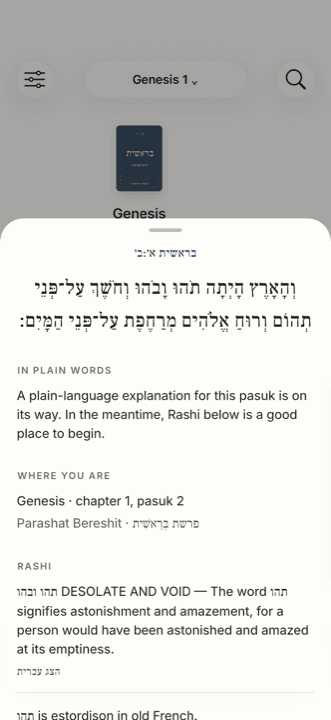
2וְיָצְאָה מִבֵּיתוֹ וְהָלְכָה וְהָיְתָה לְאִישׁ־אַחֵר׃
and she departeth out of his house, and goeth and becometh another man’s wife,
3וּשְׂנֵאָהּ הָאִישׁ הָאַחֲרוֹן וְכָתַב לָהּ סֵפֶר כְּרִיתֻת וְנָתַן בְּיָדָהּ וְשִׁלְּחָהּ מִבֵּיתוֹ אוֹ כִי יָמוּת הָאִישׁ הָאַחֲרוֹן אֲשֶׁר־לְקָחָהּ לוֹ לְאִשָּׁה׃
and the latter husband hateth her, and writeth her a bill of divorcement, and giveth it in her hand, and sendeth her out of his house; or if the latter husband die, who took her to be his wife;
4לֹא־יוּכַל בַּעְלָהּ הָרִאשׁוֹן אֲשֶׁר־שִׁלְּחָהּ לָשׁוּב לְקַחְתָּהּ לִהְיוֹת לוֹ לְאִשָּׁה אַחֲרֵי אֲשֶׁר הֻטַּמָּאָה כִּי־תוֹעֵבָה הִוא לִפְנֵי יְהוָה וְלֹא תַחֲטִיא אֶת־הָאָרֶץ אֲשֶׁר יְהוָה אֱלֹהֶיךָ נֹתֵן לְךָ נַחֲלָה׃
her former husband, who sent her away, may not take her again to be his wife, after that she is defiled; for that is abomination before the LORD; and thou shalt not cause the land to sin, which the LORD thy God giveth thee for an inheritance.
A year of joy for a new wife (Verse 5)
5כִּי־יִקַּח אִישׁ אִשָּׁה חֲדָשָׁה לֹא יֵצֵא בַּצָּבָא וְלֹא־יַעֲבֹר עָלָיו לְכָל־דָּבָר נָקִי יִהְיֶה לְבֵיתוֹ שָׁנָה אֶחָת וְשִׂמַּח אֶת־אִשְׁתּוֹ אֲשֶׁר־לָקָח׃
When a man taketh a new wife, he shall not go out in the host, neither shall he be charged with any business; he shall be free for his house one year, and shall cheer his wife whom he hath taken.
The millstone and the kidnapper (Verses 6–7)
6לֹא־יַחֲבֹל רֵחַיִם וָרָכֶב כִּי־נֶפֶשׁ הוּא חֹבֵל׃
No man shall take the mill or the upper millstone to pledge; for he taketh a man’s life to pledge.
7כִּי־יִמָּצֵא אִישׁ גֹּנֵב נֶפֶשׁ מֵאֶחָיו מִבְּנֵי יִשְׂרָאֵל וְהִתְעַמֶּר־בּוֹ וּמְכָרוֹ וּמֵת הַגַּנָּב הַהוּא וּבִעַרְתָּ הָרָע מִקִּרְבֶּךָ׃
If a man be found stealing any of his brethren of the children of Israel, and he deal with him as a slave, and sell him; then that thief shall die; so shalt thou put away the evil from the midst of thee.
Remember Miriam (Verses 8–9)
8הִשָּׁמֶר בְּנֶגַע־הַצָּרַעַת לִשְׁמֹר מְאֹד וְלַעֲשׂוֹת כְּכֹל אֲשֶׁר־יוֹרוּ אֶתְכֶם הַכֹּהֲנִים הַלְוִיִּם כַּאֲשֶׁר צִוִּיתִם תִּשְׁמְרוּ לַעֲשׂוֹת׃
Take heed in the plague of leprosy, that thou observe diligently, and do according to all that the priests the Levites shall teach you, as I commanded them, so ye shall observe to do.
9זָכוֹר אֵת אֲשֶׁר־עָשָׂה יְהוָה אֱלֹהֶיךָ לְמִרְיָם בַּדֶּרֶךְ בְּצֵאתְכֶם מִמִּצְרָיִם׃
Remember what the LORD thy God did unto Miriam, by the way as ye came forth out of Egypt.
Pledges from the poor (Verses 10–13)
10כִּי־תַשֶּׁה בְרֵעֲךָ מַשַּׁאת מְאוּמָה לֹא־תָבֹא אֶל־בֵּיתוֹ לַעֲבֹט עֲבֹטוֹ׃
When thou dost lend thy neighbour any manner of loan, thou shalt not go into his house to fetch his pledge.
11בַּחוּץ תַּעֲמֹד וְהָאִישׁ אֲשֶׁר אַתָּה נֹשֶׁה בוֹ יוֹצִיא אֵלֶיךָ אֶת־הַעֲבוֹט הַחוּצָה׃
Thou shalt stand without, and the man to whom thou dost lend shall bring forth the pledge without unto thee.
12וְאִם־אִישׁ עָנִי הוּא לֹא תִשְׁכַּב בַּעֲבֹטוֹ׃
And if he be a poor man, thou shalt not sleep with his pledge;
13הָשֵׁב תָּשִׁיב לוֹ אֶת־הַעֲבוֹט כְּבֹא הַשֶּׁמֶשׁ וְשָׁכַב בְּשַׂלְמָתוֹ וּבֵרֲכֶךָּ וּלְךָ תִּהְיֶה צְדָקָה לִפְנֵי יְהוָה אֱלֹהֶיךָ׃
thou shalt surely restore to him the pledge when the sun goeth down, that he may sleep in his garment, and bless thee; and it shall be righteousness unto thee before the LORD thy God.
Wages on the same day (Verses 14–15)
14לֹא־תַעֲשֹׁק שָׂכִיר עָנִי וְאֶבְיוֹן מֵאַחֶיךָ אוֹ מִגֵּרְךָ אֲשֶׁר בְּאַרְצְךָ בִּשְׁעָרֶיךָ׃
Thou shalt not oppress a hired servant that is poor and needy, whether he be of thy brethren, or of thy strangers that are in thy land within thy gates.
Key verse
15בְּיוֹמוֹ תִתֵּן שְׂכָרוֹ וְלֹא־תָבוֹא עָלָיו הַשֶּׁמֶשׁ כִּי עָנִי הוּא וְאֵלָיו הוּא נֹשֵׂא אֶת־נַפְשׁוֹ וְלֹא־יִקְרָא עָלֶיךָ אֶל־יְהוָה וְהָיָה בְךָ חֵטְא׃
In the same day thou shalt give him his hire, neither shall the sun go down upon it; for he is poor, and setteth his heart upon it: lest he cry against thee unto the LORD and it be sin in thee.
Each for his own sin (Verses 16–18)
16לֹא־יוּמְתוּ אָבוֹת עַל־בָּנִים וּבָנִים לֹא־יוּמְתוּ עַל־אָבוֹת אִיש בְּחֶטְאוֹ יוּמָתוּ׃
The fathers shall not be put to death for the children, neither shall the children be put to death for the fathers; every man shall be put to death for his own sin.
17לֹא תַטֶּה מִשְׁפַּט גֵּר יָתוֹם וְלֹא תַחֲבֹל בֶּגֶד אַלְמָנָה׃
Thou shalt not pervert the justice due to the stranger, or to the fatherless; nor take the widow’s raiment to pledge.
18וְזָכַרְתָּ כִּי עֶבֶד הָיִיתָ בְּמִצְרַיִם וַיִּפְדְּךָ יְהוָה אֱלֹהֶיךָ מִשָּׁם עַל־כֵּן אָנֹכִי מְצַוְּךָ לַעֲשׂוֹת אֶת־הַדָּבָר הַזֶּה׃
But thou shalt remember that thou wast a bondman in Egypt, and the LORD thy God redeemed thee thence; therefore I command thee to do this thing.
The forgotten sheaf (Verses 19–22)
19כִּי תִקְצֹר קְצִירְךָ בְשָׂדֶךָ וְשָׁכַחְתָּ עֹמֶר בַּשָּׂדֶה לֹא תָשׁוּב לְקַחְתּוֹ לַגֵּר לַיָּתוֹם וְלָאַלְמָנָה יִהְיֶה לְמַעַן יְבָרֶכְךָ יְהוָה אֱלֹהֶיךָ בְּכֹל מַעֲשֵׂה יָדֶיךָ׃
When thou reapest thy harvest in thy field, and hast forgot a sheaf in the field, thou shalt not go back to fetch it; it shall be for the stranger, for the fatherless, and for the widow; that the LORD thy God may bless thee in all the work of thy hands.
20כִּי תַחְבֹּט זֵיתְךָ לֹא תְפָאֵר אַחֲרֶיךָ לַגֵּר לַיָּתוֹם וְלָאַלְמָנָה יִהְיֶה׃
When thou beatest thine olive-tree, thou shalt not go over the boughs again; it shall be for the stranger, for the fatherless, and for the widow.
21כִּי תִבְצֹר כַּרְמְךָ לֹא תְעוֹלֵל אַחֲרֶיךָ לַגֵּר לַיָּתוֹם וְלָאַלְמָנָה יִהְיֶה׃
When thou gatherest the grapes of thy vineyard, thou shalt not glean it after thee; it shall be for the stranger, for the fatherless, and for the widow.
22וְזָכַרְתָּ כִּי־עֶבֶד הָיִיתָ בְּאֶרֶץ מִצְרָיִם עַל־כֵּן אָנֹכִי מְצַוְּךָ לַעֲשׂוֹת אֶת־הַדָּבָר הַזֶּה׃
And thou shalt remember that thou wast a bondman in the land of Egypt; therefore I command thee to do this thing.
Worth noticing
Verse 1 is the Torah's source for the get, the Jewish bill of divorce. Of the forgotten sheaf, Rashi notes that God blesses even a good deed done without intending it: if a coin falls from your hand and a poor person finds it, you are blessed for it.
Related reading
- Rashi's commentary on the Torah in English
- Shnayim mikra ve'echad targum: a practical guide for a busy week
- How to read the Torah in a year
- Can you learn Biblical Hebrew just by reading the Torah side by side?