 Torah Feed
Deuteronomy 23: The assembly, the camp and the runaway slave
The chapter sets out who may join the assembly, keeps the camp holy, and gives laws on refuge, interest and vows. Ammonites and Moabites may not enter, because they withheld bread and water and hired Balaam, but an Edomite is a brother and an Egyptian must not be abhorred, and their grandchildren may enter. The army camp must be kept clean, for God walks in its midst. An escaped slave who takes refuge with Israel must not be handed back. Sacred prostitution is banned, as is lending at interest to a brother. Vows must be kept, and a passer-by may eat from a neighbour's vineyard or field but not carry anything away.
Updated November 14, 2026
- Verses
- 26
- Parasha
- Ki Teitzei
- Key verse
- Verse 8
In this chapter
- Verses 1–9Who may enter the assembly
- Verses 10–15A holy camp
- Verses 16–17The escaped slave
- Verses 18–19No sacred prostitution
- Verses 20–21No interest from a brother
- Verses 22–24Keep your vows
- Verses 25–26In a neighbour's vineyard and field
Deuteronomy 23 in Hebrew and English
The Hebrew with full nikud beside the JPS 1917 English, both in the public domain. The summary, headings and notes on this page are Torah Feed's own.
Who may enter the assembly (Verses 1–9)
1לֹא־יִקַּח אִישׁ אֶת־אֵשֶׁת אָבִיו וְלֹא יְגַלֶּה כְּנַף אָבִיו׃
A man shall not take his father’s wife, and shall not uncover his father’s skirt.
Rashi on verse 1
לא יקח: This does not mean “he shall not take” but “he cannot take” his father’s wife: there can be no question of a legal marriage for him in regard to her, because the marriage ceremony (קדושין) has no legal hold on her (cannot make her his wife: it is no marriage) (Kiddushin 67b; cf. Rashi on Kiddushin 67b s. v. לא יקח)
Rashi has 36 more comments on Deuteronomy 23. Torah Feed shows them beside each verse, in Hebrew and English.
Get the app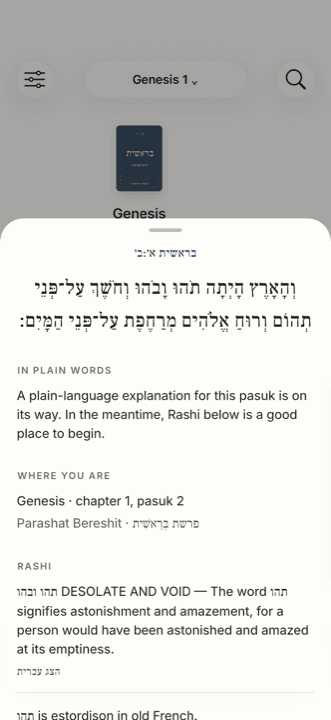
2לֹא־יָבֹא פְצוּעַ־דַּכָּא וּכְרוּת שָׁפְכָה בִּקְהַל יְהוָה׃
He that is crushed or maimed in his privy parts shall not enter into the assembly of the LORD.
3לֹא־יָבֹא מַמְזֵר בִּקְהַל יְהוָה גַּם דּוֹר עֲשִׂירִי לֹא־יָבֹא לוֹ בִּקְהַל יְהוָה׃
A bastard shall not enter into the assembly of the LORD; even to the tenth generation shall none of his enter into the assembly of the LORD.
4לֹא־יָבֹא עַמּוֹנִי וּמוֹאָבִי בִּקְהַל יְהוָה גַּם דּוֹר עֲשִׂירִי לֹא־יָבֹא לָהֶם בִּקְהַל יְהוָה עַד־עוֹלָם׃
An Ammonite or a Moabite shall not enter into the assembly of the LORD; even to the tenth generation shall none of them enter into the assembly of the LORD for ever;
5עַל־דְּבַר אֲשֶׁר לֹא־קִדְּמוּ אֶתְכֶם בַּלֶּחֶם וּבַמַּיִם בַּדֶּרֶךְ בְּצֵאתְכֶם מִמִּצְרָיִם וַאֲשֶׁר שָׂכַר עָלֶיךָ אֶת־בִּלְעָם בֶּן־בְּעוֹר מִפְּתוֹר אֲרַם נַהֲרַיִם לְקַלְלֶךָּ׃
because they met you not with bread and with water in the way, when ye came forth out of Egypt; and because they hired against thee Balaam the son of Beor from Pethor of Aram-naharaim, to curse thee.
6וְלֹא־אָבָה יְהוָה אֱלֹהֶיךָ לִשְׁמֹעַ אֶל־בִּלְעָם וַיַּהֲפֹךְ יְהוָה אֱלֹהֶיךָ לְּךָ אֶת־הַקְּלָלָה לִבְרָכָה כִּי אֲהֵבְךָ יְהוָה אֱלֹהֶיךָ׃
Nevertheless the LORD thy God would not hearken unto Balaam; but the LORD thy God turned the curse into a blessing unto thee, because the LORD thy God loved thee.
7לֹא־תִדְרֹשׁ שְׁלֹמָם וְטֹבָתָם כָּל־יָמֶיךָ לְעוֹלָם׃
Thou shalt not seek their peace nor their prosperity all thy days for ever.
Key verse
8לֹא־תְתַעֵב אֲדֹמִי כִּי אָחִיךָ הוּא לֹא־תְתַעֵב מִצְרִי כִּי־גֵר הָיִיתָ בְאַרְצוֹ׃
Thou shalt not abhor an Edomite, for he is thy brother; thou shalt not abhor an Egyptian, because thou wast a stranger in his land.
9בָּנִים אֲשֶׁר־יִוָּלְדוּ לָהֶם דּוֹר שְׁלִישִׁי יָבֹא לָהֶם בִּקְהַל יְהוָה׃
The children of the third generation that are born unto them may enter into the assembly of the LORD.
A holy camp (Verses 10–15)
10כִּי־תֵצֵא מַחֲנֶה עַל־אֹיְבֶיךָ וְנִשְׁמַרְתָּ מִכֹּל דָּבָר רָע׃
When thou goest forth in camp against thine enemies, then thou shalt keep thee from every evil thing.
11כִּי־יִהְיֶה בְךָ אִישׁ אֲשֶׁר לֹא־יִהְיֶה טָהוֹר מִקְּרֵה־לָיְלָה וְיָצָא אֶל־מִחוּץ לַמַּחֲנֶה לֹא יָבֹא אֶל־תּוֹךְ הַמַּחֲנֶה׃
If there be among you any man, that is not clean by reason of that which chanceth him by night, then shall he go abroad out of the camp, he shall not come within the camp.
12וְהָיָה לִפְנוֹת־עֶרֶב יִרְחַץ בַּמָּיִם וּכְבֹא הַשֶּׁמֶשׁ יָבֹא אֶל־תּוֹךְ הַמַּחֲנֶה׃
But it shall be, when evening cometh on, he shall bathe himself in water; and when the sun is down, he may come within the camp.
13וְיָד תִּהְיֶה לְךָ מִחוּץ לַמַּחֲנֶה וְיָצָאתָ שָׁמָּה חוּץ׃
Thou shalt have a place also without the camp, whither thou shalt go forth abroad.
14וְיָתֵד תִּהְיֶה לְךָ עַל־אֲזֵנֶךָ וְהָיָה בְּשִׁבְתְּךָ חוּץ וְחָפַרְתָּה בָהּ וְשַׁבְתָּ וְכִסִּיתָ אֶת־צֵאָתֶךָ׃
And thou shalt have a paddle among thy weapons; and it shall be, when thou sittest down abroad, thou shalt dig therewith, and shalt turn back and cover that which cometh from thee.
15כִּי יְהוָה אֱלֹהֶיךָ מִתְהַלֵּךְ בְּקֶרֶב מַחֲנֶךָ לְהַצִּילְךָ וְלָתֵת אֹיְבֶיךָ לְפָנֶיךָ וְהָיָה מַחֲנֶיךָ קָדוֹשׁ וְלֹא־יִרְאֶה בְךָ עֶרְוַת דָּבָר וְשָׁב מֵאַחֲרֶיךָ׃
For the LORD thy God walketh in the midst of thy camp, to deliver thee, and to give up thine enemies before thee; therefore shall thy camp be holy; that He see no unseemly thing in thee, and turn away from thee.
The escaped slave (Verses 16–17)
16לֹא־תַסְגִּיר עֶבֶד אֶל־אֲדֹנָיו אֲשֶׁר־יִנָּצֵל אֵלֶיךָ מֵעִם אֲדֹנָיו׃
Thou shalt not deliver unto his master a bondman that is escaped from his master unto thee;
17עִמְּךָ יֵשֵׁב בְּקִרְבְּךָ בַּמָּקוֹם אֲשֶׁר־יִבְחַר בְּאַחַד שְׁעָרֶיךָ בַּטּוֹב לוֹ לֹא תּוֹנֶנּוּ׃
he shall dwell with thee, in the midst of thee, in the place which he shall choose within one of thy gates, where it liketh him best; thou shalt not wrong him.
No sacred prostitution (Verses 18–19)
18לֹא־תִהְיֶה קְדֵשָׁה מִבְּנוֹת יִשְׂרָאֵל וְלֹא־יִהְיֶה קָדֵשׁ מִבְּנֵי יִשְׂרָאֵל׃
There shall be no harlot of the daughters of Israel, neither shall there be a sodomite of the sons of Israel.
19לֹא־תָבִיא אֶתְנַן זוֹנָה וּמְחִיר כֶּלֶב בֵּית יְהוָה אֱלֹהֶיךָ לְכָל־נֶדֶר כִּי תוֹעֲבַת יְהוָה אֱלֹהֶיךָ גַּם־שְׁנֵיהֶם׃
Thou shalt not bring the hire of a harlot, or the price of a dog, into the house of the LORD thy God for any vow; for even both these are an abomination unto the LORD thy God..
No interest from a brother (Verses 20–21)
20לֹא־תַשִּׁיךְ לְאָחִיךָ נֶשֶׁךְ כֶּסֶף נֶשֶׁךְ אֹכֶל נֶשֶׁךְ כָּל־דָּבָר אֲשֶׁר יִשָּׁךְ׃
Thou shalt not lend upon interest to thy brother: interest of money, interest of victuals, interest of any thing that is lent upon interest.
21לַנָּכְרִי תַשִּׁיךְ וּלְאָחִיךָ לֹא תַשִּׁיךְ לְמַעַן יְבָרֶכְךָ יְהוָה אֱלֹהֶיךָ בְּכֹל מִשְׁלַח יָדֶךָ עַל־הָאָרֶץ אֲשֶׁר־אַתָּה בָא־שָׁמָּה לְרִשְׁתָּהּ׃
Unto a foreigner thou mayest lend upon interest; but unto thy brother thou shalt not lend upon interest; that the LORD thy God may bless thee in all that thou puttest thy hand unto, in the land whither thou goest in to possess it.
Keep your vows (Verses 22–24)
22כִּי־תִדֹּר נֶדֶר לַיהוָה אֱלֹהֶיךָ לֹא תְאַחֵר לְשַׁלְּמוֹ כִּי־דָּרֹשׁ יִדְרְשֶׁנּוּ יְהוָה אֱלֹהֶיךָ מֵעִמָּךְ וְהָיָה בְךָ חֵטְא׃
When thou shalt vow a vow unto the LORD thy God, thou shalt not be slack to pay it; for the LORD thy God will surely require it of thee; and it will be sin in thee.
23וְכִי תֶחְדַּל לִנְדֹּר לֹא־יִהְיֶה בְךָ חֵטְא׃
But if thou shalt forbear to vow, it shall be no sin in thee.
24מוֹצָא שְׂפָתֶיךָ תִּשְׁמֹר וְעָשִׂיתָ כַּאֲשֶׁר נָדַרְתָּ לַיהוָה אֱלֹהֶיךָ נְדָבָה אֲשֶׁר דִּבַּרְתָּ בְּפִיךָ׃
That which is gone out of thy lips thou shalt observe and do; according as thou hast vowed freely unto the LORD thy God, even that which thou hast promised with thy mouth.
In a neighbour's vineyard and field (Verses 25–26)
25כִּי תָבֹא בְּכֶרֶם רֵעֶךָ וְאָכַלְתָּ עֲנָבִים כְּנַפְשְׁךָ שָׂבְעֶךָ וְאֶל־כֶּלְיְךָ לֹא תִתֵּן׃
When thou comest into thy neighbour’s vineyard, then thou mayest eat grapes until thou have enough at thine own pleasure; but thou shalt not put any in thy vessel.
26כִּי תָבֹא בְּקָמַת רֵעֶךָ וְקָטַפְתָּ מְלִילֹת בְּיָדֶךָ וְחֶרְמֵשׁ לֹא תָנִיף עַל קָמַת רֵעֶךָ׃
When thou comest into thy neighbour’s standing corn, then thou mayest pluck ears with thy hand; but thou shalt not move a sickle unto thy neighbour’s standing corn.
Worth noticing
The Sages read verse 4 as "a Moabite" and not a Moabite woman, since only the men were expected to come out with bread and water; this is how Ruth the Moabite could join Israel. Verse 8 is striking too: Israel must not abhor the Egyptian, "because thou wast a stranger in his land."
Related reading
- Rashi's commentary on the Torah in English
- Shnayim mikra ve'echad targum: a practical guide for a busy week
- How to read the Torah in a year
- Can you learn Biblical Hebrew just by reading the Torah side by side?