 Torah Feed
Numbers 30: The binding force of vows
Moses passes on all of God's commands about the festival offerings, then speaks to the heads of the tribes about vows. A man who vows or swears must keep his word. A young woman in her father's house is bound by her vow unless her father objects on the day he hears it, and a married woman's vow stands unless her husband objects on the day he hears it; if he cancels it later, he bears her guilt. The vow of a widow or a divorced woman stands.
Updated November 14, 2026
- Verses
- 17
- Key verse
- Verse 3
In this chapter
- Verse 1Moses passes on the commands
- Verses 2–3Do not break your word
- Verses 4–6A daughter's vows
- Verses 7–10Vows brought into marriage
- Verses 11–17A wife's vows
Numbers 30 in Hebrew and English
The Hebrew with full nikud beside the JPS 1917 English, both in the public domain. The summary, headings and notes on this page are Torah Feed's own.
Moses passes on the commands (Verse 1)
1וַיֹּאמֶר מֹשֶׁה אֶל־בְּנֵי יִשְׂרָאֵל כְּכֹל אֲשֶׁר־צִוָּה יְהוָה אֶת־מֹשֶׁה׃
And Moses told the children of Israel according to all that the LORD commanded Moses.
Rashi on verse 1
ויאמר משה אל בני ישראל AND MOSES TOLD THE CHILDREN OF ISRAEL: This is stated to separate this subject (of sacrifies) from the following (vows). Such is the opinion of R. Ishmael. What it means is: since up to now we have the words of the Omnipresent to Moses (Numbers 28:1 2: “And the Lord said to Moses, ‘Command the children of Israel, etc.’ ”) and the chapter about vows that follows begins with an utterance of …
Rashi has 18 more comments on Numbers 30. Torah Feed shows them beside each verse, in Hebrew and English.
Get the app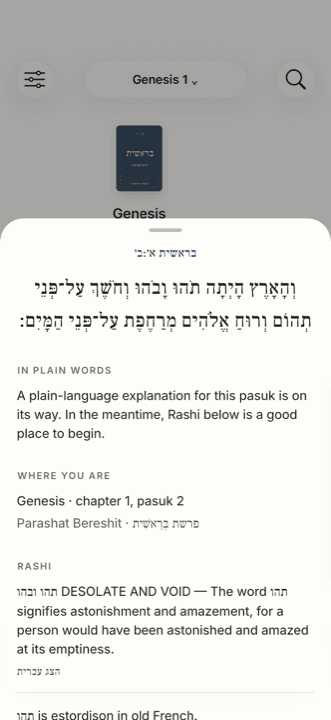
Do not break your word (Verses 2–3)
2וַיְדַבֵּר מֹשֶׁה אֶל־רָאשֵׁי הַמַּטּוֹת לִבְנֵי יִשְׂרָאֵל לֵאמֹר זֶה הַדָּבָר אֲשֶׁר צִוָּה יְהוָה׃
And Moses spoke unto the heads of the tribes of the children of Israel, saying: This is the thing which the LORD hath commanded.
Key verse
3אִישׁ כִּי־יִדֹּר נֶדֶר לַיהוָה אוֹ־הִשָּׁבַע שְׁבֻעָה לֶאְסֹר אִסָּר עַל־נַפְשׁוֹ לֹא יַחֵל דְּבָרוֹ כְּכָל־הַיֹּצֵא מִפִּיו יַעֲשֶׂה׃
When a man voweth a vow unto the LORD, or sweareth an oath to bind his soul with a bond, he shall not break his word; he shall do according to all that proceedeth out of his mouth.
A daughter's vows (Verses 4–6)
4וְאִשָּׁה כִּי־תִדֹּר נֶדֶר לַיהוָה וְאָסְרָה אִסָּר בְּבֵית אָבִיהָ בִּנְעֻרֶיהָ׃
Also when a woman voweth a vow unto the LORD, and bindeth herself by a bond, being in her father’s house, in her youth,
5וְשָׁמַע אָבִיהָ אֶת־נִדְרָהּ וֶאֱסָרָהּ אֲשֶׁר אָסְרָה עַל־נַפְשָׁהּ וְהֶחֱרִישׁ לָהּ אָבִיהָ וְקָמוּ כָּל־נְדָרֶיהָ וְכָל־אִסָּר אֲשֶׁר־אָסְרָה עַל־נַפְשָׁהּ יָקוּם׃
and her father heareth her vow, or her bond wherewith she hath bound her soul, and her father holdeth his peace at her, then all her vows shall stand, and every bond wherewith she hath bound her soul shall stand.
6וְאִם־הֵנִיא אָבִיהָ אֹתָהּ בְּיוֹם שָׁמְעוֹ כָּל־נְדָרֶיהָ וֶאֱסָרֶיהָ אֲשֶׁר־אָסְרָה עַל־נַפְשָׁהּ לֹא יָקוּם וַיהוָה יִסְלַח־לָהּ כִּי־הֵנִיא אָבִיהָ אֹתָהּ׃
But if her father disallow her in the day that he heareth, none of her vows, or of her bonds wherewith she hath bound her soul, shall stand; and the LORD will forgive her, because her father disallowed her.
Vows brought into marriage (Verses 7–10)
7וְאִם־הָיוֹ תִהְיֶה לְאִישׁ וּנְדָרֶיהָ עָלֶיהָ אוֹ מִבְטָא שְׂפָתֶיהָ אֲשֶׁר אָסְרָה עַל־נַפְשָׁהּ׃
And if she be married to a husband, while her vows are upon her, or the clear utterance of her lips, wherewith she hath bound her soul;
8וְשָׁמַע אִישָׁהּ בְּיוֹם שָׁמְעוֹ וְהֶחֱרִישׁ לָהּ וְקָמוּ נְדָרֶיהָ וֶאֱסָרֶהָ אֲשֶׁר־אָסְרָה עַל־נַפְשָׁהּ יָקֻמוּ׃
and her husband hear it, whatsoever day it be that he heareth it, and hold his peace at her; then her vows shall stand, and her bonds wherewith she hath bound her soul shall stand.
9וְאִם בְּיוֹם שְׁמֹעַ אִישָׁהּ יָנִיא אוֹתָהּ וְהֵפֵר אֶת־נִדְרָהּ אֲשֶׁר עָלֶיהָ וְאֵת מִבְטָא שְׂפָתֶיהָ אֲשֶׁר אָסְרָה עַל־נַפְשָׁהּ וַיהוָה יִסְלַח־לָהּ׃
But if her husband disallow her in the day that he heareth it, then he shall make void her vow which is upon her, and the clear utterance of her lips, wherewith she hath bound her soul; and the LORD will forgive her.
10וְנֵדֶר אַלְמָנָה וּגְרוּשָׁה כֹּל אֲשֶׁר־אָסְרָה עַל־נַפְשָׁהּ יָקוּם עָלֶיהָ׃
But the vow of a widow, or of her that is divorced, even every thing wherewith she hath bound her soul, shall stand against her.
A wife's vows (Verses 11–17)
11וְאִם־בֵּית אִישָׁהּ נָדָרָה אוֹ־אָסְרָה אִסָּר עַל־נַפְשָׁהּ בִּשְׁבֻעָה׃
And if a woman vowed in her husband’s house, or bound her soul by a bond with an oath,
12וְשָׁמַע אִישָׁהּ וְהֶחֱרִשׁ לָהּ לֹא הֵנִיא אֹתָהּ וְקָמוּ כָּל־נְדָרֶיהָ וְכָל־אִסָּר אֲשֶׁר־אָסְרָה עַל־נַפְשָׁהּ יָקוּם׃
and her husband heard it, and held his peace at her, and disallowed her not, then all her vows shall stand, and every bond wherewith she bound her soul shall stand.
13וְאִם־הָפֵר יָפֵר אֹתָם אִישָׁהּ בְּיוֹם שָׁמְעוֹ כָּל־מוֹצָא שְׂפָתֶיהָ לִנְדָרֶיהָ וּלְאִסַּר נַפְשָׁהּ לֹא יָקוּם אִישָׁהּ הֲפֵרָם וַיהוָה יִסְלַח־לָהּ׃
But if her husband make them null and void in the day that he heareth them, then whatsoever proceeded out of her lips, whether it were her vows, or the bond of her soul, shall not stand: her husband hath made them void; and the LORD will forgive her.
14כָּל־נֵדֶר וְכָל־שְׁבֻעַת אִסָּר לְעַנֹּת נָפֶשׁ אִישָׁהּ יְקִימֶנּוּ וְאִישָׁהּ יְפֵרֶנּוּ׃
Every vow, and every binding oath to afflict the soul, her husband may let it stand, or her husband may make it void.
15וְאִם־הַחֲרֵשׁ יַחֲרִישׁ לָהּ אִישָׁהּ מִיּוֹם אֶל־יוֹם וְהֵקִים אֶת־כָּל־נְדָרֶיהָ אוֹ אֶת־כָּל־אֱסָרֶיהָ אֲשֶׁר עָלֶיהָ הֵקִים אֹתָם כִּי־הֶחֱרִשׁ לָהּ בְּיוֹם שָׁמְעוֹ׃
But if her husband altogether hold his peace at her from day to day, then he causeth all her vows to stand, or all her bonds, which are upon her; he hath let them stand, because he held his peace at her in the day that he heard them.
16וְאִם־הָפֵר יָפֵר אֹתָם אַחֲרֵי שָׁמְעוֹ וְנָשָׂא אֶת־עֲוֺנָהּ׃
But if he shall make them null and void after that he hath heard them, then he shall bear her iniquity.
17אֵלֶּה הַחֻקִּים אֲשֶׁר צִוָּה יְהוָה אֶת־מֹשֶׁה בֵּין אִישׁ לְאִשְׁתּוֹ בֵּין־אָב לְבִתּוֹ בִּנְעֻרֶיהָ בֵּית אָבִיהָ׃
These are the statutes, which the LORD commanded Moses, between a man and his wife, between a father and his daughter, being in her youth, in her father’s house.
Worth noticing
The Sages read "he shall not break his word" in verse 3 as binding the one who vows, while leaving room for a sage to release him: the basis of hatarat nedarim, the annulment of vows many perform before Rosh Hashanah. The Mishnah itself admits that this release hovers in the air, with little in the text to lean on.
Related reading
- Rashi's commentary on the Torah in English
- Shnayim mikra ve'echad targum: a practical guide for a busy week
- How to read the Torah in a year
- Can you learn Biblical Hebrew just by reading the Torah side by side?