 Torah Feed
Nehemiah 1: Nehemiah weeps for Jerusalem
At the palace in Shushan, Nehemiah learns that Jerusalem lies in ruins and turns to God in prayer. In the month of Kislev his brother Hanani tells him that the survivors in Judah live in misery and disgrace, and that the wall of Jerusalem lies broken and its gates burned. He sits down and weeps, mourns and fasts for days. Then he prays: he confesses Israel's sins, his own family's among them, recalls God's promise through Moses to gather the scattered if they return, and asks to find favor before the king.
Updated November 14, 2026
- Verses
- 11
- Section
- Ketuvim
- Key verse
- Verse 4
In this chapter
- Verses 1–3News from Jerusalem
- Verses 4–11Nehemiah's prayer
Nehemiah 1 in Hebrew and English
The Hebrew with full nikud beside the JPS 1917 English, both in the public domain. The summary, headings and notes on this page are Torah Feed's own.
News from Jerusalem (Verses 1–3)
1דִּבְרֵי נְחֶמְיָה בֶּן־חֲכַלְיָה וַיְהִי בְחֹדֶשׁ־כסלו [כִּסְלֵיו] שְׁנַת עֶשְׂרִים וַאֲנִי הָיִיתִי בְּשׁוּשַׁן הַבִּירָה׃
THE WORDS of Nehemiah the son of Hacaliah. Now it came to pass in the month Chislev, in the twentieth year, as I was in Shushan the castle,
2וַיָּבֹא חֲנָנִי אֶחָד מֵאַחַי הוּא וַאֲנָשִׁים מִיהוּדָה וָאֶשְׁאָלֵם עַל־הַיְּהוּדִים הַפְּלֵיטָה אֲשֶׁר־נִשְׁאֲרוּ מִן־הַשֶּׁבִי וְעַל־יְרוּשָׁלִָם׃
that Hanani, one of my brethren, came out of Judah, he and certain men; and I asked them concerning the Jews that had escaped, that were left of the captivity, and concerning Jerusalem.
3וַיֹּאמְרוּ לִי הַנִּשְׁאָרִים אֲשֶׁר־נִשְׁאֲרוּ מִן־הַשְּׁבִי שָׁם בַּמְּדִינָה בְּרָעָה גְדֹלָה וּבְחֶרְפָּה וְחוֹמַת יְרוּשָׁלִַם מְפֹרָצֶת וּשְׁעָרֶיהָ נִצְּתוּ בָאֵשׁ׃
And they said unto me: ‘The remnant that are left of the captivity there in the province are in great affliction and reproach; the wall of Jerusalem also is broken down, and the gates thereof are burned with fire.’
Read Nehemiah 1 one verse per screen and keep your place in Torah Feed.
Get the app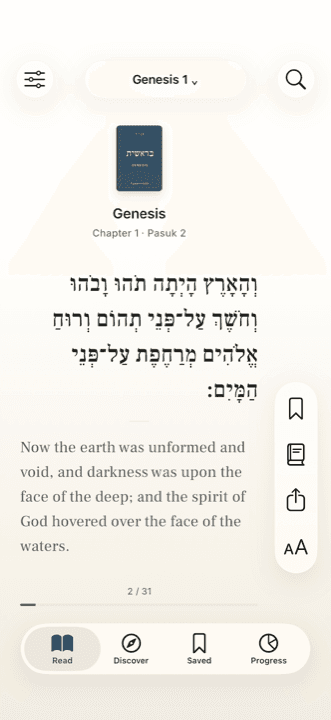
Nehemiah's prayer (Verses 4–11)
Key verse
4וַיְהִי כְּשָׁמְעִי אֶת־הַדְּבָרִים הָאֵלֶּה יָשַׁבְתִּי וָאֶבְכֶּה וָאֶתְאַבְּלָה יָמִים וָאֱהִי צָם וּמִתְפַּלֵּל לִפְנֵי אֱלֹהֵי הַשָּׁמָיִם׃
And it came to pass, when I heard these words, that I sat down and wept, and mourned certain days; and I fasted and prayed before the God of heaven,
5וָאֹמַר אָנָּא יְהוָה אֱלֹהֵי הַשָּׁמַיִם הָאֵל הַגָּדוֹל וְהַנּוֹרָא שֹׁמֵר הַבְּרִית וָחֶסֶד לְאֹהֲבָיו וּלְשֹׁמְרֵי מִצְוֺתָיו׃
and said: ‘I beseech Thee, O LORD, the God of heaven, the great and awful God, that keepeth covenant and mercy with them that love Him and keep His commandments;
6תְּהִי נָא אָזְנְךָ־קַשֶּׁבֶת וְעֵינֶיךָ פְתֻוּחוֹת לִשְׁמֹעַ אֶל־תְּפִלַּת עַבְדְּךָ אֲשֶׁר אָנֹכִי מִתְפַּלֵּל לְפָנֶיךָ הַיּוֹם יוֹמָם וָלַיְלָה עַל־בְּנֵי יִשְׂרָאֵל עֲבָדֶיךָ וּמִתְוַדֶּה עַל־חַטֹּאות בְּנֵי־יִשְׂרָאֵל אֲשֶׁר חָטָאנוּ לָךְ וַאֲנִי וּבֵית־אָבִי חָטָאנוּ׃
let Thine ear now be attentive, and Thine eyes open, that Thou mayest hearken unto the prayer of Thy servant, which I pray before Thee at this time, day and night, for the children of Israel Thy servants, while I confess the sins of the children of Israel, which we have sinned against Thee; yea, I and my father’s house have sinned.
7חֲבֹל חָבַלְנוּ לָךְ וְלֹא־שָׁמַרְנוּ אֶת־הַמִּצְוֺת וְאֶת־הַחֻקִּים וְאֶת־הַמִּשְׁפָּטִים אֲשֶׁר צִוִּיתָ אֶת־מֹשֶׁה עַבְדֶּךָ׃
We have dealt very corruptly against Thee, and have not kept the commandments, nor the statutes, nor the ordinances which Thou didst command Thy servant Moses.
8זְכָר־נָא אֶת־הַדָּבָר אֲשֶׁר צִוִּיתָ אֶת־מֹשֶׁה עַבְדְּךָ לֵאמֹר אַתֶּם תִּמְעָלוּ אֲנִי אָפִיץ אֶתְכֶם בָּעַמִּים׃
Remember, I beseech Thee, the word that Thou didst command Thy servant Moses, saying: If ye deal treacherously, I will scatter you abroad among the peoples;
9וְשַׁבְתֶּם אֵלַי וּשְׁמַרְתֶּם מִצְוֺתַי וַעֲשִׂיתֶם אֹתָם אִם־יִהְיֶה נִדַּחֲכֶם בִּקְצֵה הַשָּׁמַיִם מִשָּׁם אֲקַבְּצֵם והבואתים [וַהֲבִיאוֹתִים] אֶל־הַמָּקוֹם אֲשֶׁר בָּחַרְתִּי לְשַׁכֵּן אֶת־שְׁמִי שָׁם׃
but if ye return unto Me, and keep My commandments and do them, though your dispersed were in the uttermost part of the heaven, yet will I gather them from thence, and will bring them unto the place that I have chosen to cause My name to dwell there.
10וְהֵם עֲבָדֶיךָ וְעַמֶּךָ אֲשֶׁר פָּדִיתָ בְּכֹחֲךָ הַגָּדוֹל וּבְיָדְךָ הַחֲזָקָה׃
Now these are Thy servants and Thy people, whom Thou hast redeemed by Thy great power, and by Thy strong hand.
11אָנָּא אֲדֹנָי תְּהִי נָא אָזְנְךָ־קַשֶּׁבֶת אֶל־תְּפִלַּת עַבְדְּךָ וְאֶל־תְּפִלַּת עֲבָדֶיךָ הַחֲפֵצִים לְיִרְאָה אֶת־שְׁמֶךָ וְהַצְלִיחָה־נָּא לְעַבְדְּךָ הַיּוֹם וּתְנֵהוּ לְרַחֲמִים לִפְנֵי הָאִישׁ הַזֶּה וַאֲנִי הָיִיתִי מַשְׁקֶה לַמֶּלֶךְ׃
O Lord, I beseech Thee, let now Thine ear be attentive to the prayer of Thy servant, and to the prayer of Thy servants, who delight to fear Thy name; and prosper, I pray Thee, Thy servant this day, and grant him mercy in the sight of this man.’ Now I was cupbearer to the king.
Worth noticing
Nehemiah's prayer is woven from the Torah: the "great and awful God, that keepeth covenant and mercy" echoes Deuteronomy 7, and the promise to gather the dispersed from "the uttermost part of the heaven" recalls Deuteronomy 30. The last line, "Now I was cupbearer to the king", turns the prayer into a plan.
Related reading
- Can you learn Biblical Hebrew just by reading the Torah side by side?
- What is the Tanakh? Torah, Nevi'im and Ketuvim explained