 Torah Feed
Leviticus 3: The peace-offering, shared at the altar
The shelamim, or peace-offering, may be male or female, from the herd or from the flock. As with the burnt-offering, the owner lays his hand on the animal and the priests dash its blood against the altar, but here only certain parts are burned: the fat covering the inner organs, the two kidneys and the lobe of the liver, and for a sheep the whole fat tail. The rules are given for cattle, lambs and goats, and the chapter ends with a lasting statute: eat neither fat nor blood.
Updated November 14, 2026
In this chapter
- Verses 1–5A peace-offering from the herd
- Verses 6–11A lamb from the flock
- Verses 12–16A goat
- Verse 17Neither fat nor blood
Leviticus 3 in Hebrew and English
The Hebrew with full nikud beside the JPS 1917 English, both in the public domain. The summary, headings and notes on this page are Torah Feed's own.
A peace-offering from the herd (Verses 1–5)
1וְאִם־זֶבַח שְׁלָמִים קָרְבָּנוֹ אִם מִן־הַבָּקָר הוּא מַקְרִיב אִם־זָכָר אִם־נְקֵבָה תָּמִים יַקְרִיבֶנּוּ לִפְנֵי יְהוָה׃
And if his offering be a sacrifice of peace-offerings: if he offer of the herd, whether male or female, he shall offer it without blemish before the LORD.
Rashi on verse 1
שלמים PEACE-OFFERINGS: They are so called because they bring peace (שלום) into the world. Another explanation is: they are called שלמים because through them there is “peace” (harmony and lack of envy) to the altar, to the priests and to the owners (since all these receive a portion) (cf. Rashi on Exodus 29:22 and our Note thereon; see also Sifra, Vayikra Dibbura d'Nedavah, Chapter 16 2).
Rashi has 13 more comments on Leviticus 3. Torah Feed shows them beside each verse, in Hebrew and English.
Get the app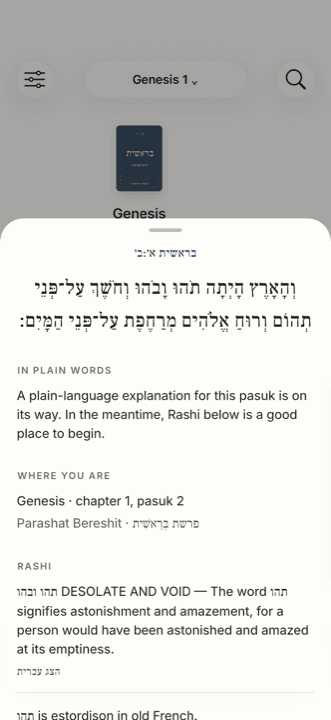
2וְסָמַךְ יָדוֹ עַל־רֹאשׁ קָרְבָּנוֹ וּשְׁחָטוֹ פֶּתַח אֹהֶל מוֹעֵד וְזָרְקוּ בְּנֵי אַהֲרֹן הַכֹּהֲנִים אֶת־הַדָּם עַל־הַמִּזְבֵּחַ סָבִיב׃
And he shall lay his hand upon the head of his offering, and kill it at the door of the tent of meeting; and Aaron’s sons the priests shall dash the blood against the altar round about.
3וְהִקְרִיב מִזֶּבַח הַשְּׁלָמִים אִשֶּׁה לַיהוָה אֶת־הַחֵלֶב הַמְכַסֶּה אֶת־הַקֶּרֶב וְאֵת כָּל־הַחֵלֶב אֲשֶׁר עַל־הַקֶּרֶב׃
And he shall present of the sacrifice of peace-offerings an offering made by fire unto the LORD: the fat that covereth the inwards, and all the fat that is upon the inwards,
4וְאֵת שְׁתֵּי הַכְּלָיֹת וְאֶת־הַחֵלֶב אֲשֶׁר עֲלֵהֶן אֲשֶׁר עַל־הַכְּסָלִים וְאֶת־הַיֹּתֶרֶת עַל־הַכָּבֵד עַל־הַכְּלָיוֹת יְסִירֶנָּה׃
and the two kidneys, and the fat that is on them, which is by the loins, and the lobe above the liver, which he shall take away hard by the kidneys.
5וְהִקְטִירוּ אֹתוֹ בְנֵי־אַהֲרֹן הַמִּזְבֵּחָה עַל־הָעֹלָה אֲשֶׁר עַל־הָעֵצִים אֲשֶׁר עַל־הָאֵשׁ אִשֵּׁה רֵיחַ נִיחֹחַ לַיהוָה׃
And Aaron’s sons shall make it smoke on the altar upon the burnt-offering, which is upon the wood that is on the fire; it is an offering made by fire, of a sweet savour unto the LORD.
A lamb from the flock (Verses 6–11)
6וְאִם־מִן־הַצֹּאן קָרְבָּנוֹ לְזֶבַח שְׁלָמִים לַיהוָה זָכָר אוֹ נְקֵבָה תָּמִים יַקְרִיבֶנּוּ׃
And if his offering for a sacrifice of peace-offerings unto the LORD be of the flock, male or female, he shall offer it without blemish.
7אִם־כֶּשֶׂב הוּא־מַקְרִיב אֶת־קָרְבָּנוֹ וְהִקְרִיב אֹתוֹ לִפְנֵי יְהוָה׃
If he bring a lamb for his offering, then shall he present it before the LORD.
8וְסָמַךְ אֶת־יָדוֹ עַל־רֹאשׁ קָרְבָּנוֹ וְשָׁחַט אֹתוֹ לִפְנֵי אֹהֶל מוֹעֵד וְזָרְקוּ בְּנֵי אַהֲרֹן אֶת־דָּמוֹ עַל־הַמִּזְבֵּחַ סָבִיב׃
And he shall lay his hand upon the head of his offering, and kill it before the tent of meeting; and Aaron’s sons shall dash the blood thereof against the altar round about.
9וְהִקְרִיב מִזֶּבַח הַשְּׁלָמִים אִשֶּׁה לַיהוָה חֶלְבּוֹ הָאַלְיָה תְמִימָה לְעֻמַּת הֶעָצֶה יְסִירֶנָּה וְאֶת־הַחֵלֶב הַמְכַסֶּה אֶת־הַקֶּרֶב וְאֵת כָּל־הַחֵלֶב אֲשֶׁר עַל־הַקֶּרֶב׃
And he shall present of the sacrifice of peace-offerings an offering made by fire unto the LORD: the fat thereof, the fat tail entire, which he shall take away hard by the rump-bone; and the fat that covereth the inwards, and all the fat that is upon the inwards,
10וְאֵת שְׁתֵּי הַכְּלָיֹת וְאֶת־הַחֵלֶב אֲשֶׁר עֲלֵהֶן אֲשֶׁר עַל־הַכְּסָלִים וְאֶת־הַיֹּתֶרֶת עַל־הַכָּבֵד עַל־הַכְּלָיֹת יְסִירֶנָּה׃
and the two kidneys, and the fat that is upon them, which is by the loins, and the lobe above the liver, which he shall take away by the kidneys.
11וְהִקְטִירוֹ הַכֹּהֵן הַמִּזְבֵּחָה לֶחֶם אִשֶּׁה לַיהוָה׃
And the priest shall make it smoke upon the altar; it is the food of the offering made by fire unto the LORD.
A goat (Verses 12–16)
12וְאִם עֵז קָרְבָּנוֹ וְהִקְרִיבוֹ לִפְנֵי יְהוָה׃
And if his offering be a goat, then he shall present it before the LORD.
13וְסָמַךְ אֶת־יָדוֹ עַל־רֹאשׁוֹ וְשָׁחַט אֹתוֹ לִפְנֵי אֹהֶל מוֹעֵד וְזָרְקוּ בְּנֵי אַהֲרֹן אֶת־דָּמוֹ עַל־הַמִּזְבֵּחַ סָבִיב׃
And he shall lay his hand upon the head of it, and kill it before the tent of meeting; and the sons of Aaron shall dash the blood thereof against the altar round about.
14וְהִקְרִיב מִמֶּנּוּ קָרְבָּנוֹ אִשֶּׁה לַיהוָה אֶת־הַחֵלֶב הַמְכַסֶּה אֶת־הַקֶּרֶב וְאֵת כָּל־הַחֵלֶב אֲשֶׁר עַל־הַקֶּרֶב׃
And he shall present thereof his offering, even an offering made by fire unto the LORD: the fat that covereth the inwards, and all the fat that is upon the inwards,
15וְאֵת שְׁתֵּי הַכְּלָיֹת וְאֶת־הַחֵלֶב אֲשֶׁר עֲלֵהֶן אֲשֶׁר עַל־הַכְּסָלִים וְאֶת־הַיֹּתֶרֶת עַל־הַכָּבֵד עַל־הַכְּלָיֹת יְסִירֶנָּה׃
and the two kidneys, and the fat that is upon them, which is by the loins, and the lobe above the liver, which he shall take away by the kidneys.
16וְהִקְטִירָם הַכֹּהֵן הַמִּזְבֵּחָה לֶחֶם אִשֶּׁה לְרֵיחַ נִיחֹחַ כָּל־חֵלֶב לַיהוָה׃
And the priest shall make them smoke upon the altar; it is the food of the offering made by fire, for a sweet savour; all the fat is the LORD’S.
Neither fat nor blood (Verse 17)
Key verse
17חֻקַּת עוֹלָם לְדֹרֹתֵיכֶם בְּכֹל מוֹשְׁבֹתֵיכֶם כָּל־חֵלֶב וְכָל־דָּם לֹא תֹאכֵלוּ׃
It shall be a perpetual statute throughout your generations in all your dwellings, that ye shall eat neither fat nor blood.
Worth noticing
The name shelamim shares its root with shalom, peace and wholeness. Rashi gives two readings: these offerings bring peace into the world, and they bring peace to all sides, since the altar, the priests and the owner each receive a share.
Related reading
- Rashi's commentary on the Torah in English
- Shnayim mikra ve'echad targum: a practical guide for a busy week
- How to read the Torah in a year
- Can you learn Biblical Hebrew just by reading the Torah side by side?