 Torah Feed
Leviticus 10: The death of Nadab and Abihu
On the joyful day the priests begin to serve, Aaron's sons Nadab and Abihu offer "strange fire" that God had not commanded, and fire comes forth and consumes them. Moses speaks of God being sanctified through those near to Him, and Aaron is silent. Mishael and Elzaphan, Aaron's cousins, carry the bodies out, and Aaron and his remaining sons are told not to mourn openly. Priests may not drink wine before entering the sanctuary. When Moses finds the people's sin-offering burned rather than eaten, Aaron explains why, and Moses accepts it.
Updated November 14, 2026
In this chapter
- Verses 1–3Nadab and Abihu offer strange fire
- Verses 4–7The bodies carried out, mourning held back
- Verses 8–11No wine before entering the sanctuary
- Verses 12–15Eating the priests' portions
- Verses 16–20The burned sin-offering
Leviticus 10 in Hebrew and English
The Hebrew with full nikud beside the JPS 1917 English, both in the public domain. The summary, headings and notes on this page are Torah Feed's own.
Nadab and Abihu offer strange fire (Verses 1–3)
1וַיִּקְחוּ בְנֵי־אַהֲרֹן נָדָב וַאֲבִיהוּא אִישׁ מַחְתָּתוֹ וַיִּתְּנוּ בָהֵן אֵשׁ וַיָּשִׂימוּ עָלֶיהָ קְטֹרֶת וַיַּקְרִבוּ לִפְנֵי יְהוָה אֵשׁ זָרָה אֲשֶׁר לֹא צִוָּה אֹתָם׃
And Nadab and Abihu, the sons of Aaron, took each of them his censer, and put fire therein, and laid incense thereon, and offered strange fire before the LORD, which He had not commanded them.
2וַתֵּצֵא אֵשׁ מִלִּפְנֵי יְהוָה וַתֹּאכַל אוֹתָם וַיָּמֻתוּ לִפְנֵי יְהוָה׃
And there came forth fire from before the LORD, and devoured them, and they died before the LORD.
Rashi on verse 2
ותצא אש AND THERE WENT OUT FIRE: Rabbi Eleizer said: the sons of Aaron died only because they gave decisions on religious matters in the presence of their teacher, Moses (Sifra, Shemini, Mechilta d'Miluim 2 32; Eruvin 63a). Rabbi Ishmael said: they died because they entered the Sanctuary intoxicated by wine. You may know that this is so, because after their death he admonished those who survived that they should not …
Rashi has 42 more comments on Leviticus 10. Torah Feed shows them beside each verse, in Hebrew and English.
Get the app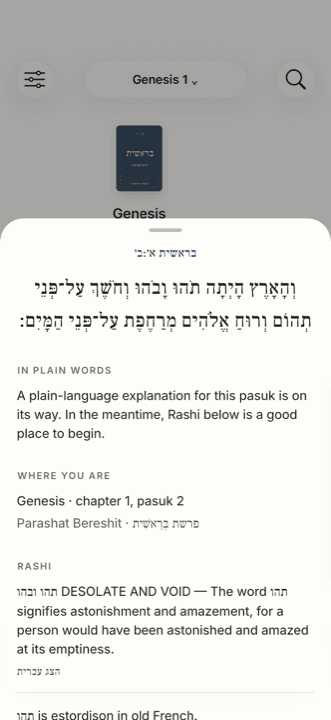
Key verse
3וַיֹּאמֶר מֹשֶׁה אֶל־אַהֲרֹן הוּא אֲשֶׁר־דִּבֶּר יְהוָה לֵאמֹר בִּקְרֹבַי אֶקָּדֵשׁ וְעַל־פְּנֵי כָל־הָעָם אֶכָּבֵד וַיִּדֹּם אַהֲרֹן׃
Then Moses said unto Aaron: ‘This is it that the LORD spoke, saying: Through them that are nigh unto Me I will be sanctified, and before all the people I will be glorified.’ And Aaron held his peace.
The bodies carried out, mourning held back (Verses 4–7)
4וַיִּקְרָא מֹשֶׁה אֶל־מִישָׁאֵל וְאֶל אֶלְצָפָן בְּנֵי עֻזִּיאֵל דֹּד אַהֲרֹן וַיֹּאמֶר אֲלֵהֶם קִרְבוּ שְׂאוּ אֶת־אֲחֵיכֶם מֵאֵת פְּנֵי־הַקֹּדֶשׁ אֶל־מִחוּץ לַמַּחֲנֶה׃
And Moses called Mishael and Elzaphan, the sons of Uzziel the uncle of Aaron, and said unto them: ‘Draw near, carry your brethren from before the sanctuary out of the camp.’
5וַיִּקְרְבוּ וַיִּשָּׂאֻם בְּכֻתֳּנֹתָם אֶל־מִחוּץ לַמַּחֲנֶה כַּאֲשֶׁר דִּבֶּר מֹשֶׁה׃
So they drew near, and carried them in their tunics out of the camp, as Moses had said.
6וַיֹּאמֶר מֹשֶׁה אֶל־אַהֲרֹן וּלְאֶלְעָזָר וּלְאִיתָמָר בָּנָיו רָאשֵׁיכֶם אַל־תִּפְרָעוּ וּבִגְדֵיכֶם לֹא־תִפְרֹמוּ וְלֹא תָמֻתוּ וְעַל כָּל־הָעֵדָה יִקְצֹף וַאֲחֵיכֶם כָּל־בֵּית יִשְׂרָאֵל יִבְכּוּ אֶת־הַשְּׂרֵפָה אֲשֶׁר שָׂרַף יְהוָה׃
And Moses said unto Aaron, and unto Eleazar and unto Ithamar, his sons: ‘Let not the hair of your heads go loose, neither rend your clothes, that ye die not, and that He be not wroth with all the congregation; but let your brethren, the whole house of Israel, bewail the burning which the LORD hath kindled.
7וּמִפֶּתַח אֹהֶל מוֹעֵד לֹא תֵצְאוּ פֶּן־תָּמֻתוּ כִּי־שֶׁמֶן מִשְׁחַת יְהוָה עֲלֵיכֶם וַיַּעֲשׂוּ כִּדְבַר מֹשֶׁה׃
And ye shall not go out from the door of the tent of meeting, lest ye die; for the anointing oil of the LORD is upon you.’ And they did according to the word of Moses.
No wine before entering the sanctuary (Verses 8–11)
8וַיְדַבֵּר יְהוָה אֶל־אַהֲרֹן לֵאמֹר׃
And the LORD spoke unto Aaron, saying:
9יַיִן וְשֵׁכָר אַל־תֵּשְׁתְּ אַתָּה וּבָנֶיךָ אִתָּךְ בְּבֹאֲכֶם אֶל־אֹהֶל מוֹעֵד וְלֹא תָמֻתוּ חֻקַּת עוֹלָם לְדֹרֹתֵיכֶם׃
’Drink no wine nor strong drink, thou, nor thy sons with thee, when ye go into the tent of meeting, that ye die not; it shall be a statute forever throughout your generations.
10וּלֲהַבְדִּיל בֵּין הַקֹּדֶשׁ וּבֵין הַחֹל וּבֵין הַטָּמֵא וּבֵין הַטָּהוֹר׃
And that ye may put difference between the holy and the common, and between the unclean and the clean;
11וּלְהוֹרֹת אֶת־בְּנֵי יִשְׂרָאֵל אֵת כָּל־הַחֻקִּים אֲשֶׁר דִּבֶּר יְהוָה אֲלֵיהֶם בְּיַד־מֹשֶׁה׃
and that ye may teach the children of Israel all the statutes which the LORD hath spoken unto them by the hand of Moses.’
Eating the priests' portions (Verses 12–15)
12וַיְדַבֵּר מֹשֶׁה אֶל־אַהֲרֹן וְאֶל אֶלְעָזָר וְאֶל־אִיתָמָר בָּנָיו הַנּוֹתָרִים קְחוּ אֶת־הַמִּנְחָה הַנּוֹתֶרֶת מֵאִשֵּׁי יְהוָה וְאִכְלוּהָ מַצּוֹת אֵצֶל הַמִּזְבֵּחַ כִּי קֹדֶשׁ קָדָשִׁים הִוא׃
And Moses spoke unto Aaron, and unto Eleazar and unto Ithamar, his sons that were left: ‘Take the meal-offering that remaineth of the offerings of the LORD made by fire, and eat it without leaven beside the altar; for it is most holy.
13וַאֲכַלְתֶּם אֹתָהּ בְּמָקוֹם קָדֹשׁ כִּי חָקְךָ וְחָק־בָּנֶיךָ הִוא מֵאִשֵּׁי יְהוָה כִּי־כֵן צֻוֵּיתִי׃
And ye shall eat it in a holy place, because it is thy due, and thy sons’due, of the offerings of the LORD made by fire; for so I am commanded.
14וְאֵת חֲזֵה הַתְּנוּפָה וְאֵת שׁוֹק הַתְּרוּמָה תֹּאכְלוּ בְּמָקוֹם טָהוֹר אַתָּה וּבָנֶיךָ וּבְנֹתֶיךָ אִתָּךְ כִּי־חָקְךָ וְחָק־בָּנֶיךָ נִתְּנוּ מִזִּבְחֵי שַׁלְמֵי בְּנֵי יִשְׂרָאֵל׃
And the breast of waving and the thigh of heaving shall ye eat in a clean place; thou, and thy sons, and thy daughters with thee; for they are given as thy due, and thy sons’due, out of the sacrifices of the peace-offerings of the children of Israel.
15שׁוֹק הַתְּרוּמָה וַחֲזֵה הַתְּנוּפָה עַל אִשֵּׁי הַחֲלָבִים יָבִיאוּ לְהָנִיף תְּנוּפָה לִפְנֵי יְהוָה וְהָיָה לְךָ וּלְבָנֶיךָ אִתְּךָ לְחָק־עוֹלָם כַּאֲשֶׁר צִוָּה יְהוָה׃
The thigh of heaving and the breast of waving shall they bring with the offerings of the fat made by fire, to wave it for a wave-offering before the LORD; and it shall be thine, and thy sons’with thee, as a due for ever; as the LORD hath commanded.’
The burned sin-offering (Verses 16–20)
16וְאֵת שְׂעִיר הַחַטָּאת דָּרֹשׁ דָּרַשׁ מֹשֶׁה וְהִנֵּה שֹׂרָף וַיִּקְצֹף עַל־אֶלְעָזָר וְעַל־אִיתָמָר בְּנֵי אַהֲרֹן הַנּוֹתָרִם לֵאמֹר׃
And Moses diligently inquired for the goat of the sin-offering, and, behold, it was burnt; and he was angry with Eleazar and with Ithamar, the sons of Aaron that were left, saying:
17מַדּוּעַ לֹא־אֲכַלְתֶּם אֶת־הַחַטָּאת בִּמְקוֹם הַקֹּדֶשׁ כִּי קֹדֶשׁ קָדָשִׁים הִוא וְאֹתָהּ נָתַן לָכֶם לָשֵׂאת אֶת־עֲוֺן הָעֵדָה לְכַפֵּר עֲלֵיהֶם לִפְנֵי יְהוָה׃
’Wherefore have ye not eaten the sin-offering in the place of the sanctuary, seeing it is most holy, and He hath given it you to bear the iniquity of the congregation, to make atonement for them before the LORD?
18הֵן לֹא־הוּבָא אֶת־דָּמָהּ אֶל־הַקֹּדֶשׁ פְּנִימָה אָכוֹל תֹּאכְלוּ אֹתָהּ בַּקֹּדֶשׁ כַּאֲשֶׁר צִוֵּיתִי׃
Behold, the blood of it was not brought into the sanctuary within; ye should certainly have eaten it in the sanctuary, as I commanded.’
19וַיְדַבֵּר אַהֲרֹן אֶל־מֹשֶׁה הֵן הַיּוֹם הִקְרִיבוּ אֶת־חַטָּאתָם וְאֶת־עֹלָתָם לִפְנֵי יְהוָה וַתִּקְרֶאנָה אֹתִי כָּאֵלֶּה וְאָכַלְתִּי חַטָּאת הַיּוֹם הַיִּיטַב בְּעֵינֵי יְהוָה׃
And Aaron spoke unto Moses: ‘Behold, this day have they offered their sin-offering and their burnt-offering before the LORD, and there have befallen me such things as these; and if I had eaten the sin-offering to-day, would it have been well-pleasing in the sight of the LORD?
20וַיִּשְׁמַע מֹשֶׁה וַיִּיטַב בְּעֵינָיו׃
And when Moses heard that, it was well-pleasing in his sight.
Worth noticing
"And Aaron held his peace": the Hebrew vayidom has become a byword for grief that finds no words. Why the two sons died is left unsaid, and Rashi records two views of the Sages: that they ruled on a law in front of Moses their teacher, or that they entered the sanctuary after drinking wine, as the law that follows suggests.
Related reading
- Rashi's commentary on the Torah in English
- Shnayim mikra ve'echad targum: a practical guide for a busy week
- How to read the Torah in a year
- Can you learn Biblical Hebrew just by reading the Torah side by side?