 Torah Feed
Jonah 4: The gourd and God's question
Angry that Nineveh has been spared, Jonah is taught a lesson in mercy through a plant that grows and withers. He says this is why he fled: he knew God is gracious and compassionate and relents from punishment, and he asks to die. He sits east of the city to watch, and God makes a gourd grow to shade him, then sends a worm to kill it and a scorching east wind. When Jonah again wishes for death, God asks: you pity a plant that grew in a night; should I not pity Nineveh, with its many thousands of people and much cattle?
Updated November 14, 2026
- Verses
- 11
- Section
- Nevi'im
- Key verse
- Verse 11
In this chapter
- Verses 1–4Jonah's anger at God's mercy
- Verses 5–9The gourd, the worm and the east wind
- Verses 10–11Should I not pity Nineveh
Jonah 4 in Hebrew and English
The Hebrew with full nikud beside the JPS 1917 English, both in the public domain. The summary, headings and notes on this page are Torah Feed's own.
Jonah's anger at God's mercy (Verses 1–4)
1וַיֵּרַע אֶל־יוֹנָה רָעָה גְדוֹלָה וַיִּחַר לוֹ׃
But it displeased Jonah exceedingly, and he was angry.
2וַיִּתְפַּלֵּל אֶל־יְהוָה וַיֹּאמַר אָנָּה יְהוָה הֲלוֹא־זֶה דְבָרִי עַד־הֱיוֹתִי עַל־אַדְמָתִי עַל־כֵּן קִדַּמְתִּי לִבְרֹחַ תַּרְשִׁישָׁה כִּי יָדַעְתִּי כִּי אַתָּה אֵל־חַנּוּן וְרַחוּם אֶרֶךְ אַפַּיִם וְרַב־חֶסֶד וְנִחָם עַל־הָרָעָה׃
And he prayed unto the LORD, and said: ‘I pray Thee, O LORD, was not this my saying, when I was yet in mine own country? Therefore I fled beforehand unto Tarshish; for I knew that Thou art a gracious God, and compassionate, long-suffering, and abundant in mercy, and repentest Thee of the evil.
3וְעַתָּה יְהוָה קַח־נָא אֶת־נַפְשִׁי מִמֶּנִּי כִּי טוֹב מוֹתִי מֵחַיָּי׃
Therefore now, O LORD, take, I beseech Thee, my life from me; for it is better for me to die than to live.’
Read Jonah 4 one verse per screen and keep your place in Torah Feed.
Get the app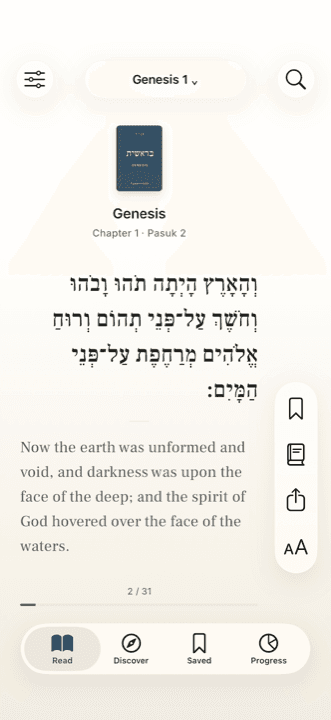
4וַיֹּאמֶר יְהוָה הַהֵיטֵב חָרָה לָךְ׃
And the LORD said: ‘Art thou greatly angry?’
The gourd, the worm and the east wind (Verses 5–9)
5וַיֵּצֵא יוֹנָה מִן־הָעִיר וַיֵּשֶׁב מִקֶּדֶם לָעִיר וַיַּעַשׂ לוֹ שָׁם סֻכָּה וַיֵּשֶׁב תַּחְתֶּיהָ בַּצֵּל עַד אֲשֶׁר יִרְאֶה מַה־יִּהְיֶה בָּעִיר׃
Then Jonah went out of the city, and sat on the east side of the city, and there made him a booth, and sat under it in the shadow, till he might see what would become of the city.
6וַיְמַן יְהוָה־אֱלֹהִים קִיקָיוֹן וַיַּעַל מֵעַל לְיוֹנָה לִהְיוֹת צֵל עַל־רֹאשׁוֹ לְהַצִּיל לוֹ מֵרָעָתוֹ וַיִּשְׂמַח יוֹנָה עַל־הַקִּיקָיוֹן שִׂמְחָה גְדוֹלָה׃
And the LORD God prepared a gourd, and made it to come up over Jonah, that it might be a shadow over his head, to deliver him from his evil. So Jonah was exceeding glad because of the gourd.
7וַיְמַן הָאֱלֹהִים תּוֹלַעַת בַּעֲלוֹת הַשַּׁחַר לַמָּחֳרָת וַתַּךְ אֶת־הַקִּיקָיוֹן וַיִּיבָשׁ׃
But God prepared a worm when the morning rose the next day, and it smote the gourd, that it withered.
8וַיְהִי כִּזְרֹחַ הַשֶּׁמֶשׁ וַיְמַן אֱלֹהִים רוּחַ קָדִים חֲרִישִׁית וַתַּךְ הַשֶּׁמֶשׁ עַל־רֹאשׁ יוֹנָה וַיִּתְעַלָּף וַיִּשְׁאַל אֶת־נַפְשׁוֹ לָמוּת וַיֹּאמֶר טוֹב מוֹתִי מֵחַיָּי׃
And it came to pass, when the sun arose, that God prepared a vehement east wind; and the sun beat upon the head of Jonah, that he fainted, and requested for himself that he might die, and said: ‘It is better for me to die than to live.’
9וַיֹּאמֶר אֱלֹהִים אֶל־יוֹנָה הַהֵיטֵב חָרָה־לְךָ עַל־הַקִּיקָיוֹן וַיֹּאמֶר הֵיטֵב חָרָה־לִי עַד־מָוֶת׃
And God said to Jonah: ‘Art thou greatly angry for the gourd?’ And he said: ‘I am greatly angry, even unto death.’
Should I not pity Nineveh (Verses 10–11)
10וַיֹּאמֶר יְהוָה אַתָּה חַסְתָּ עַל־הַקִּיקָיוֹן אֲשֶׁר לֹא־עָמַלְתָּ בּוֹ וְלֹא גִדַּלְתּוֹ שֶׁבִּן־לַיְלָה הָיָה וּבִן־לַיְלָה אָבָד׃
And the LORD said: ‘Thou hast had pity on the gourd, for which thou hast not laboured, neither madest it grow, which came up in a night, and perished in a night;
Key verse
11וַאֲנִי לֹא אָחוּס עַל־נִינְוֵה הָעִיר הַגְּדוֹלָה אֲשֶׁר יֶשׁ־בָּהּ הַרְבֵּה מִשְׁתֵּים־עֶשְׂרֵה רִבּוֹ אָדָם אֲשֶׁר לֹא־יָדַע בֵּין־יְמִינוֹ לִשְׂמֹאלוֹ וּבְהֵמָה רַבָּה׃
and should not I have pity on Nineveh, that great city, wherein are more than sixscore thousand persons that cannot discern between their right hand and their left hand, and also much cattle?’
Worth noticing
Jonah's complaint in verse 2 quotes God's attributes of mercy from Exodus 34, the words chanted again and again on Yom Kippur, the day this book is read. The book ends on God's question, with no answer from Jonah: the reader is left to give one.
Related reading
- Can you learn Biblical Hebrew just by reading the Torah side by side?
- What is the Tanakh? Torah, Nevi'im and Ketuvim explained