 Torah Feed
Job 3: Job curses the day he was born
After seven days of silence Job speaks, and his first words curse the day he was born. He calls darkness down on that day and on the night of his conception, and wishes them struck from the calendar. Why did he not die at birth? In the grave he would rest with kings and slaves alike, where "the weary are at rest." Why is light given to those who long for death? What he feared has come upon him, and he has no peace.
Updated November 14, 2026
- Verses
- 26
- Section
- Ketuvim
- Key verse
- Verse 3
In this chapter
- Verses 1–2Job breaks his silence
- Verses 3–10Cursing the day and the night of his birth
- Verses 11–19Why did I not die at birth
- Verses 20–26Why is light given to the sufferer
Job 3 in Hebrew and English
The Hebrew with full nikud beside the JPS 1917 English, both in the public domain. The summary, headings and notes on this page are Torah Feed's own.
Job breaks his silence (Verses 1–2)
1אַחֲרֵי־כֵן פָּתַח אִיּוֹב אֶת־פִּיהוּ וַיְקַלֵּל אֶת־יוֹמוֹ׃
After this opened Job his mouth, and cursed his day.
2וַיַּעַן אִיּוֹב וַיֹּאמַר׃
And Job spoke, and said:
Cursing the day and the night of his birth (Verses 3–10)
Key verse
3יֹאבַד יוֹם אִוָּלֶד בּוֹ וְהַלַּיְלָה אָמַר הֹרָה גָבֶר׃
Let the day perish wherein I was born, And the night wherein it was said: ‘A man-child is brought forth.’
Read Job 3 one verse per screen and keep your place in Torah Feed.
Get the app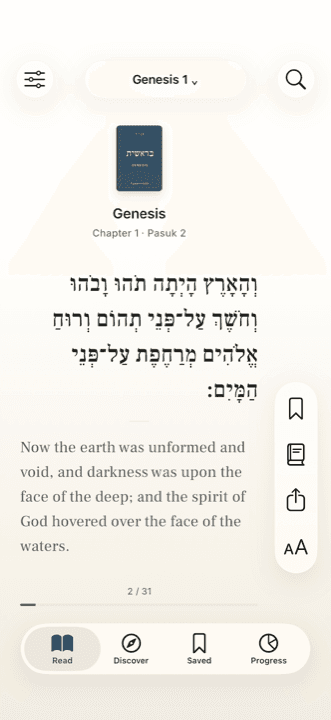
4הַיּוֹם הַהוּא יְהִי חֹשֶׁךְ אַל־יִדְרְשֵׁהוּ אֱלוֹהַּ מִמָּעַל וְאַל־תּוֹפַע עָלָיו נְהָרָה׃
Let that day be darkness; Let not God inquire after it from above, Neither let the light shine upon it.
5יִגְאָלֻהוּ חֹשֶׁךְ וְצַלְמָוֶת תִּשְׁכָּן־עָלָיו עֲנָנָה יְבַעֲתֻהוּ כִּמְרִירֵי יוֹם׃
Let darkness and the shadow of death claim it for their own; Let a cloud dwell upon it; Let all that maketh black the day terrify it.
6הַלַּיְלָה הַהוּא יִקָּחֵהוּ אֹפֶל אַל־יִחַדְּ בִּימֵי שָׁנָה בְּמִסְפַּר יְרָחִים אַל־יָבֹא׃
As for that night, let thick darkness seize upon it; Let it not rejoice among the days of the year; Let it not come into the number of the months.
7הִנֵּה הַלַּיְלָה הַהוּא יְהִי גַלְמוּד אַל־תָּבֹא רְנָנָה בוֹ׃
Lo, let that night be desolate; Let no joyful voice come therein.
8יִקְּבֻהוּ אֹרְרֵי־יוֹם הָעֲתִידִים עֹרֵר לִוְיָתָן׃
Let them curse it that curse the day, Who are ready to rouse up leviathan.
9יֶחְשְׁכוּ כּוֹכְבֵי נִשְׁפּוֹ יְקַו־לְאוֹר וָאַיִן וְאַל־יִרְאֶה בְּעַפְעַפֵּי־שָׁחַר׃
Let the stars of the twilight thereof be dark; Let it look for light, but have none; Neither let it behold the eyelids of the morning;
10כִּי לֹא סָגַר דַּלְתֵי בִטְנִי וַיַּסְתֵּר עָמָל מֵעֵינָי׃
Because it shut not up the doors of my [mother’s] womb, Nor hid trouble from mine eyes.
Why did I not die at birth (Verses 11–19)
11לָמָּה לֹּא מֵרֶחֶם אָמוּת מִבֶּטֶן יָצָאתִי וְאֶגְוָע׃
Why died I not from the womb? Why did I not perish at birth?
12מַדּוּעַ קִדְּמוּנִי בִרְכָּיִם וּמַה־שָּׁדַיִם כִּי אִינָק׃
Why did the knees receive me? And wherefore the breasts, that I should suck?
13כִּי־עַתָּה שָׁכַבְתִּי וְאֶשְׁקוֹט יָשַׁנְתִּי אָז יָנוּחַ לִי׃
For now should I have lain still and been quiet; I should have slept; then had I been at rest
14עִם־מְלָכִים וְיֹעֲצֵי אָרֶץ הַבֹּנִים חֳרָבוֹת לָמוֹ׃
With kings and counsellors of the earth, Who built up waste places for themselves;
15אוֹ עִם־שָׂרִים זָהָב לָהֶם הַמְמַלְאִים בָּתֵּיהֶם כָּסֶף׃
Or with princes that had gold, Who filled their houses with silver;
16אוֹ כְנֵפֶל טָמוּן לֹא אֶהְיֶה כְּעֹלְלִים לֹא־רָאוּ אוֹר׃
Or as a hidden untimely birth I had not been; As infants that never saw light.
17שָׁם רְשָׁעִים חָדְלוּ רֹגֶז וְשָׁם יָנוּחוּ יְגִיעֵי כֹחַ׃
There the wicked cease from troubling; And there the weary are at rest.
18יַחַד אֲסִירִים שַׁאֲנָנוּ לֹא שָׁמְעוּ קוֹל נֹגֵשׂ׃
There the prisoners are at ease together; They hear not the voice of the taskmaster.
19קָטֹן וְגָדוֹל שָׁם הוּא וְעֶבֶד חָפְשִׁי מֵאֲדֹנָיו׃
The small and great are there alike; And the servant is free from his master.
Why is light given to the sufferer (Verses 20–26)
20לָמָּה יִתֵּן לְעָמֵל אוֹר וְחַיִּים לְמָרֵי נָפֶשׁ׃
Wherewith is light given to him that is in misery, And life unto the bitter in soul
21הַמְחַכִּים לַמָּוֶת וְאֵינֶנּוּ וַיַּחְפְּרֻהוּ מִמַּטְמוֹנִים׃
Who long for death, but it cometh not; And dig for it more than for hid treasures;
22הַשְּׂמֵחִים אֱלֵי־גִיל יָשִׂישׂוּ כִּי יִמְצְאוּ־קָבֶר׃
Who rejoice unto exultation, And are glad, when they can find the grave?
23לְגֶבֶר אֲשֶׁר־דַּרְכּוֹ נִסְתָּרָה וַיָּסֶךְ אֱלוֹהַּ בַּעֲדוֹ׃
To a man whose way is hid, And whom God hath hedged in?
24כִּי־לִפְנֵי לַחְמִי אַנְחָתִי תָבֹא וַיִּתְּכוּ כַמַּיִם שַׁאֲגֹתָי׃
For my sighing cometh instead of my food, And my roarings are poured out like water.
25כִּי פַחַד פָּחַדְתִּי וַיֶּאֱתָיֵנִי וַאֲשֶׁר יָגֹרְתִּי יָבֹא לִי׃
For the thing which I did fear is come upon me, And that which I was afraid of hath overtaken me.
26לֹא שָׁלַוְתִּי וְלֹא שָׁקַטְתִּי וְלֹא־נָחְתִּי וַיָּבֹא רֹגֶז׃
I was not at ease, neither was I quiet, Neither had I rest; but trouble came.
Worth noticing
Job's curse undoes creation. Where God said "Let there be light", Job says "Let that day be darkness", the same Hebrew form, yehi, turned against itself. Here too the prose story gives way to poetry, which runs almost to the end of the book.
Related reading
- Can you learn Biblical Hebrew just by reading the Torah side by side?
- What is the Tanakh? Torah, Nevi'im and Ketuvim explained