 Torah Feed
Isaiah 53: The servant despised and afflicted
Onlookers describe in astonishment a servant of God whom they despised, and come to see that his suffering carried their own guilt. He grew up like a root in dry ground, without beauty, a man of pains from whom people turned their faces. They thought him struck by God, yet he was wounded because of their transgressions. Like a lamb led to the slaughter he did not open his mouth, and he was buried among the wicked though he had done no violence. God declares that the servant will see his offspring and prolong his days, and will receive a portion with the great because he bore the sin of many.
Updated November 14, 2026
- Verses
- 12
- Section
- Nevi'im
- Key verse
- Verse 3
In this chapter
- Verses 1–3Who would have believed our report?
- Verses 4–6He carried our pains
- Verses 7–9Like a lamb led to the slaughter
- Verses 10–12He shall see his offspring
Isaiah 53 in Hebrew and English
The Hebrew with full nikud beside the JPS 1917 English, both in the public domain. The summary, headings and notes on this page are Torah Feed's own.
Who would have believed our report? (Verses 1–3)
1מִי הֶאֱמִין לִשְׁמֻעָתֵנוּ וּזְרוֹעַ יְהוָה עַל־מִי נִגְלָתָה׃
'Who would have believed our report? And to whom hath the arm of the LORD been revealed?
2וַיַּעַל כַּיּוֹנֵק לְפָנָיו וְכַשֹּׁרֶשׁ מֵאֶרֶץ צִיָּה לֹא־תֹאַר לוֹ וְלֹא הָדָר וְנִרְאֵהוּ וְלֹא־מַרְאֶה וְנֶחְמְדֵהוּ׃
For he shot up right forth as a sapling, And as a root out of a dry ground; He had no form nor comeliness, that we should look upon him, Nor beauty that we should delight in him.
Key verse
3נִבְזֶה וַחֲדַל אִישִׁים אִישׁ מַכְאֹבוֹת וִידוּעַ חֹלִי וּכְמַסְתֵּר פָּנִים מִמֶּנּוּ נִבְזֶה וְלֹא חֲשַׁבְנֻהוּ׃
He was despised, and forsaken of men, A man of pains, and acquainted with disease, And as one from whom men hide their face: He was despised, and we esteemed him not.
Read Isaiah 53 one verse per screen and keep your place in Torah Feed.
Get the app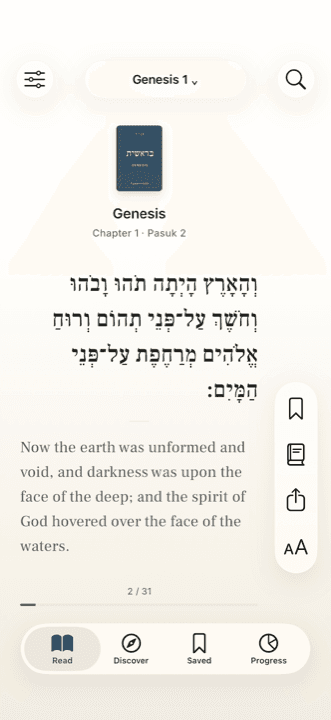
He carried our pains (Verses 4–6)
4אָכֵן חֳלָיֵנוּ הוּא נָשָׂא וּמַכְאֹבֵינוּ סְבָלָם וַאֲנַחְנוּ חֲשַׁבְנֻהוּ נָגוּעַ מֻכֵּה אֱלֹהִים וּמְעֻנֶּה׃
Surely our diseases he did bear, and our pains he carried; Whereas we did esteem him stricken, Smitten of God, and afflicted.
5וְהוּא מְחֹלָל מִפְּשָׁעֵנוּ מְדֻכָּא מֵעֲוֺנֹתֵינוּ מוּסַר שְׁלוֹמֵנוּ עָלָיו וּבַחֲבֻרָתוֹ נִרְפָּא־לָנוּ׃
But he was wounded because of our transgressions, He was crushed because of our iniquities: The chastisement of our welfare was upon him, And with his stripes we were healed.
6כֻּלָּנוּ כַּצֹּאן תָּעִינוּ אִישׁ לְדַרְכּוֹ פָּנִינוּ וַיהוָה הִפְגִּיעַ בּוֹ אֵת עֲוֺן כֻּלָּנוּ׃
All we like sheep did go astray, We turned every one to his own way; And the LORD hath made to light on him The iniquity of us all.
Like a lamb led to the slaughter (Verses 7–9)
7נִגַּשׂ וְהוּא נַעֲנֶה וְלֹא יִפְתַּח־פִּיו כַּשֶּׂה לַטֶּבַח יוּבָל וּכְרָחֵל לִפְנֵי גֹזְזֶיהָ נֶאֱלָמָה וְלֹא יִפְתַּח פִּיו׃
He was oppressed, though he humbled himself And opened not his mouth; As a lamb that is led to the slaughter, And as a sheep that before her shearers is dumb; Yea, he opened not his mouth.
8מֵעֹצֶר וּמִמִּשְׁפָּט לֻקָּח וְאֶת־דּוֹרוֹ מִי יְשׂוֹחֵחַ כִּי נִגְזַר מֵאֶרֶץ חַיִּים מִפֶּשַׁע עַמִּי נֶגַע לָמוֹ׃
By oppression and judgment he was taken away, And with his generation who did reason? For he was cut off out of the land of the living, For the transgression of my people to whom the stroke was due.
9וַיִּתֵּן אֶת־רְשָׁעִים קִבְרוֹ וְאֶת־עָשִׁיר בְּמֹתָיו עַל לֹא־חָמָס עָשָׂה וְלֹא מִרְמָה בְּפִיו׃
And they made his grave with the wicked, And with the rich his tomb; Although he had done no violence, Neither was any deceit in his mouth.’
He shall see his offspring (Verses 10–12)
10וַיהוָה חָפֵץ דַּכְּאוֹ הֶחֱלִי אִם־תָּשִׂים אָשָׁם נַפְשׁוֹ יִרְאֶה זֶרַע יַאֲרִיךְ יָמִים וְחֵפֶץ יְהוָה בְּיָדוֹ יִצְלָח׃
Yet it pleased the LORD to crush him by disease; To see if his soul would offer itself in restitution, That he might see his seed, prolong his days, And that the purpose of the LORD might prosper by his hand:
11מֵעֲמַל נַפְשׁוֹ יִרְאֶה יִשְׂבָּע בְּדַעְתּוֹ יַצְדִּיק צַדִּיק עַבְדִּי לָרַבִּים וַעֲוֺנֹתָם הוּא יִסְבֹּל׃
Of the travail of his soul he shall see to the full, even My servant, Who by his knowledge did justify the Righteous One to the many, And their iniquities he did bear.
12לָכֵן אֲחַלֶּק־לוֹ בָרַבִּים וְאֶת־עֲצוּמִים יְחַלֵּק שָׁלָל תַּחַת אֲשֶׁר הֶעֱרָה לַמָּוֶת נַפְשׁוֹ וְאֶת־פֹּשְׁעִים נִמְנָה וְהוּא חֵטְא־רַבִּים נָשָׂא וְלַפֹּשְׁעִים יַפְגִּיעַ׃
Therefore will I divide him a portion among the great, And he shall divide the spoil with the mighty; Because he bared his soul unto death, And was numbered with the transgressors; Yet he bore the sin of many, And made intercession for the transgressors.
Worth noticing
Rashi and many Jewish commentators read the servant as the people of Israel, or its righteous, suffering among the nations, and the speakers of verses 1 to 9 as the nations, astonished to see Israel exalted at last. The book itself has already named the servant as Israel in chapters 41, 44 and 49.
Related reading
- Can you learn Biblical Hebrew just by reading the Torah side by side?
- What is the Tanakh? Torah, Nevi'im and Ketuvim explained