 Torah Feed
Isaiah 17: Damascus in ruins, and the roar of the nations
Isaiah foretells the ruin of Damascus and of its ally Ephraim, and the sudden end of the nations that threaten Israel. Damascus becomes a heap of rubble, and the glory of Jacob grows thin, like a reaped field or an olive tree with a few berries left at the top. In that day people will turn from their altars and idols to their Maker, for they had forgotten the Rock of their strength. The nations rush in like roaring seas, but God rebukes them and they flee like chaff: at evening there is terror, and before morning they are gone.
Updated November 14, 2026
- Verses
- 14
- Section
- Nevi'im
- Key verse
- Verse 7
In this chapter
- Verses 1–3Damascus a heap of ruins
- Verses 4–6The glory of Jacob made thin
- Verses 7–11Eyes turned to the Maker
- Verses 12–14The roar of the nations stilled
Isaiah 17 in Hebrew and English
The Hebrew with full nikud beside the JPS 1917 English, both in the public domain. The summary, headings and notes on this page are Torah Feed's own.
Damascus a heap of ruins (Verses 1–3)
1מַשָּׂא דַּמָּשֶׂק הִנֵּה דַמֶּשֶׂק מוּסָר מֵעִיר וְהָיְתָה מְעִי מַפָּלָה׃
The burden of Damascus. Behold, Damascus is taken away from being a city, And it shall be a ruinous heap.
2עֲזֻבוֹת עָרֵי עֲרֹעֵר לַעֲדָרִים תִּהְיֶינָה וְרָבְצוּ וְאֵין מַחֲרִיד׃
The cities of Aroer are forsaken; They shall be for flocks, Which shall lie down, and none shall make them afraid.
3וְנִשְׁבַּת מִבְצָר מֵאֶפְרַיִם וּמַמְלָכָה מִדַּמֶּשֶׂק וּשְׁאָר אֲרָם כִּכְבוֹד בְּנֵי־יִשְׂרָאֵל יִהְיוּ נְאֻם יְהוָה צְבָאוֹת׃
The fortress also shall cease from Ephraim, and the kingdom from Damascus; and the remnant of Aram shall be as the glory of the children of Israel, saith the LORD of hosts.
Read Isaiah 17 one verse per screen and keep your place in Torah Feed.
Get the app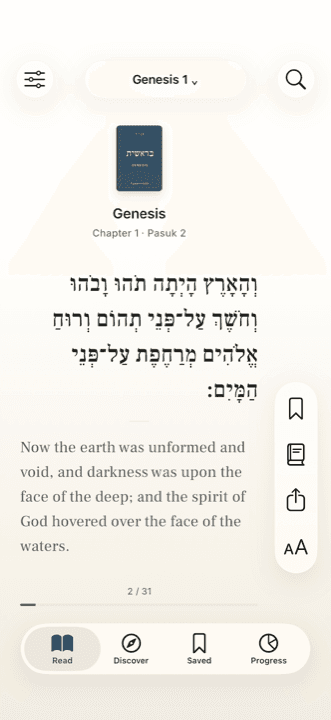
The glory of Jacob made thin (Verses 4–6)
4וְהָיָה בַּיּוֹם הַהוּא יִדַּל כְּבוֹד יַעֲקֹב וּמִשְׁמַן בְּשָׂרוֹ יֵרָזֶה׃
And it shall come to pass in that day, That the glory of Jacob shall be made thin, And the fatness of his flesh shall wax lean.
5וְהָיָה כֶּאֱסֹף קָצִיר קָמָה וּזְרֹעוֹ שִׁבֳּלִים יִקְצוֹר וְהָיָה כִּמְלַקֵּט שִׁבֳּלִים בְּעֵמֶק רְפָאִים׃
And it shall be as when the harvestman gathereth the standing corn, And reapeth the ears with his arm; Yea, it shall be as when one gleaneth ears In the valley of Rephaim.
6וְנִשְׁאַר־בּוֹ עוֹלֵלֹת כְּנֹקֶף זַיִת שְׁנַיִם שְׁלֹשָׁה גַּרְגְּרִים בְּרֹאשׁ אָמִיר אַרְבָּעָה חֲמִשָּׁה בִּסְעִפֶיהָ פֹּרִיָּה נְאֻם־יְהוָה אֱלֹהֵי יִשְׂרָאֵל׃
Yet there shall be left therein gleanings, As at the beating of an olive-tree, Two or three berries In the top of the uppermost bough, Four or five in the branches of the fruitful tree, Saith the LORD, the God of Israel.
Eyes turned to the Maker (Verses 7–11)
Key verse
7בַּיּוֹם הַהוּא יִשְׁעֶה הָאָדָם עַל־עֹשֵׂהוּ וְעֵינָיו אֶל־קְדוֹשׁ יִשְׂרָאֵל תִּרְאֶינָה׃
In that day shall a man regard his Maker, And his eyes shall look to the Holy One of Israel.
8וְלֹא יִשְׁעֶה אֶל־הַמִּזְבְּחוֹת מַעֲשֵׂה יָדָיו וַאֲשֶׁר עָשׂוּ אֶצְבְּעֹתָיו לֹא יִרְאֶה וְהָאֲשֵׁרִים וְהָחַמָּנִים׃
And he shall not regard the altars, The work of his hands, Neither shall he look to that which his fingers have made, Either the Asherim, or the sun-images.
9בַּיּוֹם הַהוּא יִהְיוּ עָרֵי מָעֻזּוֹ כַּעֲזוּבַת הַחֹרֶשׁ וְהָאָמִיר אֲשֶׁר עָזְבוּ מִפְּנֵי בְּנֵי יִשְׂרָאֵל וְהָיְתָה שְׁמָמָה׃
In that day shall his strong cities be as the forsaken places, which were forsaken from before the children of Israel, after the manner of woods and lofty forests; and it shall be a desolation.
10כִּי שָׁכַחַתְּ אֱלֹהֵי יִשְׁעֵךְ וְצוּר מָעֻזֵּךְ לֹא זָכָרְתְּ עַל־כֵּן תִּטְּעִי נִטְעֵי נַעֲמָנִים וּזְמֹרַת זָר תִּזְרָעֶנּוּ׃
For thou hast forgotten the God of thy salvation, And thou hast not been mindful of the Rock of thy stronghold; Therefore thou didst plant plants of pleasantness, And didst set it with slips of a stranger;
11בְּיוֹם נִטְעֵךְ תְּשַׂגְשֵׂגִי וּבַבֹּקֶר זַרְעֵךְ תַּפְרִיחִי נֵד קָצִיר בְּיוֹם נַחֲלָה וּכְאֵב אָנוּשׁ׃
In the day of thy planting thou didst make it to grow, And in the morning thou didst make thy seed to blossom, A heap of boughs in the day of grief And of desperate pain.
The roar of the nations stilled (Verses 12–14)
12הוֹי הֲמוֹן עַמִּים רַבִּים כַּהֲמוֹת יַמִּים יֶהֱמָיוּן וּשְׁאוֹן לְאֻמִּים כִּשְׁאוֹן מַיִם כַּבִּירִים יִשָּׁאוּן׃
Ah, the uproar of many peoples, That roar like the roaring of the seas; And the rushing of nations, that rush like the rushing of mighty waters!
13לְאֻמִּים כִּשְׁאוֹן מַיִם רַבִּים יִשָּׁאוּן וְגָעַר בּוֹ וְנָס מִמֶּרְחָק וְרֻדַּף כְּמֹץ הָרִים לִפְנֵי־רוּחַ וּכְגַלְגַּל לִפְנֵי סוּפָה׃
The nations shall rush like the rushing of many waters; But He shall rebuke them, and they shall flee far off, And shall be chased as the chaff of the mountains before the wind, And like the whirling dust before the storm.
14לְעֵת עֶרֶב וְהִנֵּה בַלָּהָה בְּטֶרֶם בֹּקֶר אֵינֶנּוּ זֶה חֵלֶק שׁוֹסֵינוּ וְגוֹרָל לְבֹזְזֵינוּ׃
At eventide behold terror; And before the morning they are not. This is the portion of them that spoil us, And the lot of them that rob us.
Worth noticing
The olive-tree image of verse 6 uses the Torah's own harvest language. Deuteronomy 24 tells farmers not to go over the olive boughs a second time but to leave what remains for the stranger, the orphan and the widow. After God's harvest of Israel, only such gleanings will be left, two or three berries at the very top.
Related reading
- Can you learn Biblical Hebrew just by reading the Torah side by side?
- What is the Tanakh? Torah, Nevi'im and Ketuvim explained