 Torah Feed
Exodus 1: A new king and the oppression of Israel
Jacob's descendants multiply in Egypt until a new Pharaoh, fearing their numbers, enslaves them and orders their baby boys killed. The seventy who came down with Jacob become a great people. The new king, who knew not Joseph, sets taskmasters over them to build store cities, yet the more they are oppressed, the more they grow. Pharaoh tells the Hebrew midwives Shiphrah and Puah to kill every newborn boy, but they fear God and let the boys live, and God rewards them. Pharaoh then orders his whole people to throw every Hebrew son into the Nile.
Updated November 14, 2026
In this chapter
- Verses 1–7Seventy souls become a people
- Verses 8–14A king who knew not Joseph
- Verses 15–22The midwives defy Pharaoh's decree
Exodus 1 in Hebrew and English
The Hebrew with full nikud beside the JPS 1917 English, both in the public domain. The summary, headings and notes on this page are Torah Feed's own.
Seventy souls become a people (Verses 1–7)
1וְאֵלֶּה שְׁמוֹת בְּנֵי יִשְׂרָאֵל הַבָּאִים מִצְרָיְמָה אֵת יַעֲקֹב אִישׁ וּבֵיתוֹ בָּאוּ׃
NOW THESE are the names of the sons of Israel, who came into Egypt with Jacob; every man came with his household:
Rashi on verse 1
ואלה שמות בני ישראל NOW THESE ARE THE NAMES OF THE CHILDREN OF ISRAEL: Although scripture has already enumerated them by name whilst they were living, when they went down into Egypt (Genesis 46:8-27), it again enumerates them when it tells us of their death, thus showing how dear they were to God, that they are compared to the stars which also God brings out and brings in by number and name when they cease to shine …
Rashi has 30 more comments on Exodus 1. Torah Feed shows them beside each verse, in Hebrew and English.
Get the app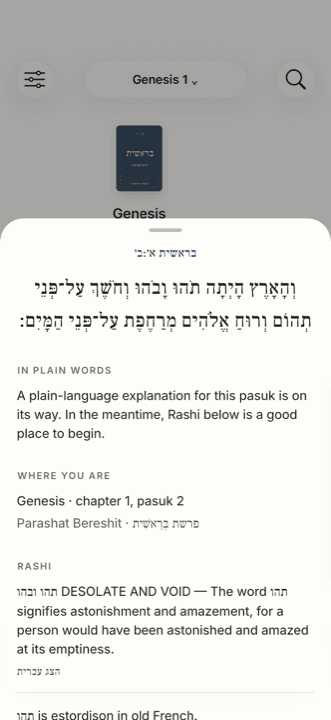
2רְאוּבֵן שִׁמְעוֹן לֵוִי וִיהוּדָה׃
Reuben, Simeon, Levi, and Judah;
3יִשָּׂשכָר זְבוּלֻן וּבְנְיָמִן׃
Issachar, Zebulun, and Benjamin;
4דָּן וְנַפְתָּלִי גָּד וְאָשֵׁר׃
Dan and Naphtali, Gad and Asher.
5וַיְהִי כָּל־נֶפֶשׁ יֹצְאֵי יֶרֶךְ־יַעֲקֹב שִׁבְעִים נָפֶשׁ וְיוֹסֵף הָיָה בְמִצְרָיִם׃
And all the souls that came out of the loins of Jacob were seventy souls; and Joseph was in Egypt already.
6וַיָּמָת יוֹסֵף וְכָל־אֶחָיו וְכֹל הַדּוֹר הַהוּא׃
And Joseph died, and all his brethren, and all that generation.
7וּבְנֵי יִשְׂרָאֵל פָּרוּ וַיִּשְׁרְצוּ וַיִּרְבּוּ וַיַּעַצְמוּ בִּמְאֹד מְאֹד וַתִּמָּלֵא הָאָרֶץ אֹתָם׃
And the children of Israel were fruitful, and increased abundantly, and multiplied, and waxed exceeding mighty; and the land was filled with them.
A king who knew not Joseph (Verses 8–14)
Key verse
8וַיָּקָם מֶלֶךְ־חָדָשׁ עַל־מִצְרָיִם אֲשֶׁר לֹא־יָדַע אֶת־יוֹסֵף׃
Now there arose a new king over Egypt, who knew not Joseph.
9וַיֹּאמֶר אֶל־עַמּוֹ הִנֵּה עַם בְּנֵי יִשְׂרָאֵל רַב וְעָצוּם מִמֶּנּוּ׃
And he said unto his people: ‘Behold, the people of the children of Israel are too many and too mighty for us;
10הָבָה נִתְחַכְּמָה לוֹ פֶּן־יִרְבֶּה וְהָיָה כִּי־תִקְרֶאנָה מִלְחָמָה וְנוֹסַף גַּם־הוּא עַל־שֹׂנְאֵינוּ וְנִלְחַם־בָּנוּ וְעָלָה מִן־הָאָרֶץ׃
come, let us deal wisely with them, lest they multiply, and it come to pass, that, when there befalleth us any war, they also join themselves unto our enemies, and fight against us, and get them up out of the land.’
11וַיָּשִׂימוּ עָלָיו שָׂרֵי מִסִּים לְמַעַן עַנֹּתוֹ בְּסִבְלֹתָם וַיִּבֶן עָרֵי מִסְכְּנוֹת לְפַרְעֹה אֶת־פִּתֹם וְאֶת־רַעַמְסֵס׃
Therefore they did set over them taskmasters to afflict them with their burdens. And they built for Pharaoh store-cities, Pithom and Raamses.
12וְכַאֲשֶׁר יְעַנּוּ אֹתוֹ כֵּן יִרְבֶּה וְכֵן יִפְרֹץ וַיָּקֻצוּ מִפְּנֵי בְּנֵי יִשְׂרָאֵל׃
But the more they afflicted them, the more they multiplied and the more they spread abroad. And they were adread because of the children of Israel.
13וַיַּעֲבִדוּ מִצְרַיִם אֶת־בְּנֵי יִשְׂרָאֵל בְּפָרֶךְ׃
And the Egyptians made the children of Israel to serve with rigour.
14וַיְמָרְרוּ אֶת־חַיֵּיהֶם בַּעֲבֹדָה קָשָׁה בְּחֹמֶר וּבִלְבֵנִים וּבְכָל־עֲבֹדָה בַּשָּׂדֶה אֵת כָּל־עֲבֹדָתָם אֲשֶׁר־עָבְדוּ בָהֶם בְּפָרֶךְ׃
And they made their lives bitter with hard service, in mortar and in brick, and in all manner of service in the field; in all their service, wherein they made them serve with rigour.
The midwives defy Pharaoh's decree (Verses 15–22)
15וַיֹּאמֶר מֶלֶךְ מִצְרַיִם לַמְיַלְּדֹת הָעִבְרִיֹּת אֲשֶׁר שֵׁם הָאַחַת שִׁפְרָה וְשֵׁם הַשֵּׁנִית פּוּעָה׃
And the king of Egypt spoke to the Hebrew midwives, of whom the name of the one was Shiphrah, and the name of the other Puah;
16וַיֹּאמֶר בְּיַלֶּדְכֶן אֶת־הָעִבְרִיּוֹת וּרְאִיתֶן עַל־הָאָבְנָיִם אִם־בֵּן הוּא וַהֲמִתֶּן אֹתוֹ וְאִם־בַּת הִיא וָחָיָה׃
and he said: ‘When ye do the office of a midwife to the Hebrew women, ye shall look upon the birthstool: if it be a son, then ye shall kill him; but if it be a daughter, then she shall live.’
17וַתִּירֶאןָ הַמְיַלְּדֹת אֶת־הָאֱלֹהִים וְלֹא עָשׂוּ כַּאֲשֶׁר דִּבֶּר אֲלֵיהֶן מֶלֶךְ מִצְרָיִם וַתְּחַיֶּיןָ אֶת־הַיְלָדִים׃
But the midwives feared God, and did not as the king of Egypt commanded them, but saved the men-children alive.
18וַיִּקְרָא מֶלֶךְ־מִצְרַיִם לַמְיַלְּדֹת וַיֹּאמֶר לָהֶן מַדּוּעַ עֲשִׂיתֶן הַדָּבָר הַזֶּה וַתְּחַיֶּיןָ אֶת־הַיְלָדִים׃
And the king of Egypt called for the midwives, and said unto them: ‘Why have ye done this thing, and have saved the men-children alive?’
19וַתֹּאמַרְןָ הַמְיַלְּדֹת אֶל־פַּרְעֹה כִּי לֹא כַנָּשִׁים הַמִּצְרִיֹּת הָעִבְרִיֹּת כִּי־חָיוֹת הֵנָּה בְּטֶרֶם תָּבוֹא אֲלֵהֶן הַמְיַלֶּדֶת וְיָלָדוּ׃
And the midwives said unto Pharaoh: ‘Because the Hebrew women are not as the Egyptian women; for they are lively, and are delivered ere the midwife come unto them.’
20וַיֵּיטֶב אֱלֹהִים לַמְיַלְּדֹת וַיִּרֶב הָעָם וַיַּעַצְמוּ מְאֹד׃
And God dealt well with the midwives; and the people multiplied, and waxed very mighty.
21וַיְהִי כִּי־יָרְאוּ הַמְיַלְּדֹת אֶת־הָאֱלֹהִים וַיַּעַשׂ לָהֶם בָּתִּים׃
And it came to pass, because the midwives feared God, that He made them houses.
22וַיְצַו פַּרְעֹה לְכָל־עַמּוֹ לֵאמֹר כָּל־הַבֵּן הַיִּלּוֹד הַיְאֹרָה תַּשְׁלִיכֻהוּ וְכָל־הַבַּת תְּחַיּוּן׃
And Pharaoh charged all his people, saying: ‘Every son that is born ye shall cast into the river, and every daughter ye shall save alive.’
Worth noticing
The book takes its Hebrew name, Shemot, names, from its opening words. The first act of resistance belongs to two women, the midwives Shiphrah and Puah, who fear God more than Pharaoh, and the Talmud teaches that Israel was redeemed from Egypt in the merit of the righteous women of that generation.
Related reading
- Rashi's commentary on the Torah in English
- Shnayim mikra ve'echad targum: a practical guide for a busy week
- How to read the Torah in a year
- Can you learn Biblical Hebrew just by reading the Torah side by side?