 Torah Feed
Deuteronomy 21: The unsolved murder and the rebellious son
This chapter gathers laws on an unsolved murder, a captive bride, a firstborn's rights, a rebellious son and the burial of the executed. When a body is found and the killer is unknown, the elders of the nearest town break a heifer's neck in an untilled valley, wash their hands and declare that they did not shed this blood. A soldier who wants to marry a captive woman must let her mourn her parents for a month, and may never sell her. A firstborn son receives a double share even if his mother is the less-loved wife. A stubborn and rebellious son may be brought by both parents before the elders. The body of an executed man must be buried the same day.
Updated November 14, 2026
- Verses
- 23
- Parashot
- Shoftim, Ki Teitzei
- Key verse
- Verse 7
In this chapter
- Verses 1–9The heifer for an unsolved murder
- Verses 10–14The captive woman
- Verses 15–17The firstborn of the unloved wife
- Verses 18–21The stubborn and rebellious son
- Verses 22–23Burial on the same day
Deuteronomy 21 in Hebrew and English
The Hebrew with full nikud beside the JPS 1917 English, both in the public domain. The summary, headings and notes on this page are Torah Feed's own.
The heifer for an unsolved murder (Verses 1–9)
1כִּי־יִמָּצֵא חָלָל בָּאֲדָמָה אֲשֶׁר יְהוָה אֱלֹהֶיךָ נֹתֵן לְךָ לְרִשְׁתָּהּ נֹפֵל בַּשָּׂדֶה לֹא נוֹדַע מִי הִכָּהוּ׃
If one be found slain in the land which the LORD thy God giveth thee to possess it, lying in the field, and it be not known who hath smitten him;
2וְיָצְאוּ זְקֵנֶיךָ וְשֹׁפְטֶיךָ וּמָדְדוּ אֶל־הֶעָרִים אֲשֶׁר סְבִיבֹת הֶחָלָל׃
then thy elders and thy judges shall come forth, and they shall measure unto the cities which are round about him that is slain.
Rashi on verse 2
ויצאו זקניך THEN THE ELDERS [AND THE JUDGES] SHALL GO FORTH: i.e. the distinguished amongst thy elders, these are the Great Sanhedrin (Sotah 44b).
Rashi has 26 more comments on Deuteronomy 21. Torah Feed shows them beside each verse, in Hebrew and English.
Get the app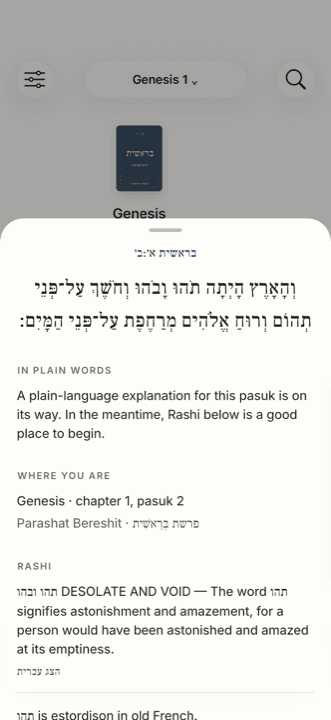
3וְהָיָה הָעִיר הַקְּרֹבָה אֶל־הֶחָלָל וְלָקְחוּ זִקְנֵי הָעִיר הַהִוא עֶגְלַת בָּקָר אֲשֶׁר לֹא־עֻבַּד בָּהּ אֲשֶׁר לֹא־מָשְׁכָה בְּעֹל׃
And it shall be, that the city which is nearest unto the slain man, even the elders of that city shall take a heifer of the herd, which hath not been wrought with, and which hath not drawn in the yoke.
4וְהוֹרִדוּ זִקְנֵי הָעִיר הַהִוא אֶת־הָעֶגְלָה אֶל־נַחַל אֵיתָן אֲשֶׁר לֹא־יֵעָבֵד בּוֹ וְלֹא יִזָּרֵעַ וְעָרְפוּ־שָׁם אֶת־הָעֶגְלָה בַּנָּחַל׃
And the elders of that city shall bring down the heifer unto a rough valley, which may neither be plowed nor sown, and shall break the heifer’s neck there in the valley.
5וְנִגְּשׁוּ הַכֹּהֲנִים בְּנֵי לֵוִי כִּי בָם בָּחַר יְהוָה אֱלֹהֶיךָ לְשָׁרְתוֹ וּלְבָרֵךְ בְּשֵׁם יְהוָה וְעַל־פִּיהֶם יִהְיֶה כָּל־רִיב וְכָל־נָגַע׃
And the priests the sons of Levi shall come near, for them the LORD thy God hath chosen to minister unto Him, and to bless in the name of the LORD; and according to their word shall every controversy and every stroke be.
6וְכֹל זִקְנֵי הָעִיר הַהִוא הַקְּרֹבִים אֶל־הֶחָלָל יִרְחֲצוּ אֶת־יְדֵיהֶם עַל־הָעֶגְלָה הָעֲרוּפָה בַנָּחַל׃
And all the elders of that city, who are nearest unto the slain man, shall wash their hands over the heifer whose neck was broken in the valley.
Key verse
7וְעָנוּ וְאָמְרוּ יָדֵינוּ לֹא שפכה [שָׁפְכוּ] אֶת־הַדָּם הַזֶּה וְעֵינֵינוּ לֹא רָאוּ׃
And they shall speak and say: ‘Our hands have not shed this blood, neither have our eyes seen it.
8כַּפֵּר לְעַמְּךָ יִשְׂרָאֵל אֲשֶׁר־פָּדִיתָ יְהוָה וְאַל־תִּתֵּן דָּם נָקִי בְּקֶרֶב עַמְּךָ יִשְׂרָאֵל וְנִכַּפֵּר לָהֶם הַדָּם׃
Forgive, O LORD, Thy people Israel, whom Thou hast redeemed, and suffer not innocent blood to remain in the midst of Thy people Israel.’ And the blood shall be forgiven them.
9וְאַתָּה תְּבַעֵר הַדָּם הַנָּקִי מִקִּרְבֶּךָ כִּי־תַעֲשֶׂה הַיָּשָׁר בְּעֵינֵי יְהוָה׃
So shalt thou put away the innocent blood from the midst of thee, when thou shalt do that which is right in the eyes of the LORD.
The captive woman (Verses 10–14)
10כִּי־תֵצֵא לַמִּלְחָמָה עַל־אֹיְבֶיךָ וּנְתָנוֹ יְהוָה אֱלֹהֶיךָ בְּיָדֶךָ וְשָׁבִיתָ שִׁבְיוֹ׃
When thou goest forth to battle against thine enemies, and the LORD thy God delivereth them into thy hands, and thou carriest them away captive,
11וְרָאִיתָ בַּשִּׁבְיָה אֵשֶׁת יְפַת־תֹּאַר וְחָשַׁקְתָּ בָהּ וְלָקַחְתָּ לְךָ לְאִשָּׁה׃
and seest among the captives a woman of goodly form, and thou hast a desire unto her, and wouldest take her to thee to wife;
12וַהֲבֵאתָהּ אֶל־תּוֹךְ בֵּיתֶךָ וְגִלְּחָה אֶת־רֹאשָׁהּ וְעָשְׂתָה אֶת־צִפָּרְנֶיהָ׃
then thou shalt bring her home to thy house; and she shall shave her head, and pare her nails;
13וְהֵסִירָה אֶת־שִׂמְלַת שִׁבְיָהּ מֵעָלֶיהָ וְיָשְׁבָה בְּבֵיתֶךָ וּבָכְתָה אֶת־אָבִיהָ וְאֶת־אִמָּהּ יֶרַח יָמִים וְאַחַר כֵּן תָּבוֹא אֵלֶיהָ וּבְעַלְתָּהּ וְהָיְתָה לְךָ לְאִשָּׁה׃
and she shall put the raiment of her captivity from off her, and shall remain in thy house, and bewail her father and her mother a full month; and after that thou mayest go in unto her, and be her husband, and she shall be thy wife.
14וְהָיָה אִם־לֹא חָפַצְתָּ בָּהּ וְשִׁלַּחְתָּהּ לְנַפְשָׁהּ וּמָכֹר לֹא־תִמְכְּרֶנָּה בַּכָּסֶף לֹא־תִתְעַמֵּר בָּהּ תַּחַת אֲשֶׁר עִנִּיתָהּ׃
And it shall be, if thou have no delight in her, then thou shalt let her go whither she will; but thou shalt not sell her at all for money, thou shalt not deal with her as a slave, because thou hast humbled her.
The firstborn of the unloved wife (Verses 15–17)
15כִּי־תִהְיֶיןָ לְאִישׁ שְׁתֵּי נָשִׁים הָאַחַת אֲהוּבָה וְהָאַחַת שְׂנוּאָה וְיָלְדוּ־לוֹ בָנִים הָאֲהוּבָה וְהַשְּׂנוּאָה וְהָיָה הַבֵּן הַבְּכוֹר לַשְּׂנִיאָה׃
If a man have two wives, the one beloved, and the other hated, and they have borne him children, both the beloved and the hated; and if the first-born son be hers that was hated;
16וְהָיָה בְּיוֹם הַנְחִילוֹ אֶת־בָּנָיו אֵת אֲשֶׁר־יִהְיֶה לוֹ לֹא יוּכַל לְבַכֵּר אֶת־בֶּן־הָאֲהוּבָה עַל־פְּנֵי בֶן־הַשְּׂנוּאָה הַבְּכֹר׃
then it shall be, in the day that he causeth his sons to inherit that which he hath, that he may not make the son of the beloved the first-born before the son of the hated, who is the first-born;
17כִּי אֶת־הַבְּכֹר בֶּן־הַשְּׂנוּאָה יַכִּיר לָתֶת לוֹ פִּי שְׁנַיִם בְּכֹל אֲשֶׁר־יִמָּצֵא לוֹ כִּי־הוּא רֵאשִׁית אֹנוֹ לוֹ מִשְׁפַּט הַבְּכֹרָה׃
but he shall acknowledge the first-born, the son of the hated, by giving him a double portion of all that he hath; for he is the first-fruits of his strength, the right of the first-born is his.
The stubborn and rebellious son (Verses 18–21)
18כִּי־יִהְיֶה לְאִישׁ בֵּן סוֹרֵר וּמוֹרֶה אֵינֶנּוּ שֹׁמֵעַ בְּקוֹל אָבִיו וּבְקוֹל אִמּוֹ וְיסְּרוּ אֹתוֹ וְלֹא יִשְׁמַע אֲלֵיהֶם׃
If a man have a stubborn and rebellious son, that will not hearken to the voice of his father, or the voice of his mother, and though they chasten him, will not hearken unto them;
19וְתָפְשׂוּ בוֹ אָבִיו וְאִמּוֹ וְהוֹצִיאוּ אֹתוֹ אֶל־זִקְנֵי עִירוֹ וְאֶל־שַׁעַר מְקֹמוֹ׃
then shall his father and his mother lay hold on him, and bring him out unto the elders of his city, and unto the gate of his place;
20וְאָמְרוּ אֶל־זִקְנֵי עִירוֹ בְּנֵנוּ זֶה סוֹרֵר וּמֹרֶה אֵינֶנּוּ שֹׁמֵעַ בְּקֹלֵנוּ זוֹלֵל וְסֹבֵא׃
and they shall say unto the elders of his city: ‘This our son is stubborn and rebellious, he doth not hearken to our voice; he is a glutton, and a drunkard.’
21וּרְגָמֻהוּ כָּל־אַנְשֵׁי עִירוֹ בָאֲבָנִים וָמֵת וּבִעַרְתָּ הָרָע מִקִּרְבֶּךָ וְכָל־יִשְׂרָאֵל יִשְׁמְעוּ וְיִרָאוּ׃
And all the men of his city shall stone him with stones, that he die; so shalt thou put away the evil from the midst of thee; and all Israel shall hear, and fear.
Burial on the same day (Verses 22–23)
22וְכִי־יִהְיֶה בְאִישׁ חֵטְא מִשְׁפַּט־מָוֶת וְהוּמָת וְתָלִיתָ אֹתוֹ עַל־עֵץ׃
And if a man have committed a sin worthy of death, and he be put to death, and thou hang him on a tree;
23לֹא־תָלִין נִבְלָתוֹ עַל־הָעֵץ כִּי־קָבוֹר תִּקְבְּרֶנּוּ בַּיּוֹם הַהוּא כִּי־קִלְלַת אֱלֹהִים תָּלוּי וְלֹא תְטַמֵּא אֶת־אַדְמָתְךָ אֲשֶׁר יְהוָה אֱלֹהֶיךָ נֹתֵן לְךָ נַחֲלָה׃
his body shall not remain all night upon the tree, but thou shalt surely bury him the same day; for he that is hanged is a reproach unto God; that thou defile not thy land which the LORD thy God giveth thee for an inheritance.
Worth noticing
Would anyone suspect the elders of murder? The Talmud explains their words, "Our hands have not shed this blood", as a claim of care: we did not send the traveller away without food or leave him to go on alone. A whole town is held responsible for a stranger on its road. The portion Ki Teitzei begins at verse 10.
Related reading
- Rashi's commentary on the Torah in English
- Shnayim mikra ve'echad targum: a practical guide for a busy week
- How to read the Torah in a year
- Can you learn Biblical Hebrew just by reading the Torah side by side?