 Torah Feed
Deuteronomy 15: The year of release and an open hand
Every seventh year, creditors must release what they have lent to their fellow Israelites. There should be no needy among them, yet there will always be poor in the land, so Israel must open its hand and lend generously, and never refuse because the year of release is near. A Hebrew servant goes free after six years, and must not be sent away empty-handed but given generously from flock, threshing-floor and winepress; one who wishes to stay has his ear pierced at the door. Firstborn male animals are holy and eaten before God, unless blemished.
Updated November 14, 2026
In this chapter
- Verses 1–6The year of release
- Verses 7–11Open your hand to the needy
- Verses 12–18Freeing the Hebrew servant
- Verses 19–23Firstborn animals
Deuteronomy 15 in Hebrew and English
The Hebrew with full nikud beside the JPS 1917 English, both in the public domain. The summary, headings and notes on this page are Torah Feed's own.
The year of release (Verses 1–6)
1מִקֵּץ שֶׁבַע־שָׁנִים תַּעֲשֶׂה שְׁמִטָּה׃
At the end of every seven years thou shalt make a release.
Rashi on verse 1
מקץ שבע שנים AT THE END OF SEVEN YEARS [THOU SHALT MAKE A REMISSION]: One might think that this means seven years after each individual loan! Scripture, however, states, (v. 9) “[Take heed unto thyself lest there be in thy heart a word of worthlessness, saying], The seventh year … approacheth [and thine eye be evil against thy brother and thou givest him nought]”! Now, if you say that the seven years spoken of here …
Rashi has 46 more comments on Deuteronomy 15. Torah Feed shows them beside each verse, in Hebrew and English.
Get the app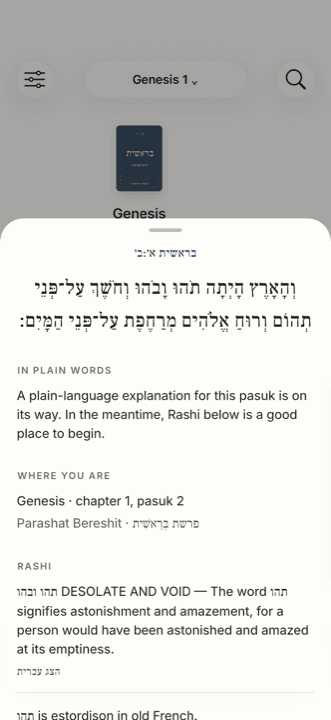
2וְזֶה דְּבַר הַשְּׁמִטָּה שָׁמוֹט כָּל־בַּעַל מַשֵּׁה יָדוֹ אֲשֶׁר יַשֶּׁה בְּרֵעֵהוּ לֹא־יִגֹּשׂ אֶת־רֵעֵהוּ וְאֶת־אָחִיו כִּי־קָרָא שְׁמִטָּה לַיהוָה׃
And this is the manner of the release: every creditor shall release that which he hath lent unto his neighbour; he shall not exact it of his neighbour and his brother; because the LORD’S release hath been proclaimed.
3אֶת־הַנָּכְרִי תִּגֹּשׂ וַאֲשֶׁר יִהְיֶה לְךָ אֶת־אָחִיךָ תַּשְׁמֵט יָדֶךָ׃
Of a foreigner thou mayest exact it; but whatsoever of thine is with thy brother thy hand shall release.
4אֶפֶס כִּי לֹא יִהְיֶה־בְּךָ אֶבְיוֹן כִּי־בָרֵךְ יְבָרֶכְךָ יְהוָה בָּאָרֶץ אֲשֶׁר יְהוָה אֱלֹהֶיךָ נֹתֵן־לְךָ נַחֲלָה לְרִשְׁתָּהּ׃
Howbeit there shall be no needy among you, for the LORD will surely bless thee in the land which the LORD thy God giveth thee for an inheritance to possess it
5רַק אִם־שָׁמוֹעַ תִּשְׁמַע בְּקוֹל יְהוָה אֱלֹהֶיךָ לִשְׁמֹר לַעֲשׂוֹת אֶת־כָּל־הַמִּצְוָה הַזֹּאת אֲשֶׁר אָנֹכִי מְצַוְּךָ הַיּוֹם׃
if only thou diligently hearken unto the voice of the LORD thy God, to observe to do all this commandment which I command thee this day.
6כִּי־יְהוָה אֱלֹהֶיךָ בֵּרַכְךָ כַּאֲשֶׁר דִּבֶּר־לָךְ וְהַעֲבַטְתָּ גּוֹיִם רַבִּים וְאַתָּה לֹא תַעֲבֹט וּמָשַׁלְתָּ בְּגוֹיִם רַבִּים וּבְךָ לֹא יִמְשֹׁלוּ׃
For the LORD thy God will bless thee, as He promised thee; and thou shalt lend unto many nations, but thou shalt not borrow; and thou shalt rule over many nations, but they shall not rule over thee.
Open your hand to the needy (Verses 7–11)
7כִּי־יִהְיֶה בְךָ אֶבְיוֹן מֵאַחַד אַחֶיךָ בְּאַחַד שְׁעָרֶיךָ בְּאַרְצְךָ אֲשֶׁר־יְהוָה אֱלֹהֶיךָ נֹתֵן לָךְ לֹא תְאַמֵּץ אֶת־לְבָבְךָ וְלֹא תִקְפֹּץ אֶת־יָדְךָ מֵאָחִיךָ הָאֶבְיוֹן׃
If there be among you a needy man, one of thy brethren, within any of thy gates, in thy land which the LORD thy God giveth thee, thou shalt not harden thy heart, nor shut thy hand from thy needy brother;
8כִּי־פָתֹחַ תִּפְתַּח אֶת־יָדְךָ לוֹ וְהַעֲבֵט תַּעֲבִיטֶנּוּ דֵּי מַחְסֹרוֹ אֲשֶׁר יֶחְסַר לוֹ׃
but thou shalt surely open thy hand unto him, and shalt surely lend him sufficient for his need in that which he wanteth.
9הִשָּׁמֶר לְךָ פֶּן־יִהְיֶה דָבָר עִם־לְבָבְךָ בְלִיַּעַל לֵאמֹר קָרְבָה שְׁנַת־הַשֶּׁבַע שְׁנַת הַשְּׁמִטָּה וְרָעָה עֵינְךָ בְּאָחִיךָ הָאֶבְיוֹן וְלֹא תִתֵּן לוֹ וְקָרָא עָלֶיךָ אֶל־יְהוָה וְהָיָה בְךָ חֵטְא׃
Beware that there be not a base thought in thy heart, saying: ‘The seventh year, the year of release, is at hand’; and thine eye be evil against thy needy brother, and thou give him nought; and he cry unto the LORD against thee, and it be sin in thee.
10נָתוֹן תִּתֵּן לוֹ וְלֹא־יֵרַע לְבָבְךָ בְּתִתְּךָ לוֹ כִּי בִּגְלַל הַדָּבָר הַזֶּה יְבָרֶכְךָ יְהוָה אֱלֹהֶיךָ בְּכָל־מַעֲשֶׂךָ וּבְכֹל מִשְׁלַח יָדֶךָ׃
Thou shalt surely give him, and thy heart shall not be grieved when thou givest unto him; because that for this thing the LORD thy God will bless thee in all thy work, and in all that thou puttest thy hand unto.
Key verse
11כִּי לֹא־יֶחְדַּל אֶבְיוֹן מִקֶּרֶב הָאָרֶץ עַל־כֵּן אָנֹכִי מְצַוְּךָ לֵאמֹר פָּתֹחַ תִּפְתַּח אֶת־יָדְךָ לְאָחִיךָ לַעֲנִיֶּךָ וּלְאֶבְיֹנְךָ בְּאַרְצֶךָ׃
For the poor shall never cease out of the land; therefore I command thee, saying: ‘Thou shalt surely open thy hand unto thy poor and needy brother, in thy land.’
Freeing the Hebrew servant (Verses 12–18)
12כִּי־יִמָּכֵר לְךָ אָחִיךָ הָעִבְרִי אוֹ הָעִבְרִיָּה וַעֲבָדְךָ שֵׁשׁ שָׁנִים וּבַשָּׁנָה הַשְּׁבִיעִת תְּשַׁלְּחֶנּוּ חָפְשִׁי מֵעִמָּךְ׃
If thy brother, a Hebrew man, or a Hebrew woman, be sold unto thee, he shall serve thee six years; and in the seventh year thou shalt let him go free from thee.
13וְכִי־תְשַׁלְּחֶנּוּ חָפְשִׁי מֵעִמָּךְ לֹא תְשַׁלְּחֶנּוּ רֵיקָם׃
And when thou lettest him go free from thee, thou shalt not let him go empty;
14הַעֲנֵיק תַּעֲנִיק לוֹ מִצֹּאנְךָ וּמִגָּרְנְךָ וּמִיִּקְבֶךָ אֲשֶׁר בֵּרַכְךָ יְהוָה אֱלֹהֶיךָ תִּתֶּן־לוֹ׃
thou shalt furnish him liberally out of thy flock, and out of thy threshing-floor, and out of thy winepress; of that wherewith the LORD thy God hath blessed thee thou shalt give unto him.
15וְזָכַרְתָּ כִּי עֶבֶד הָיִיתָ בְּאֶרֶץ מִצְרַיִם וַיִּפְדְּךָ יְהוָה אֱלֹהֶיךָ עַל־כֵּן אָנֹכִי מְצַוְּךָ אֶת־הַדָּבָר הַזֶּה הַיּוֹם׃
And thou shalt remember that thou wast a bondman in the land of Egypt, and the LORD thy God redeemed thee; therefore I command thee this thing to-day.
16וְהָיָה כִּי־יֹאמַר אֵלֶיךָ לֹא אֵצֵא מֵעִמָּךְ כִּי אֲהֵבְךָ וְאֶת־בֵּיתֶךָ כִּי־טוֹב לוֹ עִמָּךְ׃
And it shall be, if he say unto thee: ‘I will not go out from thee’; because he loveth thee and thy house, because he fareth well with thee;
17וְלָקַחְתָּ אֶת־הַמַּרְצֵעַ וְנָתַתָּה בְאָזְנוֹ וּבַדֶּלֶת וְהָיָה לְךָ עֶבֶד עוֹלָם וְאַף לַאֲמָתְךָ תַּעֲשֶׂה־כֵּן׃
then thou shalt take an awl, and thrust it through his ear and into the door, and he shall be thy bondman for ever. And also unto thy bondwoman thou shalt do likewise.
18לֹא־יִקְשֶׁה בְעֵינֶךָ בְּשַׁלֵּחֲךָ אֹתוֹ חָפְשִׁי מֵעִמָּךְ כִּי מִשְׁנֶה שְׂכַר שָׂכִיר עֲבָדְךָ שֵׁשׁ שָׁנִים וּבֵרַכְךָ יְהוָה אֱלֹהֶיךָ בְּכֹל אֲשֶׁר תַּעֲשֶׂה׃
It shall not seem hard unto thee, when thou lettest him go free from thee; for to the double of the hire of a hireling hath he served thee six years; and the LORD thy God will bless thee in all that thou doest.
Firstborn animals (Verses 19–23)
19כָּל־הַבְּכוֹר אֲשֶׁר יִוָּלֵד בִּבְקָרְךָ וּבְצֹאנְךָ הַזָּכָר תַּקְדִּישׁ לַיהוָה אֱלֹהֶיךָ לֹא תַעֲבֹד בִּבְכֹר שׁוֹרֶךָ וְלֹא תָגֹז בְּכוֹר צֹאנֶךָ׃
All the firstling males that are born of thy herd and of thy flock thou shalt sanctify unto the LORD thy God; thou shalt do no work with the firstling of thine ox, nor shear the firstling of thy flock.
20לִפְנֵי יְהוָה אֱלֹהֶיךָ תֹאכֲלֶנּוּ שָׁנָה בְשָׁנָה בַּמָּקוֹם אֲשֶׁר־יִבְחַר יְהוָה אַתָּה וּבֵיתֶךָ׃
Thou shalt eat it before the LORD thy God year by year in the place which the LORD shall choose, thou and thy household.
21וְכִי־יִהְיֶה בוֹ מוּם פִּסֵּחַ אוֹ עִוֵּר כֹּל מוּם רָע לֹא תִזְבָּחֶנּוּ לַיהוָה אֱלֹהֶיךָ׃
And if there be any blemish therein, lameness, or blindness, any ill blemish whatsoever, thou shalt not sacrifice it unto the LORD thy God.
22בִּשְׁעָרֶיךָ תֹּאכֲלֶנּוּ הַטָּמֵא וְהַטָּהוֹר יַחְדָּו כַּצְּבִי וְכָאַיָּל׃
Thou shalt eat it within thy gates; the unclean and the clean may eat it alike, as the gazelle, and as the hart.
23רַק אֶת־דָּמוֹ לֹא תֹאכֵל עַל־הָאָרֶץ תִּשְׁפְּכֶנּוּ כַּמָּיִם׃
Only thou shalt not eat the blood thereof; thou shalt pour it out upon the ground as water.
Worth noticing
Verse 4 hopes there will be no needy, and verse 11 admits the poor will never cease: the law lives between the two. Verse 9 foresaw people refusing loans as the year of release approached, and to keep credit flowing Hillel instituted the prozbul, a court document that preserves a debt past the seventh year.
Related reading
- Rashi's commentary on the Torah in English
- Shnayim mikra ve'echad targum: a practical guide for a busy week
- How to read the Torah in a year
- Can you learn Biblical Hebrew just by reading the Torah side by side?