 Torah Feed
Song of Songs 6: I am my beloved's, and my beloved mine
The young woman tells the daughters of Jerusalem where her beloved has gone, and he returns to praise her as beyond compare. He has gone down to his garden to gather lilies; she belongs to him and he to her. He calls her beautiful as Tirzah, comely as Jerusalem, awesome as an army with banners, and her eyes overwhelm him. Among sixty queens and eighty concubines, his dove is the only one. "Who is she that looketh forth as the dawn?" He went down to the garden of nuts and found himself swept away.
Updated November 14, 2026
- Verses
- 12
- Section
- Ketuvim
- Key verse
- Verse 3
In this chapter
- Verses 1–3Where has your beloved gone
- Verses 4–7Beautiful as Tirzah, comely as Jerusalem
- Verses 8–10My dove is but one
- Verses 11–12In the garden of nuts
Song of Songs 6 in Hebrew and English
The Hebrew with full nikud beside the JPS 1917 English, both in the public domain. The summary, headings and notes on this page are Torah Feed's own.
Where has your beloved gone (Verses 1–3)
1אָנָה הָלַךְ דּוֹדֵךְ הַיָּפָה בַּנָּשִׁים אָנָה פָּנָה דוֹדֵךְ וּנְבַקְשֶׁנּוּ עִמָּךְ׃
’Whither is thy beloved gone, O thou fairest among women? Whither hath thy beloved turned him, That we may seek him with thee?’
2דּוֹדִי יָרַד לְגַנּוֹ לַעֲרוּגוֹת הַבֹּשֶׂם לִרְעוֹת בַּגַּנִּים וְלִלְקֹט שׁוֹשַׁנִּים׃
’My beloved is gone down into his garden, To the beds of spices, To feed in the gardens, And to gather lilies.
Key verse
3אֲנִי לְדוֹדִי וְדוֹדִי לִי הָרֹעֶה בַּשׁוֹשַׁנִּים׃
I am my beloved’s, and my beloved is mine, That feedeth among the lilies.’
Read Song of Songs 6 one verse per screen and keep your place in Torah Feed.
Get the app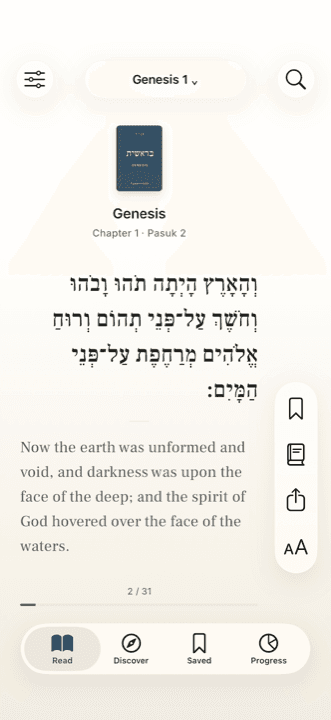
Beautiful as Tirzah, comely as Jerusalem (Verses 4–7)
4יָפָה אַתְּ רַעְיָתִי כְּתִרְצָה נָאוָה כִּירוּשָׁלִָם אֲיֻמָּה כַּנִּדְגָּלוֹת׃
Thou art beautiful, O my love, as Tirzah, Comely as Jerusalem, Terrible as an army with banners.
5הָסֵבִּי עֵינַיִךְ מִנֶּגְדִּי שֶׁהֵם הִרְהִיבֻנִי שַׂעְרֵךְ כְּעֵדֶר הָעִזִּים שֶׁגָּלְשׁוּ מִן־הַגִּלְעָד׃
Turn away thine eyes from me, For they have overcome me. Thy hair is as a flock of goats, That trail down from Gilead.
6שִׁנַּיִךְ כְּעֵדֶר הָרְחֵלִים שֶׁעָלוּ מִן־הָרַחְצָה שֶׁכֻּלָּם מַתְאִימוֹת וְשַׁכֻּלָה אֵין בָּהֶם׃
Thy teeth are like a flock of ewes, Which are come up from the washing; Whereof all are paired, And none faileth among them.
7כְּפֶלַח הָרִמּוֹן רַקָּתֵךְ מִבַּעַד לְצַמָּתֵךְ׃
Thy temples are like a pomegranate split open Behind thy veil.
My dove is but one (Verses 8–10)
8שִׁשִּׁים הֵמָּה מְּלָכוֹת וּשְׁמֹנִים פִּילַגְשִׁים וַעֲלָמוֹת אֵין מִסְפָּר׃
There are threescore queens, And fourscore concubines, And maidens without number.
9אַחַת הִיא יוֹנָתִי תַמָּתִי אַחַת הִיא לְאִמָּהּ בָּרָה הִיא לְיוֹלַדְתָּהּ רָאוּהָ בָנוֹת וַיְאַשְּׁרוּהָ מְלָכוֹת וּפִילַגְשִׁים וַיְהַלְלוּהָ׃
My dove, my undefiled, is but one; She is the only one of her mother; She is the choice one of her that bore her. The daughters saw her, and called her happy; Yea, the queens and the concubines, and they praised her.
10מִי־זֹאת הַנִּשְׁקָפָה כְּמוֹ־שָׁחַר יָפָה כַלְּבָנָה בָּרָה כַּחַמָּה אֲיֻמָּה כַּנִּדְגָּלוֹת׃
Who is she that looketh forth as the dawn, Fair as the moon, Clear as the sun, Terrible as an army with banners?
In the garden of nuts (Verses 11–12)
11אֶל־גִּנַּת אֱגוֹז יָרַדְתִּי לִרְאוֹת בְּאִבֵּי הַנָּחַל לִרְאוֹת הֲפָרְחָה הַגֶּפֶן הֵנֵצוּ הָרִמֹּנִים׃
I went down into the garden of nuts, To look at the green plants of the valley, To see whether the vine budded, And the pomegranates were in flower.
12לֹא יָדַעְתִּי נַפְשִׁי שָׂמַתְנִי מַרְכְּבוֹת עַמִּי־נָדִיב׃
Before I was aware, my soul set me Upon the chariots of my princely people.
Worth noticing
In Hebrew verse 3 reads ani ledodi vedodi li. The first letters of the four words spell Elul, the month before Rosh Hashanah, and the verse has become the watchword of that season of return, when Israel turns toward God and God toward Israel.
Related reading
- Can you learn Biblical Hebrew just by reading the Torah side by side?
- What is the Tanakh? Torah, Nevi'im and Ketuvim explained