 Torah Feed
Song of Songs 1: A love better than wine
The Song opens with a young woman's longing for her beloved and a first exchange of praise between them. She wants his kisses, for his love is better than wine, and asks him to draw her after him. To the daughters of Jerusalem she says she is dark from working in the vineyards, yet lovely. She asks where her shepherd rests his flock at noon, and he tells her to follow the tracks of the sheep. He compares her to a steed in Pharaoh's chariots; she calls him a bag of myrrh, a cluster of henna from En-gedi.
Updated November 14, 2026
- Verses
- 17
- Section
- Ketuvim
- Key verse
- Verse 2
In this chapter
- Verses 1–4Draw me after you
- Verses 5–6Dark, yet lovely
- Verses 7–8Where do you rest your flock at noon
- Verses 9–17The lovers praise each other
Song of Songs 1 in Hebrew and English
The Hebrew with full nikud beside the JPS 1917 English, both in the public domain. The summary, headings and notes on this page are Torah Feed's own.
Draw me after you (Verses 1–4)
1שִׁיר הַשִּׁירִים אֲשֶׁר לִשְׁלֹמֹה׃
THE song of songs, which is Solomon’s.
Key verse
2יִשָּׁקֵנִי מִנְּשִׁיקוֹת פִּיהוּ כִּי־טוֹבִים דֹּדֶיךָ מִיָּיִן׃
Let him kiss me with the kisses of his mouth, For thy love is better than wine.
3לְרֵיחַ שְׁמָנֶיךָ טוֹבִים שֶׁמֶן תּוּרַק שְׁמֶךָ עַל־כֵּן עֲלָמוֹת אֲהֵבוּךָ׃
Thine ointments have a goodly fragrance; Thy name is as ointment poured forth; Therefore do the maidens love thee.
Read Song of Songs 1 one verse per screen and keep your place in Torah Feed.
Get the app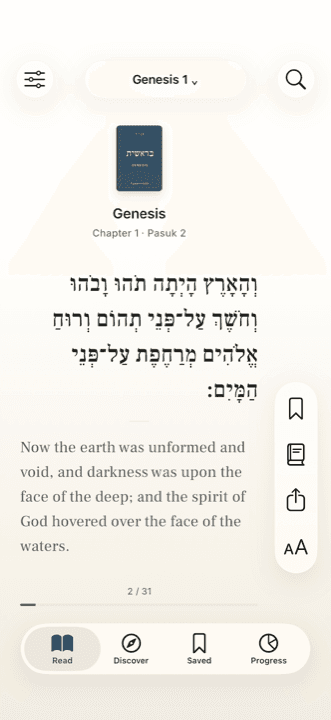
4מָשְׁכֵנִי אַחֲרֶיךָ נָּרוּצָה הֱבִיאַנִי הַמֶּלֶךְ חֲדָרָיו נָגִילָה וְנִשְׂמְחָה בָּךְ נַזְכִּירָה דֹדֶיךָ מִיַּיִן מֵישָׁרִים אֲהֵבוּךָ׃
Draw me, we will run after thee; The king hath brought me into his chambers; We will be glad and rejoice in thee, We will find thy love more fragrant than wine! Sincerely do they love thee.
Dark, yet lovely (Verses 5–6)
5שְׁחוֹרָה אֲנִי וְנָאוָה בְּנוֹת יְרוּשָׁלִָם כְּאָהֳלֵי קֵדָר כִּירִיעוֹת שְׁלֹמֹה׃
’I am black, but comely, O ye daughters of Jerusalem, As the tents of Kedar, As the curtains of Solomon.
6אַל־תִּרְאוּנִי שֶׁאֲנִי שְׁחַרְחֹרֶת שֶׁשֱּׁזָפַתְנִי הַשָּׁמֶשׁ בְּנֵי אִמִּי נִחֲרוּ־בִי שָׂמֻנִי נֹטֵרָה אֶת־הַכְּרָמִים כַּרְמִי שֶׁלִּי לֹא נָטָרְתִּי׃
Look not upon me, that I am swarthy, That the sun hath tanned me; My mother’s sons were incensed against me, They made me keeper of the vineyards; But mine own vineyard have I not kept.’
Where do you rest your flock at noon (Verses 7–8)
7הַגִּידָה לִּי שֶׁאָהֲבָה נַפְשִׁי אֵיכָה תִרְעֶה אֵיכָה תַּרְבִּיץ בַּצָּהֳרָיִם שַׁלָּמָה אֶהְיֶה כְּעֹטְיָה עַל עֶדְרֵי חֲבֵרֶיךָ׃
Tell me, O thou whom my soul loveth, Where thou feedest, where thou makest thy flock to rest at noon; For why should I be as one that veileth herself Beside the flocks of thy companions?
8אִם־לֹא תֵדְעִי לָךְ הַיָּפָה בַּנָּשִׁים צְאִי־לָךְ בְּעִקְבֵי הַצֹּאן וּרְעִי אֶת־גְּדִיֹּתַיִךְ עַל מִשְׁכְּנוֹת הָרֹעִים׃
If thou know not, O thou fairest among women, Go thy way forth by the footsteps of the flock And feed thy kids, beside the shepherds’tents.
The lovers praise each other (Verses 9–17)
9לְסֻסָתִי בְּרִכְבֵי פַרְעֹה דִּמִּיתִיךְ רַעְיָתִי׃
I have compared thee, O my love, To a steed in Pharaoh’s chariots.
10נָאווּ לְחָיַיִךְ בַּתֹּרִים צַוָּארֵךְ בַּחֲרוּזִים׃
Thy cheeks are comely with circlets, Thy neck with beads.
11תּוֹרֵי זָהָב נַעֲשֶׂה־לָּךְ עִם נְקֻדּוֹת הַכָּסֶף׃
We will make thee circlets of gold With studs of silver.
12עַד־שֶׁהַמֶּלֶךְ בִּמְסִבּוֹ נִרְדִּי נָתַן רֵיחוֹ׃
While the king sat at his table, My spikenard sent forth its fragrance.
13צְרוֹר הַמֹּר דּוֹדִי לִי בֵּין שָׁדַי יָלִין׃
My beloved is unto me as a bag of myrrh, That lieth betwixt my breasts.
14אֶשְׁכֹּל הַכֹּפֶר דּוֹדִי לִי בְּכַרְמֵי עֵין גֶּדִי׃
My beloved is unto me as a cluster of henna In the vineyards of En-gedi.
15הִנָּךְ יָפָה רַעְיָתִי הִנָּךְ יָפָה עֵינַיִךְ יוֹנִים׃
Behold, thou art fair, my love; behold, thou art fair; Thine eyes are as doves..
16הִנְּךָ יָפֶה דוֹדִי אַף נָעִים אַף־עַרְשֵׂנוּ רַעֲנָנָה׃
Behold, thou art fair, my beloved, yea, pleasant; Also our couch is leafy.
17קֹרוֹת בָּתֵּינוּ אֲרָזִים רחיטנו [רַהִיטֵנוּ] בְּרוֹתִים׃
The beams of our houses are cedars, And our panels are cypresses.
Worth noticing
The Sages taught that nearly every mention of Solomon, Shlomo, in the Song refers to God, and the Midrash reads the opening verse that way: the King to whom peace, shalom, belongs. Verse 3 adds a Hebrew play on sound: shemen, oil, and shem, name, in "Thy name is as ointment poured forth."
Related reading
- Can you learn Biblical Hebrew just by reading the Torah side by side?
- What is the Tanakh? Torah, Nevi'im and Ketuvim explained