 Torah Feed
Psalm 81: Blow the horn at the new moon
A festival song that calls for music and the shofar, then gives way to God's own voice recalling the Exodus and pleading for Israel's loyalty. Sing to God our strength with timbrel, harp and lyre; sound the shofar at the new moon and on the feast day, a statute for Israel since the going out from Egypt. God speaks: He lifted the burden from Israel's shoulder, answered from the thunder and tested them at Meribah. He forbids any strange god, but Israel would not listen. If only they would, He would subdue their enemies and feed them the finest wheat and honey from the rock.
Updated November 14, 2026
- Verses
- 17
- Section
- Ketuvim
- Key verse
- Verse 4
In this chapter
- Verses 1–5Sing aloud and blow the shofar
- Verses 6–8From Egypt: the burden lifted
- Verses 9–11Hear, O My people
- Verses 12–17If only My people would listen
Psalm 81 in Hebrew and English
The Hebrew with full nikud beside the JPS 1917 English, both in the public domain. The summary, headings and notes on this page are Torah Feed's own.
Sing aloud and blow the shofar (Verses 1–5)
1לַמְנַצֵּחַ עַל־הַגִּתִּית לְאָסָף׃
For the Leader; upon the Gittith. [A Psalm] of Asaph.
2הַרְנִינוּ לֵאלֹהִים עוּזֵּנוּ הָרִיעוּ לֵאלֹהֵי יַעֲקֹב׃
Sing aloud unto God our strength; shout unto the God of Jacob.
3שְׂאוּ־זִמְרָה וּתְנוּ־תֹף כִּנּוֹר נָעִים עִם־נָבֶל׃
Take up the melody, and sound the timbrel, the sweet harp with the psaltery.
Read Psalm 81 one verse per screen and keep your place in Torah Feed.
Get the app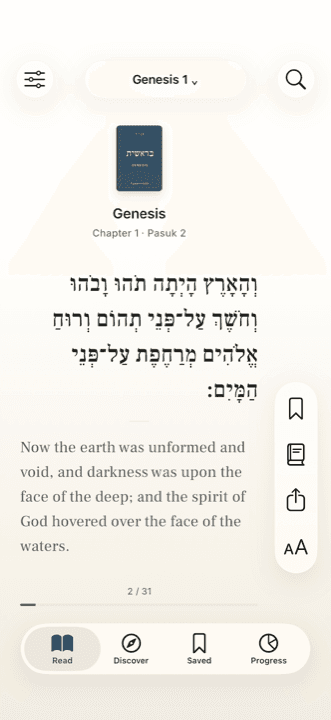
Key verse
4תִּקְעוּ בַחֹדֶשׁ שׁוֹפָר בַּכֵּסֶה לְיוֹם חַגֵּנוּ׃
Blow the horn at the new moon, at the full moon for our feast-day.
5כִּי חֹק לְיִשְׂרָאֵל הוּא מִשְׁפָּט לֵאלֹהֵי יַעֲקֹב׃
For it is a statute for Israel, an ordinance of the God of Jacob.
From Egypt: the burden lifted (Verses 6–8)
6עֵדוּת בִּיהוֹסֵף שָׂמוֹ בְּצֵאתוֹ עַל־אֶרֶץ מִצְרָיִם שְׂפַת לֹא־יָדַעְתִּי אֶשְׁמָע׃
He appointed it in Joseph for a testimony, when He went forth against the land of Egypt. The speech of one that I knew not did I hear:
7הֲסִירוֹתִי מִסֵּבֶל שִׁכְמוֹ כַּפָּיו מִדּוּד תַּעֲבֹרְנָה׃
'I removed his shoulder from the burden; His hands were freed from the basket.
8בַּצָּרָה קָרָאתָ וָאֲחַלְּצֶךָּ אֶעֶנְךָ בְּסֵתֶר רַעַם אֶבְחָנְךָ עַל־מֵי מְרִיבָה סֶלָה׃
Thou didst call in trouble, and I rescued thee; I answered thee in the secret place of thunder; I proved thee at the waters of Meribah. Selah
Hear, O My people (Verses 9–11)
9שְׁמַע עַמִּי וְאָעִידָה בָּךְ יִשְׂרָאֵל אִם־תִּשְׁמַע־לִי׃
Hear, O My people, and I will admonish thee: O Israel, if thou wouldest hearken unto Me!
10לֹא־יִהְיֶה בְךָ אֵל זָר וְלֹא תִשְׁתַּחֲוֶה לְאֵל נֵכָר׃
There shall no strange god be in thee; neither shalt thou worship any foreign god.
11אָנֹכִי יְהוָה אֱלֹהֶיךָ הַמַּעַלְךָ מֵאֶרֶץ מִצְרָיִם הַרְחֶב־פִּיךָ וַאֲמַלְאֵהוּ׃
I am the LORD thy God, who brought thee up out of the land of Egypt; open thy mouth wide, and I will fill it.
If only My people would listen (Verses 12–17)
12וְלֹא־שָׁמַע עַמִּי לְקוֹלִי וְיִשְׂרָאֵל לֹא־אָבָה לִי׃
But My people hearkened not to My voice; And Israel would none of Me.
13וָאֲשַׁלְּחֵהוּ בִּשְׁרִירוּת לִבָּם יֵלְכוּ בְּמוֹעֲצוֹתֵיהֶם׃
So I let them go after the stubbornness of their heart, That they might walk in their own counsels.
14לוּ עַמִּי שֹׁמֵעַ לִי יִשְׂרָאֵל בִּדְרָכַי יְהַלֵּכוּ׃
Oh that My people would hearken unto Me, That Israel would walk in My ways!
15כִּמְעַט אוֹיְבֵיהֶם אַכְנִיעַ וְעַל צָרֵיהֶם אָשִׁיב יָדִי׃
I would soon subdue their enemies, And turn My hand against their adversaries.
16מְשַׂנְאֵי יְהוָה יְכַחֲשׁוּ־לוֹ וִיהִי עִתָּם לְעוֹלָם׃
The haters of the LORD should dwindle away before Him; And their punishment should endure for ever.
17וַיַּאֲכִילֵהוּ מֵחֵלֶב חִטָּה וּמִצּוּר דְּבַשׁ אַשְׂבִּיעֶךָ׃
They should also be fed with the fat of wheat; and with honey out of the rock would I satisfy thee.'
Worth noticing
This was the Levites' psalm for the fifth day of the week, and it is still said each Thursday. Verse 4 ties the shofar to the moon: the Talmud reads its Hebrew keseh, rendered "full moon" in the JPS, as the day the moon is hidden, the festival that falls at the new moon: Rosh Hashanah.
Related reading
- Tehillim for beginners: how to start saying Psalms every day
- Can you learn Biblical Hebrew just by reading the Torah side by side?
- What is the Tanakh? Torah, Nevi'im and Ketuvim explained