 Torah Feed
Psalm 53: The fool's denial, told a second time
A near twin of Psalm 14, this psalm portrays a corrupt humanity that denies God, and ends with a longing for Israel's salvation. The fool says in his heart that there is no God, and people act accordingly: none does good. God looks down from heaven for anyone wise who seeks Him and finds that all have turned aside. Those who devour His people like bread will be seized by terror where there was nothing to fear, for God has scattered the bones of those who besieged Israel. The psalm closes with the hope that salvation will come out of Zion.
Updated November 14, 2026
- Verses
- 7
- Section
- Ketuvim
- Key verse
- Verse 2
In this chapter
- Verses 1–4No one does good
- Verses 5–6Terror where there was none
- Verse 7Salvation out of Zion
Psalm 53 in Hebrew and English
The Hebrew with full nikud beside the JPS 1917 English, both in the public domain. The summary, headings and notes on this page are Torah Feed's own.
No one does good (Verses 1–4)
1לַמְנַצֵּחַ עַל־מָחֲלַת מַשְׂכִּיל לְדָוִד׃
For the Leader; upon Mahalath. Maschil of David.
Key verse
2אָמַר נָבָל בְּלִבּוֹ אֵין אֱלֹהִים הִשְׁחִיתוּ וְהִתְעִיבוּ עָוֶל אֵין עֹשֵׂה־טוֹב׃
The fool hath said in his heart: 'There is no God'; They have dealt corruptly, and have done abominable iniquity; There is none that doeth good.
3אֱלֹהִים מִשָּׁמַיִם הִשְׁקִיף עַל־בְּנֵי אָדָם לִרְאוֹת הֲיֵשׁ מַשְׂכִּיל דֹּרֵשׁ אֶת־אֱלֹהִים׃
God looked forth from heaven upon the children of men, To see if there were any man of understanding, that did seek after God.
Read Psalm 53 one verse per screen and keep your place in Torah Feed.
Get the app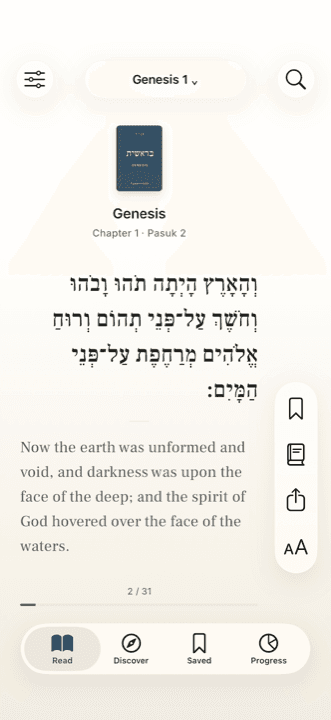
4כֻּלּוֹ סָג יַחְדָּו נֶאֱלָחוּ אֵין עֹשֵׂה־טוֹב אֵין גַּם־אֶחָד׃
Every one of them is unclean, they are together become impure; There is none that doeth good, no, not one.
Terror where there was none (Verses 5–6)
5הֲלֹא יָדְעוּ פֹּעֲלֵי אָוֶן אֹכְלֵי עַמִּי אָכְלוּ לֶחֶם אֱלֹהִים לֹא קָרָאוּ׃
’Shall not the workers of iniquity know it, Who eat up My people as they eat bread, And call not upon God?'
6שָׁם פָּחֲדוּ־פַחַד לֹא־הָיָה פָחַד כִּי־אֱלֹהִים פִּזַּר עַצְמוֹת חֹנָךְ הֱבִשֹׁתָה כִּי־אֱלֹהִים מְאָסָם׃
There are they in great fear, where no fear was; For God hath scattered the bones of him that encampeth against thee; Thou hast put them to shame, because God hath rejected them.
Salvation out of Zion (Verse 7)
7מִי יִתֵּן מִצִּיּוֹן יְשֻׁעוֹת יִשְׂרָאֵל בְּשׁוּב אֱלֹהִים שְׁבוּת עַמּוֹ יָגֵל יַעֲקֹב יִשְׂמַח יִשְׂרָאֵל׃
Oh that the salvation of Israel were come out of Zion! When God turneth the captivity of His people, Let Jacob rejoice, let Israel be glad.
Worth noticing
Its one real departure from Psalm 14 comes in verse 6, where the oppressors are seized with fear "where no fear was", a panic with no visible cause, and God scatters the bones of those encamped against Israel. Elsewhere it differs mainly in calling God Elohim, as the second book of Psalms tends to do.
Related reading
- Tehillim for beginners: how to start saying Psalms every day
- Can you learn Biblical Hebrew just by reading the Torah side by side?
- What is the Tanakh? Torah, Nevi'im and Ketuvim explained