 Torah Feed
Psalm 41: Happy is he that considereth the poor
The last psalm of the first book praises those who care for the weak, then becomes the prayer of a sick man betrayed even by his closest friend. Happy is the one who considers the poor: God will rescue him in bad times and sustain him on his sickbed. The psalmist asks to be healed, for he has sinned. His enemies wait for him to die; visitors speak empty words and gossip outside, and even the friend who ate his bread has turned against him. He asks God to raise him up and is sure of God's favor. A blessing closes the psalm and Book One.
Updated November 14, 2026
- Verses
- 14
- Section
- Ketuvim
- Key verse
- Verse 2
In this chapter
- Verses 1–4Happy is the one who cares for the poor
- Verses 5–10Enemies wait for my death
- Verses 11–13Raise me up
- Verse 14A blessing that closes Book One
Psalm 41 in Hebrew and English
The Hebrew with full nikud beside the JPS 1917 English, both in the public domain. The summary, headings and notes on this page are Torah Feed's own.
Happy is the one who cares for the poor (Verses 1–4)
1לַמְנַצֵּחַ מִזְמוֹר לְדָוִד׃
For the Leader. A Psalm of David.
Key verse
2אַשְׁרֵי מַשְׂכִּיל אֶל־דָּל בְּיוֹם רָעָה יְמַלְּטֵהוּ יְהוָה׃
Happy is he that considereth the poor; the LORD will deliver him in the day of evil.
3יְהוָה יִשְׁמְרֵהוּ וִיחַיֵּהוּ יאשר [וְאֻשַּׁר] בָּאָרֶץ וְאַל־תִּתְּנֵהוּ בְּנֶפֶשׁ אֹיְבָיו׃
The LORD preserve him, and keep him alive, let him be called happy in the land; and deliver not Thou him unto the greed of his enemies.
Read Psalm 41 one verse per screen and keep your place in Torah Feed.
Get the app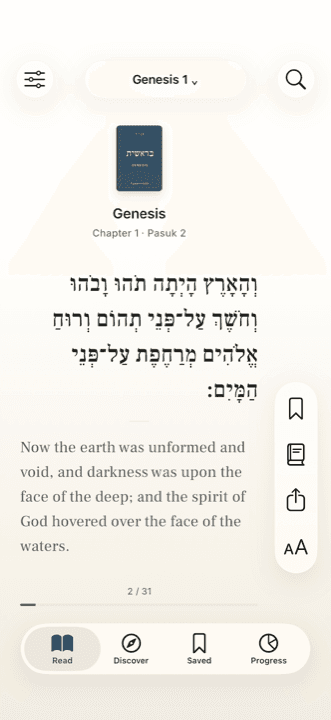
4יְהוָה יִסְעָדֶנּוּ עַל־עֶרֶשׂ דְּוָי כָּל־מִשְׁכָּבוֹ הָפַכְתָּ בְחָלְיוֹ׃
The LORD support him upon the bed of illness; mayest Thou turn all his lying down in his sickness.
Enemies wait for my death (Verses 5–10)
5אֲנִי־אָמַרְתִּי יְהוָה חָנֵּנִי רְפָאָה נַפְשִׁי כִּי־חָטָאתִי לָךְ׃
As for me, I said: 'O LORD, be gracious unto me; heal my soul; for I have sinned against Thee.'
6אוֹיְבַי יֹאמְרוּ רַע לִי מָתַי יָמוּת וְאָבַד שְׁמוֹ׃
Mine enemies speak evil of me: 'When shall he die, and his name perish?'
7וְאִם־בָּא לִרְאוֹת שָׁוְא יְדַבֵּר לִבּוֹ יִקְבָּץ־אָוֶן לוֹ יֵצֵא לַחוּץ יְדַבֵּר׃
And if one come to see me, he speaketh falsehood; His heart gathereth iniquity to itself; when he goeth abroad, he speaketh of it.
8יַחַד עָלַי יִתְלַחֲשׁוּ כָּל־שֹׂנְאָי עָלַי יַחְשְׁבוּ רָעָה לִי׃
All that hate me whisper together against me, against me do they devise my hurt:
9דְּבַר־בְּלִיַּעַל יָצוּק בּוֹ וַאֲשֶׁר שָׁכַב לֹא־יוֹסִיף לָקוּם׃
'An evil thing cleaveth fast unto him; and now that he lieth, he shall rise up no more.'
10גַּם־אִישׁ שְׁלוֹמִי אֲשֶׁר־בָּטַחְתִּי בוֹ אוֹכֵל לַחְמִי הִגְדִּיל עָלַי עָקֵב׃
Yea, mine own familiar friend, in whom I trusted, who did eat of my bread, Hath lifted up his heel against me.
Raise me up (Verses 11–13)
11וְאַתָּה יְהוָה חָנֵּנִי וַהֲקִימֵנִי וַאֲשַׁלְּמָה לָהֶם׃
But Thou, O LORD, be gracious unto me, and raise me up, that I may requite them.
12בְּזֹאת יָדַעְתִּי כִּי־חָפַצְתָּ בִּי כִּי לֹא־יָרִיעַ אֹיְבִי עָלָי׃
By this I know that Thou delightest in me, that mine enemy doth not triumph over me.
13וַאֲנִי בְּתֻמִּי תָּמַכְתָּ בִּי וַתַּצִּיבֵנִי לְפָנֶיךָ לְעוֹלָם׃
And as for me, Thou upholdest me because of mine integrity, and settest me before Thy face for ever.
A blessing that closes Book One (Verse 14)
14בָּרוּךְ יְהוָה אֱלֹהֵי יִשְׂרָאֵל מֵהָעוֹלָם וְעַד הָעוֹלָם אָמֵן וְאָמֵן׃
Blessed be the LORD, the God of Israel, from everlasting and to everlasting. Amen, and Amen.
Worth noticing
The Talmud reads verses 2 to 4 as speaking of visiting the sick: whoever visits them is rescued in the day of evil, and God sustains him in turn when he lies ill. The final verse, "Blessed be the LORD, the God of Israel, from everlasting and to everlasting. Amen, and Amen", closes Book One of Psalms.
Related reading
- Tehillim for beginners: how to start saying Psalms every day
- Can you learn Biblical Hebrew just by reading the Torah side by side?
- What is the Tanakh? Torah, Nevi'im and Ketuvim explained