 Torah Feed
Psalm 20: The LORD answer thee in the day of trouble
A prayer for the king before battle, in which the people ask God to answer him, then declare their confidence in victory. They pray that God answer the king in his day of trouble, send help from Zion, accept his offerings and fulfill his plans, and they promise to raise their banners in God's name. A single voice then declares that God saves His anointed. Some trust in chariots and some in horses, but we call on the name of God; they collapse while we stand upright. The psalm ends with a plea for God to save and answer when we call.
Updated November 14, 2026
- Verses
- 10
- Section
- Ketuvim
- Key verse
- Verse 8
In this chapter
- Verses 1–6May God answer you in the day of trouble
- Verses 7–9Not chariots or horses, but God's name
- Verse 10Save, and answer us when we call
Psalm 20 in Hebrew and English
The Hebrew with full nikud beside the JPS 1917 English, both in the public domain. The summary, headings and notes on this page are Torah Feed's own.
May God answer you in the day of trouble (Verses 1–6)
1לַמְנַצֵּחַ מִזְמוֹר לְדָוִד׃
For the Leader. A Psalm of David.
2יַעַנְךָ יְהוָה בְּיוֹם צָרָה יְשַׂגֶּבְךָ שֵׁם אֱלֹהֵי יַעֲקֹב׃
The LORD answer thee in the day of trouble; The name of the God of Jacob set thee up on high;
3יִשְׁלַח־עֶזְרְךָ מִקֹּדֶשׁ וּמִצִּיּוֹן יִסְעָדֶךָּ׃
Send forth thy help from the sanctuary, And support thee out of Zion;
Read Psalm 20 one verse per screen and keep your place in Torah Feed.
Get the app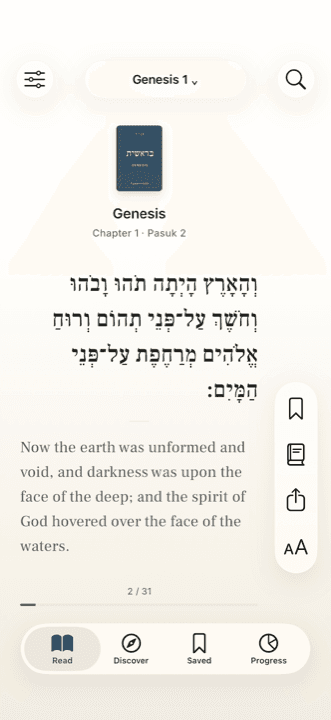
4יִזְכֹּר כָּל־מִנְחֹתֶךָ וְעוֹלָתְךָ יְדַשְּׁנֶה סֶלָה׃
Receive the memorial of all thy meal-offerings, And accept the fat of thy burnt-sacrifice; Selah
5יִתֶּן־לְךָ כִלְבָבֶךָ וְכָל־עֲצָתְךָ יְמַלֵּא׃
Grant thee according to thine own heart, And fulfil all thy counsel.
6נְרַנְּנָה בִּישׁוּעָתֶךָ וּבְשֵׁם־אֱלֹהֵינוּ נִדְגֹּל יְמַלֵּא יְהוָה כָּל־מִשְׁאֲלוֹתֶיךָ׃
We will shout for joy in thy victory, And in the name of our God we will set up our standards; The LORD fulfil all thy petitions.
Not chariots or horses, but God's name (Verses 7–9)
7עַתָּה יָדַעְתִּי כִּי הוֹשִׁיעַ יְהוָה מְשִׁיחוֹ יַעֲנֵהוּ מִשְּׁמֵי קָדְשׁוֹ בִּגְבֻרוֹת יֵשַׁע יְמִינוֹ׃
Now know I that the LORD saveth His anointed; He will answer him from His holy heaven With the mighty acts of His saving right hand.
Key verse
8אֵלֶּה בָרֶכֶב וְאֵלֶּה בַסּוּסִים וַאֲנַחְנוּ בְּשֵׁם־יְהוָה אֱלֹהֵינוּ נַזְכִּיר׃
Some trust in chariots, and some in horses; But we will make mention of the name of the LORD our God.
9הֵמָּה כָּרְעוּ וְנָפָלוּ וַאֲנַחְנוּ קַּמְנוּ וַנִּתְעוֹדָד׃
They are bowed down and fallen; But we are risen, and stand upright.
Save, and answer us when we call (Verse 10)
10יְהוָה הוֹשִׁיעָה הַמֶּלֶךְ יַעֲנֵנוּ בְיוֹם־קָרְאֵנוּ׃
Save, LORD; Let the King answer us in the day that we call.
Worth noticing
Known by its first Hebrew word, Lamenatze'ach, this psalm is said every weekday morning between Ashrei and Uva Letzion, and is left out on some festive days. Its last verse, "Save, LORD; Let the King answer us in the day that we call", is also said near the start of the weekday evening service.
Related reading
- Tehillim for beginners: how to start saying Psalms every day
- Can you learn Biblical Hebrew just by reading the Torah side by side?
- What is the Tanakh? Torah, Nevi'im and Ketuvim explained