 Torah Feed
Habakkuk 3: Habakkuk's prayer: yet I will rejoice
The book ends with Habakkuk's prayer, a psalm of God's awesome coming that closes in trust and joy. Habakkuk has heard of God's deeds and is afraid, and asks Him to revive His work in the midst of the years and in wrath to remember compassion. He pictures God coming from Teman and Mount Paran in blazing light: the earth shakes, ancient mountains shatter, sea and rivers are trampled, sun and moon stand still, and God goes out to save His people. The prophet trembles, yet even if the fig tree does not blossom and the fields yield nothing, he will rejoice in the God of his salvation.
Updated November 14, 2026
- Verses
- 19
- Section
- Nevi'im
- Key verse
- Verse 18
In this chapter
- Verses 1–2In wrath remember compassion
- Verses 3–7God comes from Teman
- Verses 8–15Against the rivers and the sea
- Verses 16–19Yet I will rejoice in the LORD
Habakkuk 3 in Hebrew and English
The Hebrew with full nikud beside the JPS 1917 English, both in the public domain. The summary, headings and notes on this page are Torah Feed's own.
In wrath remember compassion (Verses 1–2)
1תְּפִלָּה לַחֲבַקּוּק הַנָּבִיא עַל שִׁגְיֹנוֹת׃
A prayer of Habakkuk the prophet. Upon Shigionoth.
2יְהוָה שָׁמַעְתִּי שִׁמְעֲךָ יָרֵאתִי יְהוָה פָּעָלְךָ בְּקֶרֶב שָׁנִים חַיֵּיהוּ בְּקֶרֶב שָׁנִים תּוֹדִיעַ בְּרֹגֶז רַחֵם תִּזְכּוֹר׃
O LORD, I have heard the report of Thee, and am afraid; O LORD, revive Thy work in the midst of the years, in the midst of the years make it known; In wrath remember compassion.
God comes from Teman (Verses 3–7)
3אֱלוֹהַ מִתֵּימָן יָבוֹא וְקָדוֹשׁ מֵהַר־פָּארָן סֶלָה כִּסָּה שָׁמַיִם הוֹדוֹ וּתְהִלָּתוֹ מָלְאָה הָאָרֶץ׃
God cometh from Teman, And the Holy One from mount Paran. Selah His glory covereth the heavens, And the earth is full of His praise.
Read Habakkuk 3 one verse per screen and keep your place in Torah Feed.
Get the app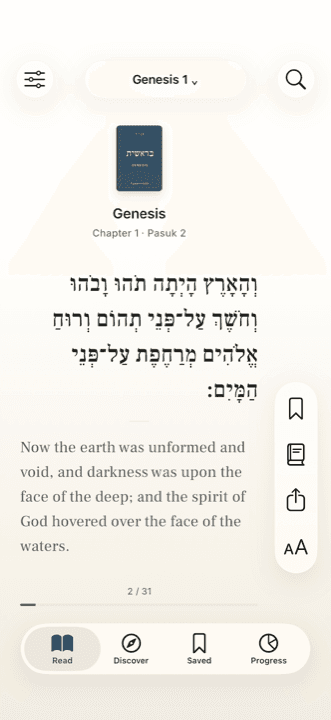
4וְנֹגַהּ כָּאוֹר תִּהְיֶה קַרְנַיִם מִיָּדוֹ לוֹ וְשָׁם חֶבְיוֹן עֻזֹּה׃
And a brightness appeareth as the light; rays hath He at His side; and there is the hiding of His power.
5לְפָנָיו יֵלֶךְ דָּבֶר וְיֵצֵא רֶשֶׁף לְרַגְלָיו׃
Before him goeth the pestilence, and fiery bolts go forth at His feet.
6עָמַד וַיְמֹדֶד אֶרֶץ רָאָה וַיַּתֵּר גּוֹיִם וַיִּתְפֹּצְצוּ הַרְרֵי־עַד שַׁחוּ גִּבְעוֹת עוֹלָם הֲלִיכוֹת עוֹלָם לוֹ׃
He standeth, and shaketh the earth, He beholdeth, and maketh the nations to tremble; And the everlasting mountains are dashed in pieces, The ancient hills do bow; His goings are as of old.
7תַּחַת אָוֶן רָאִיתִי אָהֳלֵי כוּשָׁן יִרְגְּזוּן יְרִיעוֹת אֶרֶץ מִדְיָן׃
I see the tents of Cushan in affliction; The curtains of the land of Midian do tremble.
Against the rivers and the sea (Verses 8–15)
8הֲבִנְהָרִים חָרָה יְהוָה אִם בַּנְּהָרִים אַפֶּךָ אִם־בַּיָּם עֶבְרָתֶךָ כִּי תִרְכַּב עַל־סוּסֶיךָ מַרְכְּבֹתֶיךָ יְשׁוּעָה׃
Is it, O LORD, that against the rivers, is it that Thine anger is kindled against the rivers, or Thy wrath against the sea? That Thou dost ride upon Thy horses, upon Thy chariots of victory?
9עֶרְיָה תֵעוֹר קַשְׁתֶּךָ שְׁבֻעוֹת מַטּוֹת אֹמֶר סֶלָה נְהָרוֹת תְּבַקַּע־אָרֶץ׃
Thy bow is made quite bare; Sworn are the rods of the word. Selah. Thou dost cleave the earth with rivers.
10רָאוּךָ יָחִילוּ הָרִים זֶרֶם מַיִם עָבָר נָתַן תְּהוֹם קוֹלוֹ רוֹם יָדֵיהוּ נָשָׂא׃
The mountains have seen Thee, and they tremble; the tempest of waters floweth over; the deep uttereth its voice, And lifteth up its hands on high.
11שֶׁמֶשׁ יָרֵחַ עָמַד זְבֻלָה לְאוֹר חִצֶּיךָ יְהַלֵּכוּ לְנֹגַהּ בְּרַק חֲנִיתֶךָ׃
The sun and moon stand still in their habitation; at the light of Thine arrows as they go, At the shining of Thy glittering spear.
12בְּזַעַם תִּצְעַד־אָרֶץ בְּאַף תָּדוּשׁ גּוֹיִם׃
Thou marchest through the earth in indignation, Thou threshest the nations in anger.
13יָצָאתָ לְיֵשַׁע עַמֶּךָ לְיֵשַׁע אֶת־מְשִׁיחֶךָ מָחַצְתָּ רֹּאשׁ מִבֵּית רָשָׁע עָרוֹת יְסוֹד עַד־צַוָּאר סֶלָה׃
Thou art come forth for the deliverance of Thy people, for the deliverance of Thine anointed; Thou woundest the head out of the house of the wicked, uncovering the foundation even unto the neck. Selah
14נָקַבְתָּ בְמַטָּיו רֹאשׁ פרזו [פְּרָזָיו] יִסְעֲרוּ לַהֲפִיצֵנִי עֲלִיצֻתָם כְּמוֹ־לֶאֱכֹל עָנִי בַּמִּסְתָּר׃
Thou hast stricken through with his own rods the head of his rulers, that come as a whirlwind to scatter me; whose rejoicing is as to devour the poor secretly.
15דָּרַכְתָּ בַיָּם סוּסֶיךָ חֹמֶר מַיִם רַבִּים׃
Thou hast trodden the sea with Thy horses, the foaming of mighty waters.
Yet I will rejoice in the LORD (Verses 16–19)
16שָׁמַעְתִּי וַתִּרְגַּז בִּטְנִי לְקוֹל צָלֲלוּ שְׂפָתַי יָבוֹא רָקָב בַּעֲצָמַי וְתַחְתַּי אֶרְגָּז אֲשֶׁר אָנוּחַ לְיוֹם צָרָה לַעֲלוֹת לְעַם יְגוּדֶנּוּ׃
When I heard, mine inward parts trembled, My lips quivered at the voice; Rottenness entereth into my bones, And I tremble where I stand; that I should wait for the day of trouble, when he cometh up against the people that he invadeth.
17כִּי־תְאֵנָה לֹא־תִפְרָח וְאֵין יְבוּל בַּגְּפָנִים כִּחֵשׁ מַעֲשֵׂה־זַיִת וּשְׁדֵמוֹת לֹא־עָשָׂה אֹכֶל גָּזַר מִמִּכְלָה צֹאן וְאֵין בָּקָר בָּרְפָתִים׃
For though the fig-tree shall not blossom, neither shall fruit be in the vines; the labour of the olive shall fail, And the fields shall yield no food; The flock shall be cut off from the fold, and there shall be no herd in the stalls;
Key verse
18וַאֲנִי בַּיהוָה אֶעְלוֹזָה אָגִילָה בֵּאלֹהֵי יִשְׁעִי׃
Yet I will rejoice in the LORD, I will exult in the God of my salvation.
19יְהוִהּ אֲדֹנָי חֵילִי וַיָּשֶׂם רַגְלַי כָּאַיָּלוֹת וְעַל בָּמוֹתַי יַדְרִכֵנִי לַמְנַצֵּחַ בִּנְגִינוֹתָי׃
God, the Lord, is my strength, And He maketh my feet like hinds’feet, And He maketh me to walk upon my high places. For the Leader. With my string-music.
Worth noticing
This prayer is the haftarah for the second day of Shavuot. God's coming from Teman and Mount Paran recalls Moses' blessing in Deuteronomy 33, where God "shined forth from mount Paran" at the giving of the Torah, the very event Shavuot celebrates.
Related reading
- Can you learn Biblical Hebrew just by reading the Torah side by side?
- What is the Tanakh? Torah, Nevi'im and Ketuvim explained