 Torah Feed
Exodus 22: Laws of property, the stranger and the poor
Laws of theft and damage give way to commands protecting the weak: the stranger, the widow, the orphan and the poor. A burglar caught at night may be killed without bloodguilt, but not by day, and thieves repay double. Owners pay for damage done by straying animals or spreading fire, and rules are set for goods or animals kept for another or borrowed. A man who seduces an unbetrothed girl must pay her dowry. Sorcery, bestiality and idolatry are banned. The stranger must not be oppressed, nor the widow and orphan afflicted; money is lent without interest, and a pledged cloak is returned by sunset. Firstfruits and firstborn belong to God.
Updated November 14, 2026
In this chapter
- Verses 1–3Theft and the burglar
- Verses 4–5Damage to fields
- Verses 6–14Goods kept for another
- Verses 15–19Seduction, sorcery and idolatry
- Verses 20–23The stranger, the widow and the orphan
- Verses 24–26Loans and pledges
- Verses 27–30Reverence and firstfruits
Exodus 22 in Hebrew and English
The Hebrew with full nikud beside the JPS 1917 English, both in the public domain. The summary, headings and notes on this page are Torah Feed's own.
Theft and the burglar (Verses 1–3)
1אִם־בַּמַּחְתֶּרֶת יִמָּצֵא הַגַּנָּב וְהֻכָּה וָמֵת אֵין לוֹ דָּמִים׃
If a thief be found breaking in, and be smitten so that he dieth, there shall be no bloodguiltiness for him.
Rashi on verse 1
אם במחתרת means when he was breaking in into the house (i. e. in the very act of forcing an entry, but at no other moment).
Rashi has 67 more comments on Exodus 22. Torah Feed shows them beside each verse, in Hebrew and English.
Get the app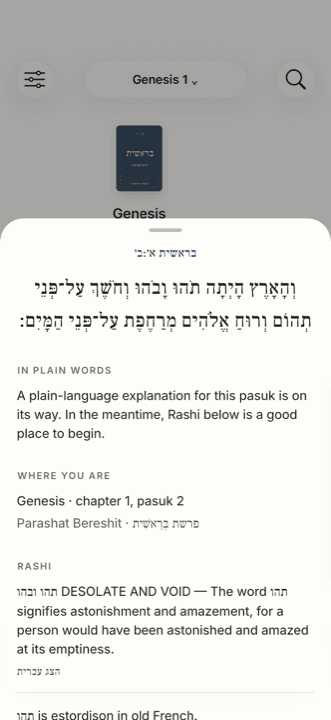
2אִם־זָרְחָה הַשֶּׁמֶשׁ עָלָיו דָּמִים לוֹ שַׁלֵּם יְשַׁלֵּם אִם־אֵין לוֹ וְנִמְכַּר בִּגְנֵבָתוֹ׃
If the sun be risen upon him, there shall be bloodguiltiness for him, he shall make restitution; if he have nothing, then he shall be sold for his theft.
3אִם־הִמָּצֵא תִמָּצֵא בְיָדוֹ הַגְּנֵבָה מִשּׁוֹר עַד־חֲמוֹר עַד־שֶׂה חַיִּים שְׁנַיִם יְשַׁלֵּם׃
If the theft be found in his hand alive, whether it be ox, or ass, or sheep, he shall pay double.
Damage to fields (Verses 4–5)
4כִּי יַבְעֶר־אִישׁ שָׂדֶה אוֹ־כֶרֶם וְשִׁלַּח אֶת־בעירה [בְּעִירוֹ] וּבִעֵר בִּשְׂדֵה אַחֵר מֵיטַב שָׂדֵהוּ וּמֵיטַב כַּרְמוֹ יְשַׁלֵּם׃
If a man cause a field or vineyard to be eaten, and shall let his beast loose, and it feed in another man’s field; of the best of his own field, and of the best of his own vineyard, shall he make restitution.
5כִּי־תֵצֵא אֵשׁ וּמָצְאָה קֹצִים וְנֶאֱכַל גָּדִישׁ אוֹ הַקָּמָה אוֹ הַשָּׂדֶה שַׁלֵּם יְשַׁלֵּם הַמַּבְעִר אֶת־הַבְּעֵרָה׃
If fire break out, and catch in thorns, so that the shocks of corn, or the standing corn, or the field are consumed; he that kindled the fire shall surely make restitution.
Goods kept for another (Verses 6–14)
6כִּי־יִתֵּן אִישׁ אֶל־רֵעֵהוּ כֶּסֶף אוֹ־כֵלִים לִשְׁמֹר וְגֻנַּב מִבֵּית הָאִישׁ אִם־יִמָּצֵא הַגַּנָּב יְשַׁלֵּם שְׁנָיִם׃
If a man deliver unto his neighbour money or stuff to keep, and it be stolen out of the man’s house; if the thief be found, he shall pay double.
7אִם־לֹא יִמָּצֵא הַגַּנָּב וְנִקְרַב בַּעַל־הַבַּיִת אֶל־הָאֱלֹהִים אִם־לֹא שָׁלַח יָדוֹ בִּמְלֶאכֶת רֵעֵהוּ׃
If the thief be not found, then the master of the house shall come near unto God, to see whether he have not put his hand unto his neighbour’s goods.
8עַל־כָּל־דְּבַר־פֶּשַׁע עַל־שׁוֹר עַל־חֲמוֹר עַל־שֶׂה עַל־שַׂלְמָה עַל־כָּל־אֲבֵדָה אֲשֶׁר יֹאמַר כִּי־הוּא זֶה עַד הָאֱלֹהִים יָבֹא דְּבַר־שְׁנֵיהֶם אֲשֶׁר יַרְשִׁיעֻן אֱלֹהִים יְשַׁלֵּם שְׁנַיִם לְרֵעֵהוּ׃
For every matter of trespass, whether it be for ox, for ass, for sheep, for raiment, or for any manner of lost thing, whereof one saith: 'This is it,' the cause of both parties shall come before God; he whom God shall condemn shall pay double unto his neighbour.
9כִּי־יִתֵּן אִישׁ אֶל־רֵעֵהוּ חֲמוֹר אוֹ־שׁוֹר אוֹ־שֶׂה וְכָל־בְּהֵמָה לִשְׁמֹר וּמֵת אוֹ־נִשְׁבַּר אוֹ־נִשְׁבָּה אֵין רֹאֶה׃
If a man deliver unto his neighbour an ass, or an ox, or a sheep, or any beast, to keep, and it die, or be hurt, or driven away, no man seeing it;
10שְׁבֻעַת יְהוָה תִּהְיֶה בֵּין שְׁנֵיהֶם אִם־לֹא שָׁלַח יָדוֹ בִּמְלֶאכֶת רֵעֵהוּ וְלָקַח בְּעָלָיו וְלֹא יְשַׁלֵּם׃
the oath of the LORD shall be between them both, to see whether he have not put his hand unto his neighbour’s goods; and the owner thereof shall accept it, and he shall not make restitution.
11וְאִם־גָּנֹב יִגָּנֵב מֵעִמּוֹ יְשַׁלֵּם לִבְעָלָיו׃
But if it be stolen from him, he shall make restitution unto the owner thereof.
12אִם־טָרֹף יִטָּרֵף יְבִאֵהוּ עֵד הַטְּרֵפָה לֹא יְשַׁלֵּם׃
If it be torn in pieces, let him bring it for witness; he shall not make good that which was torn.
13וְכִי־יִשְׁאַל אִישׁ מֵעִם רֵעֵהוּ וְנִשְׁבַּר אוֹ־מֵת בְּעָלָיו אֵין־עִמּוֹ שַׁלֵּם יְשַׁלֵּם׃
And if a man borrow aught of his neighbour, and it be hurt, or die, the owner thereof not being with it, he shall surely make restitution.
14אִם־בְּעָלָיו עִמּוֹ לֹא יְשַׁלֵּם אִם־שָׂכִיר הוּא בָּא בִּשְׂכָרוֹ׃
If the owner thereof be with it, he shall not make it good; if it be a hireling, he loseth his hire.
Seduction, sorcery and idolatry (Verses 15–19)
15וְכִי־יְפַתֶּה אִישׁ בְּתוּלָה אֲשֶׁר לֹא־אֹרָשָׂה וְשָׁכַב עִמָּהּ מָהֹר יִמְהָרֶנָּה לּוֹ לְאִשָּׁה׃
And if a man entice a virgin that is not betrothed, and lie with her, he shall surely pay a dowry for her to be his wife.
16אִם־מָאֵן יְמָאֵן אָבִיהָ לְתִתָּהּ לוֹ כֶּסֶף יִשְׁקֹל כְּמֹהַר הַבְּתוּלֹת׃
If her father utterly refuse to give her unto him, he shall pay money according to the dowry of virgins.
17מְכַשֵּׁפָה לֹא תְחַיֶּה׃
Thou shalt not suffer a sorceress to live.
18כָּל־שֹׁכֵב עִם־בְּהֵמָה מוֹת יוּמָת׃
Whosoever lieth with a beast shall surely be put to death.
19זֹבֵחַ לָאֱלֹהִים יָחֳרָם בִּלְתִּי לַיהוָה לְבַדּוֹ׃
He that sacrificeth unto the gods, save unto the LORD only, shall be utterly destroyed.
The stranger, the widow and the orphan (Verses 20–23)
Key verse
20וְגֵר לֹא־תוֹנֶה וְלֹא תִלְחָצֶנּוּ כִּי־גֵרִים הֱיִיתֶם בְּאֶרֶץ מִצְרָיִם׃
And a stranger shalt thou not wrong, neither shalt thou oppress him; for ye were strangers in the land of Egypt.
21כָּל־אַלְמָנָה וְיָתוֹם לֹא תְעַנּוּן׃
Ye shall not afflict any widow, or fatherless child.
22אִם־עַנֵּה תְעַנֶּה אֹתוֹ כִּי אִם־צָעֹק יִצְעַק אֵלַי שָׁמֹעַ אֶשְׁמַע צַעֲקָתוֹ׃
If thou afflict them in any wise, for if they cry at all unto Me, I will surely hear their cry
23וְחָרָה אַפִּי וְהָרַגְתִּי אֶתְכֶם בֶּחָרֶב וְהָיוּ נְשֵׁיכֶם אַלְמָנוֹת וּבְנֵיכֶם יְתֹמִים׃
My wrath shall wax hot, and I will kill you with the sword; and your wives shall be widows, and your children fatherless.
Loans and pledges (Verses 24–26)
24אִם־כֶּסֶף תַּלְוֶה אֶת־עַמִּי אֶת־הֶעָנִי עִמָּךְ לֹא־תִהְיֶה לוֹ כְּנֹשֶׁה לֹא־תְשִׂימוּן עָלָיו נֶשֶׁךְ׃
If thou lend money to any of My people, even to the poor with thee, thou shalt not be to him as a creditor; neither shall ye lay upon him interest.
25אִם־חָבֹל תַּחְבֹּל שַׂלְמַת רֵעֶךָ עַד־בֹּא הַשֶּׁמֶשׁ תְּשִׁיבֶנּוּ לוֹ׃
If thou at all take thy neighbour’s garment to pledge, thou shalt restore it unto him by that the sun goeth down;
26כִּי הִוא כסותה [כְסוּתוֹ] לְבַדָּהּ הִוא שִׂמְלָתוֹ לְעֹרוֹ בַּמֶּה יִשְׁכָּב וְהָיָה כִּי־יִצְעַק אֵלַי וְשָׁמַעְתִּי כִּי־חַנּוּן אָנִי׃
for that is his only covering, it is his garment for his skin; wherein shall he sleep? and it shall come to pass, when he crieth unto Me, that I will hear; for I am gracious.
Reverence and firstfruits (Verses 27–30)
27אֱלֹהִים לֹא תְקַלֵּל וְנָשִׂיא בְעַמְּךָ לֹא תָאֹר׃
Thou shalt not revile God, nor curse a ruler of thy people.
28מְלֵאָתְךָ וְדִמְעֲךָ לֹא תְאַחֵר בְּכוֹר בָּנֶיךָ תִּתֶּן־לִּי׃
Thou shalt not delay to offer of the fulness of thy harvest, and of the outflow of thy presses. The first-born of thy sons shalt thou give unto Me.
29כֵּן־תַּעֲשֶׂה לְשֹׁרְךָ לְצֹאנֶךָ שִׁבְעַת יָמִים יִהְיֶה עִם־אִמּוֹ בַּיּוֹם הַשְּׁמִינִי תִּתְּנוֹ־לִי׃
Likewise shalt thou do with thine oxen, and with thy sheep; seven days it shall be with its dam; on the eighth day thou shalt give it Me.
30וְאַנְשֵׁי־קֹדֶשׁ תִּהְיוּן לִי וּבָשָׂר בַּשָּׂדֶה טְרֵפָה לֹא תֹאכֵלוּ לַכֶּלֶב תַּשְׁלִכוּן אֹתוֹ׃
And ye shall be holy men unto Me; therefore ye shall not eat any flesh that is torn of beasts in the field; ye shall cast it to the dogs.
Worth noticing
The command about the stranger comes with a reason drawn from memory: "for ye were strangers in the land of Egypt". The Talmud counts thirty-six warnings in the Torah about the stranger, more than for almost any other law. The cloak returned by sunset shows the tone: "wherein shall he sleep?"
Related reading
- Rashi's commentary on the Torah in English
- Shnayim mikra ve'echad targum: a practical guide for a busy week
- How to read the Torah in a year
- Can you learn Biblical Hebrew just by reading the Torah side by side?