 Torah Feed
Esther 6: A sleepless night, and Mordechai honored
On a sleepless night the king learns that Mordechai once saved his life, and Haman is made to lead Mordechai through the city in honor. The chronicles are read aloud, and the king finds that nothing was ever done for Mordechai. Haman, arriving early to ask for Mordechai's hanging, is asked what should be done for the man the king delights to honor. Sure it means himself, he proposes royal robes, the king's horse and a proclamation, and then must do it all for Mordechai. He goes home in mourning, and his wife warns that he has begun to fall.
Updated November 14, 2026
- Verses
- 14
- Section
- Ketuvim
- Key verse
- Verse 1
In this chapter
- Verses 1–3The king cannot sleep
- Verses 4–9Whom does the king delight to honor
- Verses 10–11Haman leads Mordechai through the city
- Verses 12–14Haman begins to fall
Esther 6 in Hebrew and English
The Hebrew with full nikud beside the JPS 1917 English, both in the public domain. The summary, headings and notes on this page are Torah Feed's own.
The king cannot sleep (Verses 1–3)
Key verse
1בַּלַּיְלָה הַהוּא נָדְדָה שְׁנַת הַמֶּלֶךְ וַיֹּאמֶר לְהָבִיא אֶת־סֵפֶר הַזִּכְרֹנוֹת דִּבְרֵי הַיָּמִים וַיִּהְיוּ נִקְרָאִים לִפְנֵי הַמֶּלֶךְ׃
On that night could not the king sleep; and he commanded to bring the book of records of the chronicles, and they were read before the king.
2וַיִּמָּצֵא כָתוּב אֲשֶׁר הִגִּיד מָרְדֳּכַי עַל־בִּגְתָנָא וָתֶרֶשׁ שְׁנֵי סָרִיסֵי הַמֶּלֶךְ מִשֹּׁמְרֵי הַסַּף אֲשֶׁר בִּקְשׁוּ לִשְׁלֹחַ יָד בַּמֶּלֶךְ אֲחַשְׁוֵרוֹשׁ׃
And it was found written, that Mordecai had told of Bigthana and Teresh, two of the king’s chamberlains, of those that kept the door, who had sought to lay hands on the king Ahasuerus.
3וַיֹּאמֶר הַמֶּלֶךְ מַה־נַּעֲשָׂה יְקָר וּגְדוּלָּה לְמָרְדֳּכַי עַל־זֶה וַיֹּאמְרוּ נַעֲרֵי הַמֶּלֶךְ מְשָׁרְתָיו לֹא־נַעֲשָׂה עִמּוֹ דָּבָר׃
And the king said: ‘What honour and dignity hath been done to Mordecai for this?’ Then said the king’s servants that ministered unto him: ‘There is nothing done for him.’
Read Esther 6 one verse per screen and keep your place in Torah Feed.
Get the app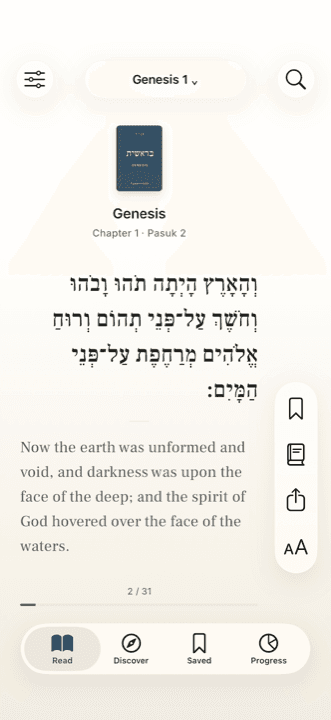
Whom does the king delight to honor (Verses 4–9)
4וַיֹּאמֶר הַמֶּלֶךְ מִי בֶחָצֵר וְהָמָן בָּא לַחֲצַר בֵּית־הַמֶּלֶךְ הַחִיצוֹנָה לֵאמֹר לַמֶּלֶךְ לִתְלוֹת אֶת־מָרְדֳּכַי עַל־הָעֵץ אֲשֶׁר־הֵכִין לוֹ׃
And the king said: ‘Who is in the court?’, Now Haman was come into the outer court of the king’s house, to speak unto the king to hang Mordecai on the gallows that he had prepared for him.
5וַיֹּאמְרוּ נַעֲרֵי הַמֶּלֶךְ אֵלָיו הִנֵּה הָמָן עֹמֵד בֶּחָצֵר וַיֹּאמֶר הַמֶּלֶךְ יָבוֹא׃
And the king’s servants said unto him: ‘Behold, Haman standeth in the court.’ And the king said: ‘Let him come in.’
6וַיָּבוֹא הָמָן וַיֹּאמֶר לוֹ הַמֶּלֶךְ מַה־לַעֲשׂוֹת בָּאִישׁ אֲשֶׁר הַמֶּלֶךְ חָפֵץ בִּיקָרוֹ וַיֹּאמֶר הָמָן בְּלִבּוֹ לְמִי יַחְפֹּץ הַמֶּלֶךְ לַעֲשׂוֹת יְקָר יוֹתֵר מִמֶּנִּי׃
So Haman came in. And the king said unto him: ‘What shall be done unto the man whom the king delighteth to honour?’, Now Haman said in his heart: ‘Whom would the king delight to honour besides myself?’
7וַיֹּאמֶר הָמָן אֶל־הַמֶּלֶךְ אִישׁ אֲשֶׁר הַמֶּלֶךְ חָפֵץ בִּיקָרוֹ׃
And Haman said unto the king: ‘For the man whom the king delighteth to honour,
8יָבִיאוּ לְבוּשׁ מַלְכוּת אֲשֶׁר לָבַשׁ־בּוֹ הַמֶּלֶךְ וְסוּס אֲשֶׁר רָכַב עָלָיו הַמֶּלֶךְ וַאֲשֶׁר נִתַּן כֶּתֶר מַלְכוּת בְּרֹאשׁוֹ׃
let royal apparel be brought which the king useth to wear, and the horse that the king rideth upon, and on whose head a crown royal is set;
9וְנָתוֹן הַלְּבוּשׁ וְהַסּוּס עַל־יַד־אִישׁ מִשָּׂרֵי הַמֶּלֶךְ הַפַּרְתְּמִים וְהִלְבִּישׁוּ אֶת־הָאִישׁ אֲשֶׁר הַמֶּלֶךְ חָפֵץ בִּיקָרוֹ וְהִרְכִּיבֻהוּ עַל־הַסּוּס בִּרְחוֹב הָעִיר וְקָרְאוּ לְפָנָיו כָּכָה יֵעָשֶׂה לָאִישׁ אֲשֶׁר הַמֶּלֶךְ חָפֵץ בִּיקָרוֹ׃
and let the apparel and the horse be delivered to the hand of one of the king’s most noble princes, that they may array the man therewith whom the king delighteth to honour, and cause him to ride on horseback through the street of the city, and proclaim before him: Thus shall it be done to the man whom the king delighteth to honour.’
Haman leads Mordechai through the city (Verses 10–11)
10וַיֹּאמֶר הַמֶּלֶךְ לְהָמָן מַהֵר קַח אֶת־הַלְּבוּשׁ וְאֶת־הַסּוּס כַּאֲשֶׁר דִּבַּרְתָּ וַעֲשֵׂה־כֵן לְמָרְדֳּכַי הַיְּהוּדִי הַיּוֹשֵׁב בְּשַׁעַר הַמֶּלֶךְ אַל־תַּפֵּל דָּבָר מִכֹּל אֲשֶׁר דִּבַּרְתָּ׃
Then the king said to Haman: ‘Make haste, and take the apparel and the horse, as thou hast said, and do even so to Mordecai the Jew, that sitteth at the king’s gate; let nothing fail of all that thou hast spoken.’
11וַיִּקַּח הָמָן אֶת־הַלְּבוּשׁ וְאֶת־הַסּוּס וַיַּלְבֵּשׁ אֶת־מָרְדֳּכָי וַיַּרְכִּיבֵהוּ בִּרְחוֹב הָעִיר וַיִּקְרָא לְפָנָיו כָּכָה יֵעָשֶׂה לָאִישׁ אֲשֶׁר הַמֶּלֶךְ חָפֵץ בִּיקָרוֹ׃
Then took Haman the apparel and the horse, and arrayed Mordecai, and caused him to ride through the street of the city, and proclaimed before him: ‘Thus shall it be done unto the man whom the king delighteth to honour.’
Haman begins to fall (Verses 12–14)
12וַיָּשָׁב מָרְדֳּכַי אֶל־שַׁעַר הַמֶּלֶךְ וְהָמָן נִדְחַף אֶל־בֵּיתוֹ אָבֵל וַחֲפוּי רֹאשׁ׃
And Mordecai returned to the king’s gate. But Haman hasted to his house, mourning and having his head covered.
13וַיְסַפֵּר הָמָן לְזֶרֶשׁ אִשְׁתּוֹ וּלְכָל־אֹהֲבָיו אֵת כָּל־אֲשֶׁר קָרָהוּ וַיֹּאמְרוּ לוֹ חֲכָמָיו וְזֶרֶשׁ אִשְׁתּוֹ אִם מִזֶּרַע הַיְּהוּדִים מָרְדֳּכַי אֲשֶׁר הַחִלּוֹתָ לִנְפֹּל לְפָנָיו לֹא־תוּכַל לוֹ כִּי־נָפוֹל תִּפּוֹל לְפָנָיו׃
And Haman recounted unto Zeresh his wife and all his friends every thing that had befallen him. Then said his wise men and Zeresh his wife unto him: ‘If Mordecai, before whom thou hast begun to fall, be of the seed of the Jews, thou shalt not prevail against him, but shalt surely fall before him.’
14עוֹדָם מְדַבְּרִים עִמּוֹ וְסָרִיסֵי הַמֶּלֶךְ הִגִּיעוּ וַיַּבְהִלוּ לְהָבִיא אֶת־הָמָן אֶל־הַמִּשְׁתֶּה אֲשֶׁר־עָשְׂתָה אֶסְתֵּר׃
While they were yet talking with him, came the king’s chamberlains, and hastened to bring Haman unto the banquet that Esther had prepared.
Worth noticing
Verse 1 is the hinge of the whole story: everything turns on a king's insomnia. The Talmud reads it with a double meaning, as if it were also the sleep of the King of the world that was disturbed. In many communities the reader raises his voice at these words when the Megillah is read on Purim.
Related reading
- Can you learn Biblical Hebrew just by reading the Torah side by side?
- What is the Tanakh? Torah, Nevi'im and Ketuvim explained