 Torah Feed
Deuteronomy 26: First-fruits and the wandering Aramean
Two declarations close the laws: the farmer's words over his first-fruits, and his words after giving the tithe. Each farmer brings the first of his fruit in a basket to the chosen place and recites the history of his people: a wandering Aramean was my father, who went down to Egypt; the Egyptians enslaved us, we cried out, and God brought us out with a mighty hand and gave us this land. Then he rejoices with the Levite and the stranger. In the third year, after giving the tithe to the Levite, the stranger, the orphan and the widow, he declares that he has done all God commanded and asks God to bless Israel. God and Israel bind themselves to each other.
Updated November 14, 2026
In this chapter
- Verses 1–4The basket of first-fruits
- Verses 5–11A wandering Aramean was my father
- Verses 12–15The declaration of the tithe
- Verses 16–19God and Israel bound together
Deuteronomy 26 in Hebrew and English
The Hebrew with full nikud beside the JPS 1917 English, both in the public domain. The summary, headings and notes on this page are Torah Feed's own.
The basket of first-fruits (Verses 1–4)
1וְהָיָה כִּי־תָבוֹא אֶל־הָאָרֶץ אֲשֶׁר יְהוָה אֱלֹהֶיךָ נֹתֵן לְךָ נַחֲלָה וִירִשְׁתָּהּ וְיָשַׁבְתָּ בָּהּ׃
And it shall be, when thou art come in unto the land which the LORD thy God giveth thee for an inheritance, and dost possess it, and dwell therein;
Rashi on verse 1
והיה כי תבוא … וירשתה וישבת בה AND IT SHALL BE, WHEN YOU COME IN [UNTO THE LAND …] AND POSSESS IT AND SETTLE THEREIN: This tells us that they (the Israelites) were not under the obligation to bring first fruits until they had conquered the land and divided it (cf. Kiddushin 37b).
Rashi has 40 more comments on Deuteronomy 26. Torah Feed shows them beside each verse, in Hebrew and English.
Get the app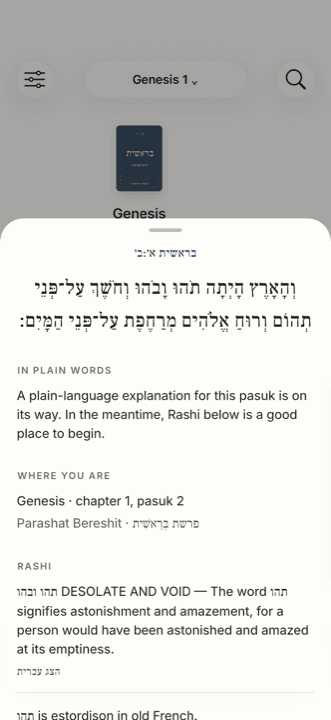
2וְלָקַחְתָּ מֵרֵאשִׁית כָּל־פְּרִי הָאֲדָמָה אֲשֶׁר תָּבִיא מֵאַרְצְךָ אֲשֶׁר יְהוָה אֱלֹהֶיךָ נֹתֵן לָךְ וְשַׂמְתָּ בַטֶּנֶא וְהָלַכְתָּ אֶל־הַמָּקוֹם אֲשֶׁר יִבְחַר יְהוָה אֱלֹהֶיךָ לְשַׁכֵּן שְׁמוֹ שָׁם׃
that thou shalt take of the first of all the fruit of the ground, which thou shalt bring in from thy land that the LORD thy God giveth thee; and thou shalt put it in a basket and shalt go unto the place which the LORD thy God shall choose to cause His name to dwell there.
3וּבָאתָ אֶל־הַכֹּהֵן אֲשֶׁר יִהְיֶה בַּיָּמִים הָהֵם וְאָמַרְתָּ אֵלָיו הִגַּדְתִּי הַיּוֹם לַיהוָה אֱלֹהֶיךָ כִּי־בָאתִי אֶל־הָאָרֶץ אֲשֶׁר נִשְׁבַּע יְהוָה לַאֲבֹתֵינוּ לָתֶת לָנוּ׃
And thou shalt come unto the priest that shall be in those days, and say unto him: ‘I profess this day unto the LORD thy God, that I am come unto the land which the LORD swore unto our fathers to give us.’
4וְלָקַח הַכֹּהֵן הַטֶּנֶא מִיָּדֶךָ וְהִנִּיחוֹ לִפְנֵי מִזְבַּח יְהוָה אֱלֹהֶיךָ׃
And the priest shall take the basket out of thy hand, and set it down before the altar of the LORD thy God.
A wandering Aramean was my father (Verses 5–11)
Key verse
5וְעָנִיתָ וְאָמַרְתָּ לִפְנֵי יְהוָה אֱלֹהֶיךָ אֲרַמִּי אֹבֵד אָבִי וַיֵּרֶד מִצְרַיְמָה וַיָּגָר שָׁם בִּמְתֵי מְעָט וַיְהִי־שָׁם לְגוֹי גָּדוֹל עָצוּם וָרָב׃
And thou shalt speak and say before the LORD thy God: ‘A wandering Aramean was my father, and he went down into Egypt, and sojourned there, few in number; and he became there a nation, great, mighty, and populous.
6וַיָּרֵעוּ אֹתָנוּ הַמִּצְרִים וַיְעַנּוּנוּ וַיִּתְּנוּ עָלֵינוּ עֲבֹדָה קָשָׁה׃
And the Egyptians dealt ill with us, and afflicted us, and laid upon us hard bondage.
7וַנִּצְעַק אֶל־יְהוָה אֱלֹהֵי אֲבֹתֵינוּ וַיִּשְׁמַע יְהוָה אֶת־קֹלֵנוּ וַיַּרְא אֶת־עָנְיֵנוּ וְאֶת־עֲמָלֵנוּ וְאֶת־לַחֲצֵנוּ׃
And we cried unto the LORD, the God of our fathers, and the LORD heard our voice, and saw our affliction, and our toil, and our oppression.
8וַיּוֹצִאֵנוּ יְהוָה מִמִּצְרַיִם בְּיָד חֲזָקָה וּבִזְרֹעַ נְטוּיָה וּבְמֹרָא גָּדֹל וּבְאֹתוֹת וּבְמֹפְתִים׃
And the LORD brought us forth out of Egypt with a mighty hand, and with an outstretched arm, and with great terribleness, and with signs, and with wonders.
9וַיְבִאֵנוּ אֶל־הַמָּקוֹם הַזֶּה וַיִּתֶּן־לָנוּ אֶת־הָאָרֶץ הַזֹּאת אֶרֶץ זָבַת חָלָב וּדְבָשׁ׃
And He hath brought us into this place, and hath given us this land, a land flowing with milk and honey.
10וְעַתָּה הִנֵּה הֵבֵאתִי אֶת־רֵאשִׁית פְּרִי הָאֲדָמָה אֲשֶׁר־נָתַתָּה לִּי יְהוָה וְהִנַּחְתּוֹ לִפְנֵי יְהוָה אֱלֹהֶיךָ וְהִשְׁתַּחֲוִיתָ לִפְנֵי יְהוָה אֱלֹהֶיךָ׃
And now, behold, I have brought the first of the fruit of the land, which Thou, O LORD, hast given me.’ And thou shalt set it down before the LORD thy God, and worship before the LORD thy God.
11וְשָׂמַחְתָּ בְכָל־הַטּוֹב אֲשֶׁר נָתַן־לְךָ יְהוָה אֱלֹהֶיךָ וּלְבֵיתֶךָ אַתָּה וְהַלֵּוִי וְהַגֵּר אֲשֶׁר בְּקִרְבֶּךָ׃
And thou shalt rejoice in all the good which the LORD thy God hath given unto thee, and unto thy house, thou, and the Levite, and the stranger that is in the midst of thee.
The declaration of the tithe (Verses 12–15)
12כִּי תְכַלֶּה לַעְשֵׂר אֶת־כָּל־מַעְשַׂר תְּבוּאָתְךָ בַּשָּׁנָה הַשְּׁלִישִׁת שְׁנַת הַמַּעֲשֵׂר וְנָתַתָּה לַלֵּוִי לַגֵּר לַיָּתוֹם וְלָאַלְמָנָה וְאָכְלוּ בִשְׁעָרֶיךָ וְשָׂבֵעוּ׃
When thou hast made an end of tithing all the tithe of thine increase in the third year, which is the year of tithing, and hast given it unto the Levite, to the stranger, to the fatherless, and to the widow, that they may eat within thy gates, and be satisfied,
13וְאָמַרְתָּ לִפְנֵי יְהוָה אֱלֹהֶיךָ בִּעַרְתִּי הַקֹּדֶשׁ מִן־הַבַּיִת וְגַם נְתַתִּיו לַלֵּוִי וְלַגֵּר לַיָּתוֹם וְלָאַלְמָנָה כְּכָל־מִצְוָתְךָ אֲשֶׁר צִוִּיתָנִי לֹא־עָבַרְתִּי מִמִּצְוֺתֶיךָ וְלֹא שָׁכָחְתִּי׃
then thou shalt say before the LORD thy God: ‘I have put away the hallowed things out of my house, and also have given them unto the Levite, and unto the stranger, to the fatherless, and to the widow, according to all Thy commandment which Thou hast commanded me; I have not transgressed any of Thy commandments, neither have I forgotten them.
14לֹא־אָכַלְתִּי בְאֹנִי מִמֶּנּוּ וְלֹא־בִעַרְתִּי מִמֶּנּוּ בְּטָמֵא וְלֹא־נָתַתִּי מִמֶּנּוּ לְמֵת שָׁמַעְתִּי בְּקוֹל יְהוָה אֱלֹהָי עָשִׂיתִי כְּכֹל אֲשֶׁר צִוִּיתָנִי׃
I have not eaten thereof in my mourning, neither have I put away thereof, being unclean, nor given thereof for the dead; I have hearkened to the voice of the LORD my God, I have done according to all that Thou hast commanded me.
15הַשְׁקִיפָה מִמְּעוֹן קָדְשְׁךָ מִן־הַשָּׁמַיִם וּבָרֵךְ אֶת־עַמְּךָ אֶת־יִשְׂרָאֵל וְאֵת הָאֲדָמָה אֲשֶׁר נָתַתָּה לָנוּ כַּאֲשֶׁר נִשְׁבַּעְתָּ לַאֲבֹתֵינוּ אֶרֶץ זָבַת חָלָב וּדְבָשׁ׃
Look forth from Thy holy habitation, from heaven, and bless Thy people Israel, and the land which Thou hast given us, as Thou didst swear unto our fathers, a land flowing with milk and honey.’
God and Israel bound together (Verses 16–19)
16הַיּוֹם הַזֶּה יְהוָה אֱלֹהֶיךָ מְצַוְּךָ לַעֲשׂוֹת אֶת־הַחֻקִּים הָאֵלֶּה וְאֶת־הַמִּשְׁפָּטִים וְשָׁמַרְתָּ וְעָשִׂיתָ אוֹתָם בְּכָל־לְבָבְךָ וּבְכָל־נַפְשֶׁךָ׃
This day the LORD thy God commandeth thee to do these statutes and ordinances; thou shalt therefore observe and do them with all thy heart, and with all thy soul.
17אֶת־יְהוָה הֶאֱמַרְתָּ הַיּוֹם לִהְיוֹת לְךָ לֵאלֹהִים וְלָלֶכֶת בִּדְרָכָיו וְלִשְׁמֹר חֻקָּיו וּמִצְוֺתָיו וּמִשְׁפָּטָיו וְלִשְׁמֹעַ בְּקֹלוֹ׃
Thou hast avouched the LORD this day to be thy God, and that thou wouldest walk in His ways, and keep His statutes, and His commandments, and His ordinances, and hearken unto His voice.
18וַיהוָה הֶאֱמִירְךָ הַיּוֹם לִהְיוֹת לוֹ לְעַם סְגֻלָּה כַּאֲשֶׁר דִּבֶּר־לָךְ וְלִשְׁמֹר כָּל־מִצְוֺתָיו׃
And the LORD hath avouched thee this day to be His own treasure, as He hath promised thee, and that thou shouldest keep all His commandments;
19וּלְתִתְּךָ עֶלְיוֹן עַל כָּל־הַגּוֹיִם אֲשֶׁר עָשָׂה לִתְהִלָּה וּלְשֵׁם וּלְתִפְאָרֶת וְלִהְיֹתְךָ עַם־קָדֹשׁ לַיהוָה אֱלֹהֶיךָ כַּאֲשֶׁר דִּבֵּר׃
and to make thee high above all nations that He hath made, in praise, and in name, and in glory; and that thou mayest be a holy people unto the LORD thy God, as He hath spoken.
Worth noticing
Verses 5 to 8 are the heart of the Passover Haggadah, which explains them phrase by phrase. The Haggadah, like Rashi, reads the opening words not as "A wandering Aramean was my father" but as an Aramean, Laban, who sought to destroy my father Jacob.
Related reading
- Rashi's commentary on the Torah in English
- Shnayim mikra ve'echad targum: a practical guide for a busy week
- How to read the Torah in a year
- Can you learn Biblical Hebrew just by reading the Torah side by side?