 Torah Feed
Deuteronomy 17: The high court and the king
This chapter deals with justice and authority: witnesses, the high court and the king. Anyone found serving other gods is to be judged only after careful inquiry and on the word of two or three witnesses, never one. Cases too hard for local judges go up to the priests and the judge at the place God will choose, and their ruling must be followed, turning neither right nor left. If the people want a king, he must be one of their brothers, chosen by God; he may not amass horses, wives, or silver and gold, and he must write a copy of this Torah and read it all his life, so that his heart is not lifted above his brothers.
Updated November 14, 2026
In this chapter
- Verse 1No blemished offering
- Verses 2–7Two or three witnesses
- Verses 8–13The court at the chosen place
- Verses 14–20The king and his limits
Deuteronomy 17 in Hebrew and English
The Hebrew with full nikud beside the JPS 1917 English, both in the public domain. The summary, headings and notes on this page are Torah Feed's own.
No blemished offering (Verse 1)
1לֹא־תִזְבַּח לַיהוָה אֱלֹהֶיךָ שׁוֹר וָשֶׂה אֲשֶׁר יִהְיֶה בוֹ מוּם כֹּל דָּבָר רָע כִּי תוֹעֲבַת יְהוָה אֱלֹהֶיךָ הוּא׃
Thou shalt not sacrifice unto the LORD thy God an ox, or a sheep, wherein is a blemish, even any evil thing; for that is an abomination unto the LORD thy God.
Rashi on verse 1
לא תזבח... כל דבר רע THOU SHALT NOT SACRIFICE [UNTO THE LORD THY GOD ANY OF THE HERD OR FLOCK WHEREIN IS BLEMISH OR] ANY EVIL THING: This is an admonition to one who would make sacrifices abominable through an evil utterance (דבר רע). (See Rashi on Leviticus 7:18; cf. Sifrei Devarim 147:5). Besides this, other Halachas have been derived from it in the Treatise on “The slaughtering of Sacrifices” (Zevachim 36).
Rashi has 24 more comments on Deuteronomy 17. Torah Feed shows them beside each verse, in Hebrew and English.
Get the app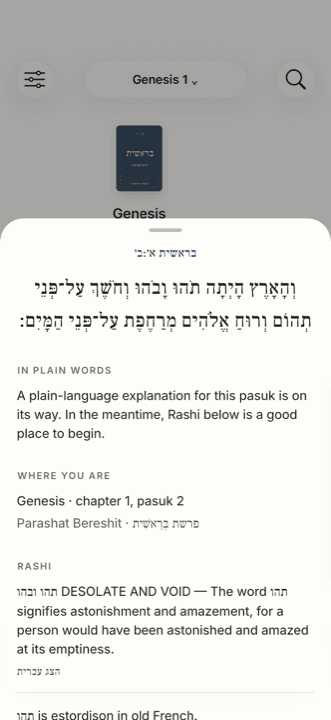
Two or three witnesses (Verses 2–7)
2כִּי־יִמָּצֵא בְקִרְבְּךָ בְּאַחַד שְׁעָרֶיךָ אֲשֶׁר־יְהוָה אֱלֹהֶיךָ נֹתֵן לָךְ אִישׁ אוֹ־אִשָּׁה אֲשֶׁר יַעֲשֶׂה אֶת־הָרַע בְּעֵינֵי יְהוָה־אֱלֹהֶיךָ לַעֲבֹר בְּרִיתוֹ׃
If there be found in the midst of thee, within any of thy gates which the LORD thy God giveth thee, man or woman, that doeth that which is evil in the sight of the LORD thy God, in transgressing His covenant,
3וַיֵּלֶךְ וַיַּעֲבֹד אֱלֹהִים אֲחֵרִים וַיִּשְׁתַּחוּ לָהֶם וְלַשֶּׁמֶשׁ אוֹ לַיָּרֵחַ אוֹ לְכָל־צְבָא הַשָּׁמַיִם אֲשֶׁר לֹא־צִוִּיתִי׃
and hath gone and served other gods, and worshipped them, or the sun, or the moon, or any of the host of heaven, which I have commanded not;
4וְהֻגַּד־לְךָ וְשָׁמָעְתָּ וְדָרַשְׁתָּ הֵיטֵב וְהִנֵּה אֱמֶת נָכוֹן הַדָּבָר נֶעֶשְׂתָה הַתּוֹעֵבָה הַזֹּאת בְּיִשְׂרָאֵל׃
and it be told thee, and thou hear it, then shalt thou inquire diligently, and, behold, if it be true, and the thing certain, that such abomination is wrought in Israel;
5וְהוֹצֵאתָ אֶת־הָאִישׁ הַהוּא אוֹ אֶת־הָאִשָּׁה הַהִוא אֲשֶׁר עָשׂוּ אֶת־הַדָּבָר הָרָע הַזֶּה אֶל־שְׁעָרֶיךָ אֶת־הָאִישׁ אוֹ אֶת־הָאִשָּׁה וּסְקַלְתָּם בָּאֲבָנִים וָמֵתוּ׃
then shalt thou bring forth that man or that woman, who have done this evil thing, unto thy gates, even the man or the woman; and thou shalt stone them with stones, that they die.
6עַל־פִּי שְׁנַיִם עֵדִים אוֹ שְׁלֹשָׁה עֵדִים יוּמַת הַמֵּת לֹא יוּמַת עַל־פִּי עֵד אֶחָד׃
At the mouth of two witnesses, or three witnesses, shall he that is to die be put to death; at the mouth of one witness he shall not be put to death.
7יַד הָעֵדִים תִּהְיֶה־בּוֹ בָרִאשֹׁנָה לַהֲמִיתוֹ וְיַד כָּל־הָעָם בָּאַחֲרֹנָה וּבִעַרְתָּ הָרָע מִקִּרְבֶּךָ׃
The hand of the witnesses shall be first upon him to put him to death, and afterward the hand of all the people. So thou shalt put away the evil from the midst of thee.
The court at the chosen place (Verses 8–13)
8כִּי יִפָּלֵא מִמְּךָ דָבָר לַמִּשְׁפָּט בֵּין־דָּם לְדָם בֵּין־דִּין לְדִין וּבֵין נֶגַע לָנֶגַע דִּבְרֵי רִיבֹת בִּשְׁעָרֶיךָ וְקַמְתָּ וְעָלִיתָ אֶל־הַמָּקוֹם אֲשֶׁר יִבְחַר יְהוָה אֱלֹהֶיךָ בּוֹ׃
If there arise a matter too hard for thee in judgment, between blood and blood, between plea and plea, and between stroke and stroke, even matters of controversy within thy gates; then shalt thou arise, and get thee up unto the place which the LORD thy God shall choose.
9וּבָאתָ אֶל־הַכֹּהֲנִים הַלְוִיִּם וְאֶל־הַשֹּׁפֵט אֲשֶׁר יִהְיֶה בַּיָּמִים הָהֵם וְדָרַשְׁתָּ וְהִגִּידוּ לְךָ אֵת דְּבַר הַמִּשְׁפָּט׃
And thou shall come unto the priests the Levites, and unto the judge that shall be in those days; and thou shalt inquire; and they shall declare unto thee the sentence of judgment.
10וְעָשִׂיתָ עַל־פִּי הַדָּבָר אֲשֶׁר יַגִּידוּ לְךָ מִן־הַמָּקוֹם הַהוּא אֲשֶׁר יִבְחַר יְהוָה וְשָׁמַרְתָּ לַעֲשׂוֹת כְּכֹל אֲשֶׁר יוֹרוּךָ׃
And thou shalt do according to the tenor of the sentence, which they shall declare unto thee from that place which the LORD shall choose; and thou shalt observe to do according to all that they shall teach thee.
11עַל־פִּי הַתּוֹרָה אֲשֶׁר יוֹרוּךָ וְעַל־הַמִּשְׁפָּט אֲשֶׁר־יֹאמְרוּ לְךָ תַּעֲשֶׂה לֹא תָסוּר מִן־הַדָּבָר אֲשֶׁר־יַגִּידוּ לְךָ יָמִין וּשְׂמֹאל׃
According to the law which they shall teach thee, and according to the judgment which they shall tell thee, thou shalt do; thou shalt not turn aside from the sentence which they shall declare unto thee, to the right hand, nor to the left.
12וְהָאִישׁ אֲשֶׁר־יַעֲשֶׂה בְזָדוֹן לְבִלְתִּי שְׁמֹעַ אֶל־הַכֹּהֵן הָעֹמֵד לְשָׁרֶת שָׁם אֶת־יְהוָה אֱלֹהֶיךָ אוֹ אֶל־הַשֹּׁפֵט וּמֵת הָאִישׁ הַהוּא וּבִעַרְתָּ הָרָע מִיִּשְׂרָאֵל׃
And the man that doeth presumptuously, in not hearkening unto the priest that standeth to minister there before the LORD thy God, or unto the judge, even that man shall die; and thou shalt exterminate the evil from Israel.
13וְכָל־הָעָם יִשְׁמְעוּ וְיִרָאוּ וְלֹא יְזִידוּן עוֹד׃
And all the people shall hear, and fear, and do no more presumptuously.
The king and his limits (Verses 14–20)
14כִּי־תָבֹא אֶל־הָאָרֶץ אֲשֶׁר יְהוָה אֱלֹהֶיךָ נֹתֵן לָךְ וִירִשְׁתָּהּ וְיָשַׁבְתָּה בָּהּ וְאָמַרְתָּ אָשִׂימָה עָלַי מֶלֶךְ כְּכָל־הַגּוֹיִם אֲשֶׁר סְבִיבֹתָי׃
When thou art come unto the land which the LORD thy God giveth thee, and shalt possess it, and shalt dwell therein; and shalt say: ‘I will set a king over me, like all the nations that are round about me’;
15שׂוֹם תָּשִׂים עָלֶיךָ מֶלֶךְ אֲשֶׁר יִבְחַר יְהוָה אֱלֹהֶיךָ בּוֹ מִקֶּרֶב אַחֶיךָ תָּשִׂים עָלֶיךָ מֶלֶךְ לֹא תוּכַל לָתֵת עָלֶיךָ אִישׁ נָכְרִי אֲשֶׁר לֹא־אָחִיךָ הוּא׃
thou shalt in any wise set him king over thee, whom the LORD thy God shall choose; one from among thy brethren shalt thou set king over thee; thou mayest not put a foreigner over thee, who is not thy brother.
16רַק לֹא־יַרְבֶּה־לּוֹ סוּסִים וְלֹא־יָשִׁיב אֶת־הָעָם מִצְרַיְמָה לְמַעַן הַרְבּוֹת סוּס וַיהוָה אָמַר לָכֶם לֹא תֹסִפוּן לָשׁוּב בַּדֶּרֶךְ הַזֶּה עוֹד׃
Only he shall not multiply horses to himself, nor cause the people to return to Egypt, to the end that he should multiply horses; forasmuch as the LORD hath said unto you: ‘Ye shall henceforth return no more that way.’
17וְלֹא יַרְבֶּה־לּוֹ נָשִׁים וְלֹא יָסוּר לְבָבוֹ וְכֶסֶף וְזָהָב לֹא יַרְבֶּה־לּוֹ מְאֹד׃
Neither shall he multiply wives to himself, that his heart turn not away; neither shall he greatly multiply to himself silver and gold.
Key verse
18וְהָיָה כְשִׁבְתּוֹ עַל כִּסֵּא מַמְלַכְתּוֹ וְכָתַב לוֹ אֶת־מִשְׁנֵה הַתּוֹרָה הַזֹּאת עַל־סֵפֶר מִלִּפְנֵי הַכֹּהֲנִים הַלְוִיִּם׃
And it shall be, when he sitteth upon the throne of his kingdom, that he shall write him a copy of this law in a book, out of that which is before the priests the Levites.
19וְהָיְתָה עִמּוֹ וְקָרָא בוֹ כָּל־יְמֵי חַיָּיו לְמַעַן יִלְמַד לְיִרְאָה אֶת־יְהוָה אֱלֹהָיו לִשְׁמֹר אֶת־כָּל־דִּבְרֵי הַתּוֹרָה הַזֹּאת וְאֶת־הַחֻקִּים הָאֵלֶּה לַעֲשֹׂתָם׃
And it shall be with him, and he shall read therein all the days of his life; that he may learn to fear the LORD his God, to keep all the words of this law and these statutes, to do them;
20לְבִלְתִּי רוּם־לְבָבוֹ מֵאֶחָיו וּלְבִלְתִּי סוּר מִן־הַמִּצְוָה יָמִין וּשְׂמֹאול לְמַעַן יַאֲרִיךְ יָמִים עַל־מַמְלַכְתּוֹ הוּא וּבָנָיו בְּקֶרֶב יִשְׂרָאֵל׃
that his heart be not lifted up above his brethren, and that he turn not aside from the commandment, to the right hand, or to the left; to the end that he may prolong his days in his kingdom, he and his children, in the midst of Israel.
Worth noticing
The court's ruling must be followed "to the right hand, nor to the left": Rashi teaches that this holds even if it seems to call right left and left right. The three limits on the king, horses, wives, and silver and gold, read like a portrait in reverse of Solomon, who later broke all three.
Related reading
- Rashi's commentary on the Torah in English
- Shnayim mikra ve'echad targum: a practical guide for a busy week
- How to read the Torah in a year
- Can you learn Biblical Hebrew just by reading the Torah side by side?